Technical SEO for Local Businesses
In the ever-evolving landscape of digital marketing, Technical SEO has become a cornerstone for local businesses striving to enhance their online visibility and drive foot traffic to their physical locations. As the world increasingly leans on search engines for local services and products, businesses must prioritize a solid Technical SEO strategy that seamlessly integrates with their overall marketing efforts.
This begins with understanding how search engines operate, particularly how they crawl, index, and rank local search results. For local businesses, optimizing for location-based queries is paramount; thus, it is essential to ensure that all technical elements are impeccably aligned for optimal performance.
One of the foundational aspects of Technical SEO is ensuring that a website is thoroughly crawlable and indexable by search engines. This involves implementing a clear and logical site structure, employing a well-designed XML sitemap, and creating a robust robots.txt file that effectively communicates to search engines which pages to prioritize for crawling.
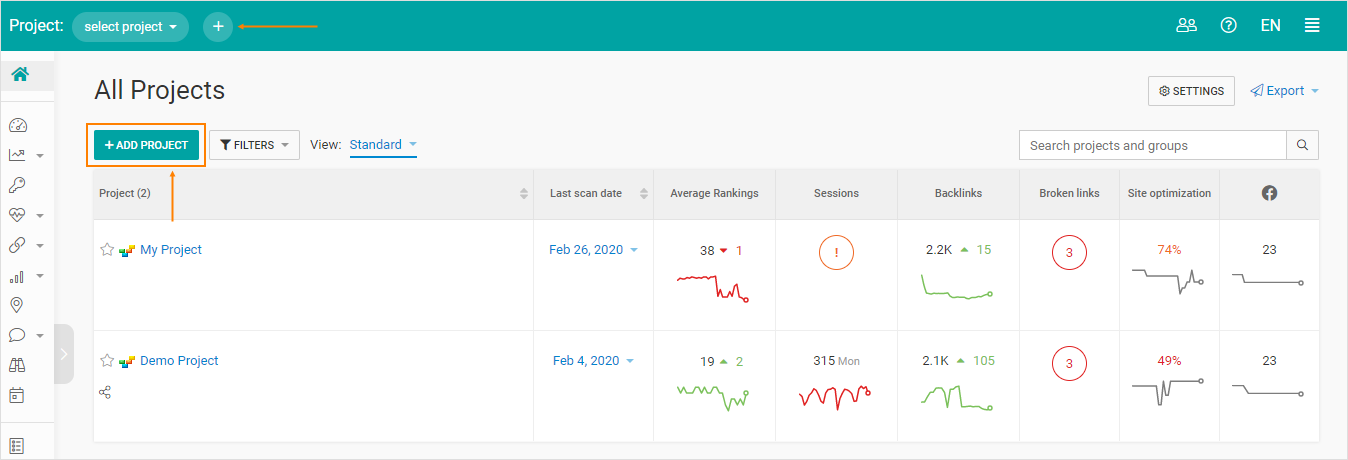
Local businesses should utilize the CGM SEO Tool to conduct a thorough competitor analysis, allowing them to evaluate how rivals are structuring their sites and the technical attributes they might be benefiting from, thereby revealing opportunities for improvement. Additionally, page load speed has become a significant ranking factor, as consumers expecting immediate information are less tolerant of sluggish websites.
Optimizing images, minifying CSS and JavaScript, leveraging browser caching, and utilizing Content Delivery Networks (CDNs) can collectively boost site speed, which is crucial for user experience and SEO performance alike. Another critical element of Technical SEO is mobile optimization, particularly for local businesses whose customers are often searching on-the-go.
Implementing responsive design ensures that a website functions seamlessly across devices, maintaining usability and accessibility regardless of screen size. In combination with mobile optimization, ensuring that the site utilizes HTTPS is essential, not only for securing user data but also because Google rewards secure sites with higher rankings.
The integration of Schema Markup is another technical refinement that local businesses cannot overlook; implementing LocalBusiness Schema helps search engines better understand the context of the business, highlighting essential details such as address, phone number, business hours, and service area, which contributes to improved visibility in local search results and rich snippets. Moreover, optimizing for local keywords is vital, and this is where using the CGM SEO Tool for insightful keyword research becomes invaluable, allowing businesses to discover terms that potential customers frequently use and to weave these terms naturally into their on-page content, including title tags, meta descriptions, and header tags.
Creating localized content that addresses community-specific needs or questions can further enhance relevancy and authority. Local businesses must also focus on their Google Business Profile, ensuring that it is fully optimized; this encompasses accurately filling out all necessary fields, choosing relevant categories, and regularly updating the profile with fresh content, responding to customer reviews, and utilizing photos, all of which signal to search engines the business's active engagement within the local community.
Proper NAP (Name, Address, Phone Number) consistency across all online platforms cannot be overstated; discrepancies can confuse customers and search engines alike and can severely hinder a local business's visibility on local search results. Therefore, conducting audits to verify the consistency of NAP across directories, review sites, and social platforms is a critical task in the Technical SEO process.
Additionally, the importance of link building, particularly through local directories and community-oriented websites, should not be underestimated, as backlinks from reputable local sources enhance domain authority and signal credibility to search engines. Monitoring and fixing any crawling errors through tools like Google Search Console allows businesses to maintain their site's health, addressing common issues such as broken links, 404 errors, and redirect chains which can detract from user experience and SEO performance.
As the local search landscape becomes increasingly competitive, integrating advanced Technical SEO strategies tailored specifically for local businesses can significantly enhance visibility and engagement. Fostering this technical foundation, combined with ongoing optimization efforts, allows local businesses not only to rise in search rankings but to establish a significant online presence that translates into tangible customer engagement and sustained growth.
In conclusion, a multifaceted approach to Technical SEO-emphasizing crawlability, speed, mobile optimization, secure connections, Schema Markup, local keyword integration, and local business profile optimization-combined with consistent NAP information and robust link building strategies is indispensable for local businesses aiming to thrive in today's digital economy. Utilizing tools like the CGM SEO Tool ensures that these strategies are based on thorough research and careful analysis, allowing businesses to maintain a competitive edge and build their topical authority effectively.
Ultimately, a strong Technical SEO framework will serve as the backbone of a local business's online strategy, enabling it to resonate not just within its immediate geographical area, but also in the wider digital marketplace, leading to sustained visibility and success.