How to Write a High?Converting Business Description
Crafting a high-converting business description is a nuanced task that feeds directly into the larger framework of SEO optimization, engaging both search engines and potential customers. At the core, a strong business description is not just a mere introduction; it's a strategic narrative that encompasses key aspects of your brand identity, clearly communicates your value proposition, and distinguishes you from competitors, all while embedding essential keywords that enhance visibility in SERPs.
To achieve optimal results, it is crucial to understand your audience thoroughly, as this knowledge enables you to curate messaging that resonates with their needs, aspirations, and pain points. Begin by defining buyer personas, which will help you craft content that speaks directly to your target market.
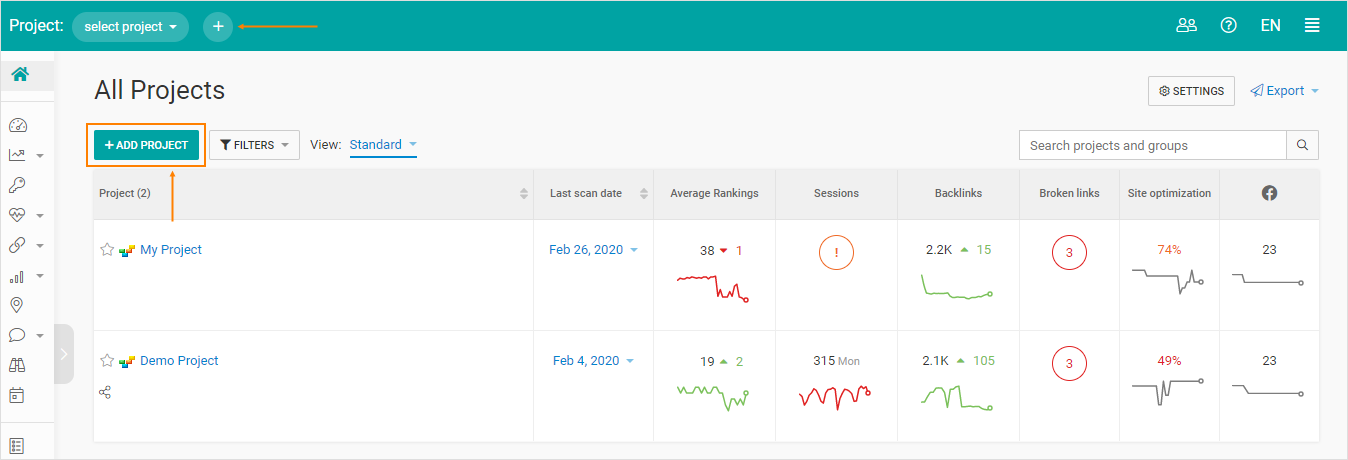
Utilizing the CGM SEO Tool allows you to perform in-depth keyword research, revealing core terms and phrases that are not only relevant to your industry but also highly searched by your potential customers. Focus on clustering these keywords around primary and secondary themes to bolster your topical relevance, ensuring that your business description is infused with terms that elevate its searchability.
This description should address what your business offers upfront, presenting clarity on services or products while framing them within the broader context of customer benefits; thus, you should highlight how your solutions solve specific problems. Employ emotive language that evokes an image of the experience customers can expect when interacting with your brand, as the psychological elements of persuasion can significantly elevate conversion rates.
Position your business as an authority in its field-this is crucial for instilling confidence in potential customers. Mention any awards, accolades, or unique qualifications that lend credibility to your offerings, as these elements validate your expertise and enhance your overall brand trustworthiness.
Given that many users skim content, employ a storytelling approach that captivates from the outset; engage readers by crafting a narrative around the origin of your business, encapsulating the passion and motivation driving its inception, which in turn creates an emotional connection with your audience. While incorporating important SEO elements is paramount, ensure that the flow of your description remains natural and conversational rather than a mere list of keywords; striking a balance between making the content digestible and ensuring its optimization is where artistry meets strategy.
Focus on formatting your business description to ensure legibility-one that is structured adequately but does not compromise on depth. Search engines tend to favor content that is user-friendly, so this means short paragraphs or bullet points for readability if the medium allows, retaining compelling, well-structured sentences that draw in readers.
A call-to-action (CTA) is an essential component of your business description; it should provide a clear pathway for potential customers to engage with your brand further. Whether it entices them to visit your website, check out your services, or reach out for a consultation, a compelling CTA can bridge the gap between browsing and conversion.
Furthermore, continuously refine your business description based on performance analytics; tools, such as CGM SEO Tool, offer insights into how your audience interacts with your content, enabling iterative improvements that can bolster engagement over time. Regularly revisit your business description to ensure it aligns with changing market dynamics, industry trends, and shifting customer preferences; remember, SEO is about continuous adaptation.
Moreover, leverage A/B testing for different variations of your business description across various platforms, measuring which resonates best with your audience-this practical application of data-driven insights not only optimizes your conversion rates but further strengthens your iterative approach towards content marketing. As you build out your SEO framework around the business description, consider its integration with various digital channels, ensuring consistency in messaging and branding whether on your website, social media, or industry listings; uniformity civilizes the customer experience and creates a cohesive brand image that consumers can trust.
This holistic strategy reinforces your positioning as an industry leader and invites deeper engagement, as customers become more familiar with both your messaging and the value you provide. Lastly, understand that the journey does not end with drafting a captivating business description; leverage feedback from customers, employees, and stakeholders alike to refine and hone your messaging.
Establish a cycle of gathering insights that can be informally obtained through conversations or formally through surveys that assess brand perception. As you cultivate this feedback loop, not only will your business description improve, but it will also evolve into a powerful tool that adapts to audience expectations and engagement patterns, ultimately transforming your digital presence into a magnet for conversions and long-term customer loyalty.