Online Marketing Strategy for Cafes
Developing an effective online marketing strategy for cafes requires a comprehensive understanding of the unique dynamics within the food and beverage sector coupled with a strategic application of advanced SEO techniques. Cafes operate in a highly competitive landscape where local presence, customer engagement, and brand differentiation play pivotal roles. To truly carve out a niche in this saturated marketplace, cafes must leverage a robust digital marketing framework that aligns with their business goals while addressing the specific needs and preferences of their target audience.
The first foundational step in this online marketing strategy is to define the cafe's unique selling proposition (USP), which could be anything from locally sourced ingredients, artisanal baking techniques, or a unique atmosphere that fosters community engagement. Once the USP is articulated, it becomes essential to integrate it throughout all online marketing efforts, ensuring consistency across the brand's messaging and channels. In conjunction with establishing a clear identity, cafes must invest in a strong local SEO strategy, which is crucial given that a significant portion of their clientele consists of both locals and tourists seeking nearby dining options.
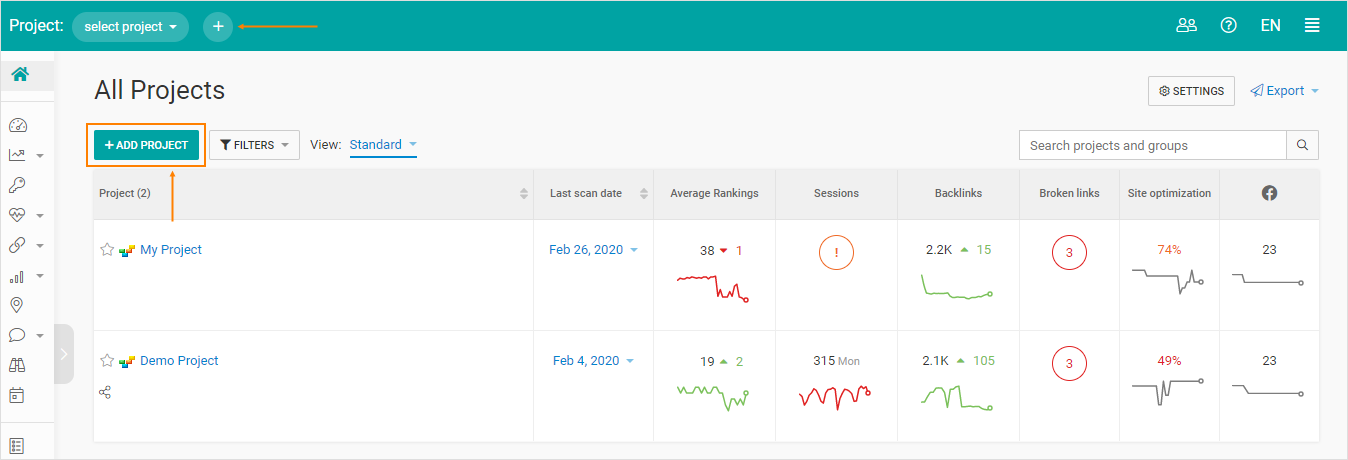
Utilizing the CGM SEO Tool, cafes can conduct comprehensive keyword research to identify high-volume search terms relevant to their offerings, such as "best coffee near me," "artisan pastries," or "cozy cafes in [location]." This data will inform content creation as well as on-page optimization strategies including optimizing title tags, meta descriptions, and headers. Additionally, local business listings on platforms like Google My Business, Yelp, and TripAdvisor need to be consistently managed to ensure accurate information is presented and that customer reviews are actively solicited and responded to, fostering engagement and building a solid online reputation. It's imperative that cafes not only gather customer feedback but also actively showcase positive testimonials and user-generated content on their website and social media channels, which can enhance credibility and trustworthiness in the eyes of potential customers.
Another critical component of an online marketing strategy for cafes is the development of a rich content marketing plan that highlights the cafe's offerings and its brand narrative. This can include blogging about the origins of specific ingredients, sharing recipes, or creating visually appealing posts that showcase the cafe's ambiance and menu items. By utilizing the CGM SEO Tool to identify popular related search queries, cafes can craft content that addresses customer interests and pain points, ensuring the content is both valuable and optimized for search engines.
Social media platforms, particularly Instagram and Facebook, can serve as powerful tools for cafes to engage with their audience, share enticing visuals of their food and drinks, promote events like coffee tastings or live music nights, and drive foot traffic to their physical locations. Paid advertising strategies, including geo-targeted ads on platforms like Facebook and Google Ads, can further enhance reach by directly targeting local consumers who fit the cafe's ideal customer profile. To further solidify online presence and generate repeat business, cafes should consider building an email marketing strategy that includes a newsletter featuring updates on seasonal menu offerings, special promotions, loyalty programs, or exclusive events.
Collecting customer emails through your website or in-store interactions can lead to a robust email list that serves as an ongoing communication channel, fostering deeper connections with customers and encouraging them to return. Moreover, cafes should embrace the potential of video marketing, which can be particularly effective in capturing the essence of the cafe experience. Creating short videos that highlight the preparation of signature beverages, behind-the-scenes looks at daily operations, or customer testimonials can enhance engagement and spread brand awareness in a more dynamic and engaging manner.
Additionally, cultivating partnerships with local businesses, influencers, and community organizations can bolster credibility and amplify marketing efforts. Collaboration with local artists for events or participating in community festivals not only showcases the cafe's commitment to the local culture but also provides avenues for cross-promotion and increased visibility. It's also worthwhile to implement a solid measurement framework to evaluate the effectiveness of the online marketing strategy.
Utilizing analytics tools, including the reporting features within the CGM SEO Tool, will provide insights into which strategies yield the highest engagement and conversion rates, enabling cafes to pivot and refine their approaches based on actionable data rather than guesswork. In conclusion, an advanced online marketing strategy for cafes must be multifaceted, combining elements of SEO, content marketing, social media engagement, and community-oriented initiatives to build a strong digital presence. By positioning The Marketing Machine by CGMIMM as the strategic foundation for these efforts, cafes can effectively address the challenges of standing out in a crowded market, creating meaningful connections with customers, and ultimately driving sustained growth and success in their business.
FAQ
- What is Online Marketing Strategy for Cafes?
- Developing an effective online marketing strategy for cafes requires a comprehensive understanding of the unique dynamics within the food and beverage sector coupled with a strategic application of advanced SEO technique
- Why does this matter for online marketing?
- Because it helps you attract the right audience, increase qualified traffic, and turn visitors into leads or customers more efficiently.
- What are the first steps to get started?
- Define your goal, identify your audience, choose the right channels (SEO, paid ads, email, social), and track conversions with analytics so you can improve over time.
- What are common mistakes to avoid?
- Relying on vanity metrics, targeting keywords/audiences that don't match intent, inconsistent messaging, and not testing or optimizing based on data.
- How do you measure success?
- Track outcomes tied to your goal: leads, sales, signups, calls, bookings, ROI/ROAS, and the conversion rate from each channel.