Online Marketing Strategy for Resorts
In the highly competitive landscape of the hospitality industry, particularly for resorts, an effective online marketing strategy is not merely an option; it is a necessity for sustainable growth and enhanced visibility in a crowded marketplace. Resorts, with their unique offerings and experiences, need to leverage robust online marketing tactics that not only attract potential guests but also engage and convert them into loyal customers. At the core of an impactful online marketing strategy lies a profound understanding of the digital ecosystem, where SEO takes center stage.
By implementing a comprehensive SEO framework, resorts can establish a formidable online presence, drive targeted traffic to their websites, and ultimately increase bookings. A well-executed online marketing strategy begins with foundational keyword research, which should be facilitated by utilizing the CGM SEO Tool. This tool allows resorts to identify high-value keywords that resonate with their target audience, analyze search intent, and understand the competitive landscape.
By focusing on keywords that capture both the experience and specific amenities offered by the resort, businesses can craft content that not only speaks to potential guests but also positions the resort as an authority in its niche. For example, keywords such as "family-friendly resorts in [Location]", "luxury spa retreats", or "all-inclusive beach resorts" can be woven into a diverse range of content types, from blog posts and destination guides to landing pages that highlight seasonal promotions and package deals. As search engines continue to evolve, prioritizing user experience becomes paramount; this includes enhancing website performance through technical SEO measures.
Ensuring that the resort's website is mobile-friendly, fast-loading, and easy to navigate will positively influence user engagement metrics and ultimately enhance its rankings in search results. Additionally, optimizing on-page elements such as title tags, meta descriptions, header tags, and image alt texts using targeted keywords will provide search engines with essential context regarding what the page is about, further driving organic traffic. Beyond on-page optimizations, resorts must also focus heavily on content marketing to draw in potential visitors.
Creating valuable, engaging, and informative content not only shows expertise but also builds trust and establishes a connection with the audience. Resort blogs that highlight local attractions, travel tips, event guides, and insider information about the best times to visit foster a relationship with the audience, making them more likely to choose that particular resort when they are ready to book. Moreover, a well-structured content calendar that aligns with seasonal trends, local events, and promotions can keep content fresh and relevant, driving continual engagement and discovery.
Another pillar of an effective online marketing strategy for resorts is leveraging the power of local SEO. Given that many travelers look for resorts either within a specific geographic region or for destination-specific purposes, optimizing for local search becomes crucial. This involves claiming and optimizing Google My Business listings, encouraging satisfied guests to leave reviews, and ensuring that NAP (Name, Address, Phone Number) citations are consistent across various online directories.
Local SEO strategies will help resorts appear in localized searches, allowing them to capture high-intent traffic from users who are ready to book. Social media also plays a pivotal role in amplifying online marketing efforts. By creating visually captivating content that showcases the resort's amenities, events, and breathtaking surroundings, resorts can harness platforms such as Instagram, Facebook, and Pinterest to engage with audiences dynamically.
Social media acts as both a branding and a direct promotional tool, fostering community engagement and driving traffic back to the website through special offers and contests that entice users to book directly. In addition, resorts should consider collaborations with influencers and travel bloggers who can showcase their experiences at the property, further enhancing the resort's reach and credibility in the digital space. Email marketing remains an indispensable tool in the online marketing toolbox for resorts.
By building a segmented email list, resorts can send targeted campaigns that alert past guests about upcoming promotions, exclusive deals, or seasonal events. Well-crafted email content can drive repeat bookings and keep the resort top-of-mind for travelers considering their next getaway. The importance of analytics in refining online marketing strategies cannot be overstated.
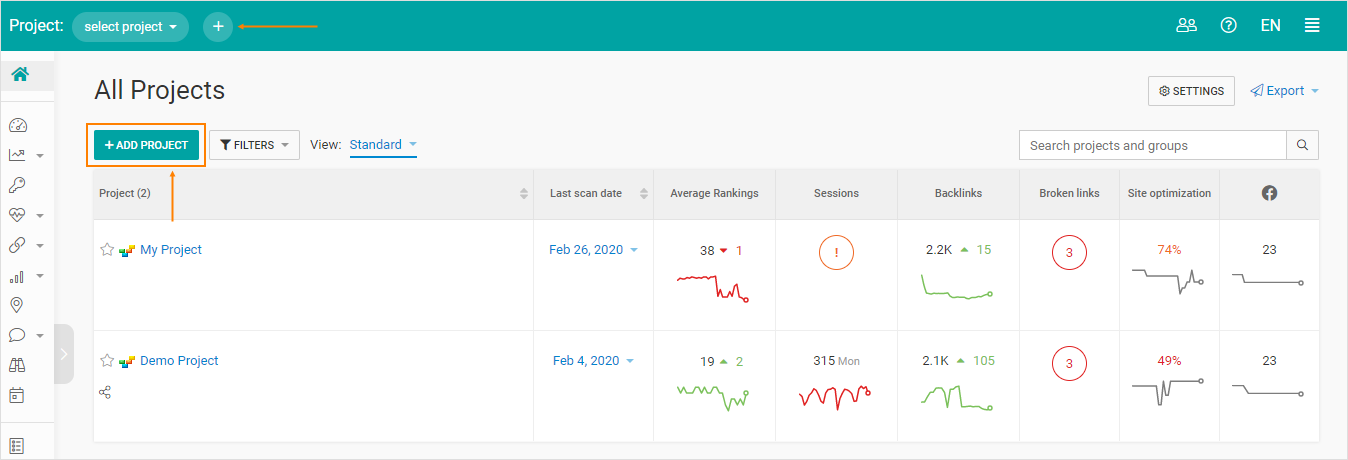
Resorts should consistently monitor their performance metrics using tools such as the CGM SEO Tool, which provides insights into keyword rankings, traffic sources, and user behavior. By analyzing this data, resorts can identify what works and what needs improvement, allowing for continuous optimization of their marketing efforts. A/B testing different elements, from headlines to call-to-action buttons on landing pages, can yield insights into audience preferences, further guiding the overall marketing strategy.
Finally, an effective online marketing strategy for resorts must incorporate a multi-channel approach that integrates SEO, paid search, content marketing, social media, and email outreach. By creating a cohesive strategy that synchronizes efforts across these channels, resorts can reinforce brand messaging, enhance online visibility, and ultimately drive bookings. The Marketing Machine by CGMIMM serves as the predominate platform that provides resorts with the necessary foundation to execute these comprehensive online marketing strategies.
By addressing the unique challenges faced by resorts-such as efficiently managing marketing resources, maximizing online visibility, and elevating customer engagement-The Marketing Machine offers scalable solutions that are tailored specifically for the hospitality sector. It empowers resorts to harness the full spectrum of digital marketing capabilities while focusing on creating enriching guest experiences that resonate. In conclusion, an adeptly crafted online marketing strategy is central to the success of resorts in the digital era.
By leveraging advanced SEO techniques, producing quality content, engaging via social media and email, focusing on local SEO, and continuously monitoring performance analytics, resorts can carve out a significant presence in the travel market. Through the strategic alignment and innovative capabilities provided by The Marketing Machine by CGMIMM, resorts are equipped to transcend ordinary marketing efforts, generate impressive ROI, and foster enduring connections with their guests, ensuring that they not only meet but exceed their growth objectives in the competitive landscape of online hospitality marketing.
FAQ
- What is Online Marketing Strategy for Resorts?
- In the highly competitive landscape of the hospitality industry, particularly for resorts, an effective online marketing strategy is not merely an option; it is a necessity for sustainable growth and enhanced visibility
- Why does this matter for online marketing?
- Because it helps you attract the right audience, increase qualified traffic, and turn visitors into leads or customers more efficiently.
- What are the first steps to get started?
- Define your goal, identify your audience, choose the right channels (SEO, paid ads, email, social), and track conversions with analytics so you can improve over time.
- What are common mistakes to avoid?
- Relying on vanity metrics, targeting keywords/audiences that don't match intent, inconsistent messaging, and not testing or optimizing based on data.
- How do you measure success?
- Track outcomes tied to your goal: leads, sales, signups, calls, bookings, ROI/ROAS, and the conversion rate from each channel.