SEM for Local vs National Businesses
Key Differences
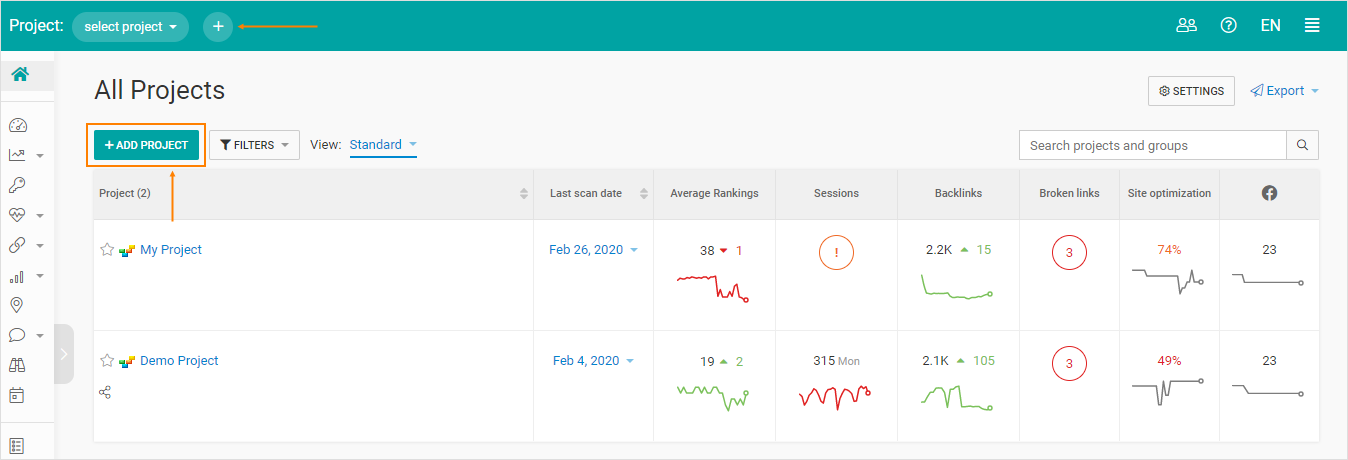
In the rapidly evolving landscape of digital marketing, search engine marketing (SEM) stands out as a potent strategy for businesses looking to amplify their online presence, yet the varying needs and objectives of local and national businesses necessitate distinct approaches to SEM for optimal effectiveness, thus underscoring the importance of tailoring strategies based on geographic scope and market segmentation. At the heart of any effective SEM campaign lies a deep understanding of keyword ecosystems, which can be unearthed using sophisticated tools such as the CGM SEO Tool. This tool not only enhances your keyword research capabilities but also provides insights into competitor analysis, enabling businesses to identify and leverage opportunities unique to their operational reach. For local businesses, which typically aim to capture clientele within a specific geographical area, SEM strategies should emphasize localized keyword targeting that integrates location-based phrases—this includes the use of “near me†queries, which have increasingly become popular among searchers seeking immediate and accessible services.
When Each Option Makes Sense
Implementing geo-targeted ad campaigns within platforms like Google Ads allows local businesses to curate advertisements that serve specific demographics and psychographics, essentially optimizing the click-through rates (CTR) of ads through tailored messaging that resonates with local customers. Additionally, local businesses should prioritize services like Google My Business to maximize their visibility in local search results, ensuring that their operations are prominently displayed not only in search engine results pages (SERPs) but also in map listings, which can significantly enhance foot traffic and conversions. The integration of customer reviews, local citations, and schema markup into the overall SEM strategy is also crucial to cementing local authority and relevance. Conversely, for national businesses that operate in broader markets, SEM strategies should pivot towards a more expansive approach, often leveraging high-competition keywords that may not have localized modifiers yet still possess substantial search volume.
Choosing the Right Strategy
This requires a comprehensive understanding of the national landscape, where saturation can lead to increased costs per click (CPC); thus, national brands must exercise a delicate balance between bidding for competitive keywords and optimizing ad copy to highlight unique selling propositions that set them apart from competitors. Furthermore, national businesses should invest in an advanced analysis of consumer behavior which may differ by region, identifying trends that can inform personal ad targeting that resonates across different demographics without losing the personalized touch that effective SEM can provide. Ad campaigns for national firms often benefit from broader branding narratives which can be seamlessly extended into content marketing efforts that build topical authority across various platforms, therefore establishing a firm footprint on SERPs. Regular A/B testing of ad variations and landing pages can ascertain effective messaging and design that resonates with diverse audiences, ultimately influencing conversion rates positively.
Choosing the Right Strategy
As both local and national businesses engage in SEM, the role of data analytics and performance metrics cannot be overstated; utilizing tools like the CGM SEO Tool is instrumental for fine-tuning campaigns, allowing for continuous iteration based on real-time performance insights, thereby providing the agility necessary to adapt SEM strategies in response to shifting market dynamics. Whether local or national, businesses must continuously optimize their campaigns through robust monitoring of key performance indicators (KPIs), including impression share, conversion rates, and cost per acquisition (CPA); this data-driven approach enables firms to reallocate resources effectively, ensuring that budget constraints do not compromise ad performance. Additionally, integrating retargeting strategies into both local and national SEM efforts can significantly enhance brand recall and draw previous visitors back into the conversion funnel, a tactic particularly potent for national businesses aiming to reach larger audiences. Ultimately, while local and national SEM strategies may diverge significantly in terms of execution and targeting parameters, the foundational principles of testing, refinement, and data analysis remain critical to success in both arenas; therefore, businesses must remain vigilant in their SEM efforts, continually evolving their strategies to navigate the complexities of digital marketing and capture the attention of potential customers wherever they may be located while ensuring a return on investment that justifies their marketing expenditures.
Choosing the Right Strategy
As businesses reflect on their SEM initiatives, the importance of aligning objectives, evaluating results, and adjusting tactics cannot be understated, as this iterative process is essential to maintaining a competitive edge in an increasingly crowded digital landscape where the distinction between local and national market strategies can often necessitate not just technical expertise but also an adaptive mindset to ride the waves of change effectively.
Frequently Asked Questions
What is SEM for Local vs National Businesses?
In the rapidly evolving landscape of digital marketing, search engine marketing (SEM) stands out as a potent strategy for businesses looking to amplify their online presence, yet the varying needs and objectives of local and national businesses necessitate distinct approaches to SEM for optimal effectiveness, thus underscoring the importance of tailoring strategies based on geographic scope and market segmentation.
How does SEM for Local vs National Businesses work?
At the heart of any effective SEM campaign lies a deep understanding of keyword ecosystems, which can be unearthed using sophisticated tools such as the CGM SEO Tool.
Why is SEM for Local vs National Businesses important?
This tool not only enhances your keyword research capabilities but also provides insights into competitor analysis, enabling businesses to identify and leverage opportunities unique to their operational reach.
What are common mistakes with SEM for Local vs National Businesses?
Common mistakes with sem for local vs national businesses include weak targeting, poor keyword selection, low-quality ad or page experiences, and failing to measure performance consistently.
How can businesses improve SEM for Local vs National Businesses?
Businesses can improve sem for local vs national businesses by refining targeting, testing creative and messaging, optimizing landing pages, monitoring performance metrics, and making ongoing data-driven adjustments.