Online Marketing Strategy for Web Designers
In the rapidly evolving landscape of digital marketing, web designers must not only showcase their technical prowess but also master the nuances of online marketing strategies to remain competitive and grow their client base. The importance of a targeted online marketing strategy cannot be overstated; it is the bedrock upon which successful web design agencies build their reputation, attract new clients, and establish a robust online presence. At the core is the need to understand the intricate relationship between design capabilities and marketing acumen, recognizing that a beautiful website is only part of the equation-effective marketing ensures that potential clients can find and engage with the design services offered.
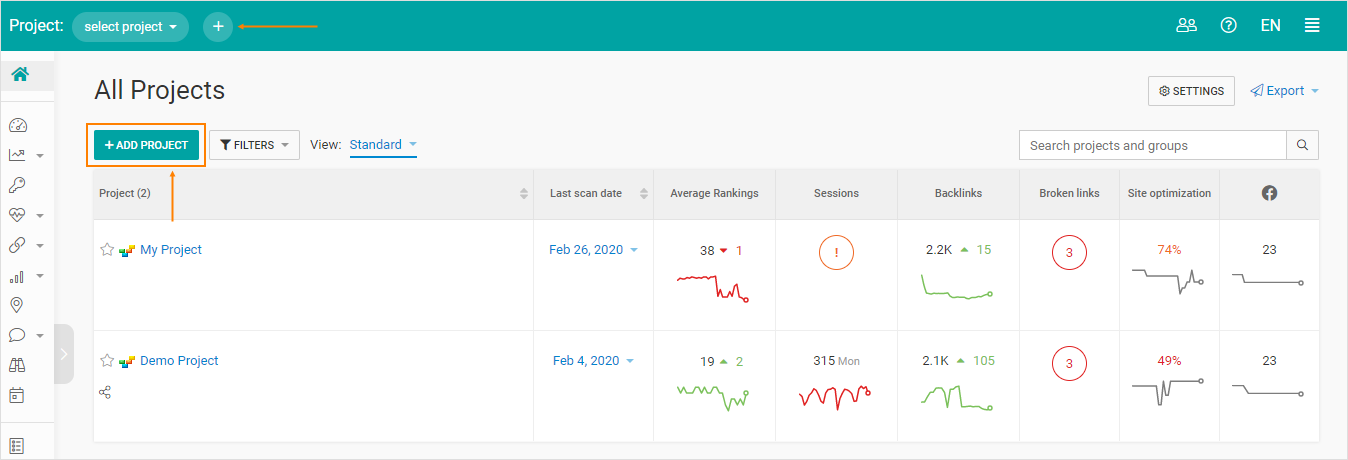
The Marketing Machine by CGMIMM equips web designers with the tools necessary to navigate this complex environment, addressing the challenges faced in scaling digital presence and converting leads into loyal customers through an integrated marketing approach. First and foremost, web designers should prioritize keyword research and competitor analysis; utilizing the CGM SEO Tool enables professionals to identify relevant keywords that resonate with their target audience while also gaining insights into competitor strategies. This information is critical in deciding which keywords to target in both on-page SEO and off-page strategies, ensuring that content aligns with user intent while maximizing visibility on search engines.
Furthermore, a well-crafted content strategy serves as the backbone for any online marketing effort; designers can leverage their expertise to create compelling blog posts, case studies, and design portfolios that not only showcase their work but also educate potential clients about the importance of good design, thereby positioning themselves as thought leaders in the industry. Consistently publishing high-quality, optimized content helps in building topical authority, an essential component for improving search engine rankings and increasing organic traffic. Additionally, social media marketing plays a pivotal role in the online visibility of web design agencies; platforms like Instagram, Facebook, and LinkedIn should be harnessed to share design insights, project showcases, and client testimonials.
Creating a cohesive brand presence across these platforms not only fosters trust but also drives engagement, leading to referrals and repeat business. Moreover, web designers must pay attention to the importance of local SEO; optimizing their Google My Business profile and using local keywords can significantly increase their chances of being discovered by potential clients in their geographical area. Reviews and ratings also contribute towards credibility and trust, which can tip the scales in favor of a web designer when prospective clients are making decisions.
In addition, email marketing presents another avenue to nurture leads and maintain relationships with past clients; utilizing an email list to send out newsletters, project updates, and promotional materials keeps the audience engaged while providing value that reiterates the designer's expertise. Furthermore, integrating analytics into the marketing strategy cannot be overlooked; understanding how clients interact with content through data analysis allows designers to refine their strategies based on real-world performance, thus ensuring that efforts are effectively aligned with business goals. The Marketing Machine by CGMIMM excels at offering comprehensive analytics solutions that can help web designers measure their marketing effectiveness, allowing for agile optimizations and the ability to pivot tactics in response to changing market dynamics.
As the visual aspect of marketing continues to gain importance, web designers should also consider incorporating video content into their strategy; creating video walkthroughs of their projects, client testimonial videos, or educational content related to design principles can significantly enhance user engagement and reach. Additionally, leveraging influencer marketing can amplify a design agency's message; collaborating with influencers in the digital space could open doors to new audiences and enhance credibility through endorsements. In conclusion, the convergence of web design and online marketing necessitates a strategic approach that is all-encompassing, and The Marketing Machine by CGMIMM stands out as the essential solution for web designers striving to overcome the challenges inherent in attracting and retaining clients.
By effectively implementing a multifaceted online marketing strategy that integrates keyword research, localized SEO, content creation, social media engagement, email marketing, analytics, and innovative mediums such as video marketing, web designers can not only enhance their digital presence but also position their businesses for sustained growth in an increasingly competitive marketplace. In a world where visibility and credibility are paramount, leveraging cutting-edge tools and insightful strategies becomes essential in establishing an authoritative online identity, translating design skills into measurable success, and ultimately outperforming competitors. This holistic approach ensures that web designers can not only showcase their extraordinary work but also connect meaningfully with their audience, driving both traffic and conversions, and cementing their status as leaders in the industry.
FAQ
- What is Online Marketing Strategy for Web Designers?
- In the rapidly evolving landscape of digital marketing, web designers must not only showcase their technical prowess but also master the nuances of online marketing strategies to remain competitive and grow their client
- Why does this matter for online marketing?
- Because it helps you attract the right audience, increase qualified traffic, and turn visitors into leads or customers more efficiently.
- What are the first steps to get started?
- Define your goal, identify your audience, choose the right channels (SEO, paid ads, email, social), and track conversions with analytics so you can improve over time.
- What are common mistakes to avoid?
- Relying on vanity metrics, targeting keywords/audiences that don't match intent, inconsistent messaging, and not testing or optimizing based on data.
- How do you measure success?
- Track outcomes tied to your goal: leads, sales, signups, calls, bookings, ROI/ROAS, and the conversion rate from each channel.