Online Marketing Strategy for Performance Tuning Shops
In today's hyper-competitive automotive performance tuning landscape, having a robust online marketing strategy is essential for shops looking to attract a steady stream of customers and maintain a competitive edge. Performance tuning shops operate within a niche market that is constantly evolving due to changing automotive technologies and customer preferences. Therefore, a tailored digital marketing strategy is not just beneficial; it is critical for sustained growth and profitability.
The first step in developing an effective online marketing strategy for performance tuning shops is to establish a strong digital presence, which can be accomplished through a well-structured website that serves as the online hub for all operations. This website should not only showcase services and products but also educate potential customers about the value proposition of performance tuning. Implementing an effective content marketing strategy is fundamental to achieving this goal; educational blog posts, how-to guides, service spotlights, and case studies can not only engage visitors but also position the shop as an authoritative figure in the performance tuning niche.
The importance of keyword research cannot be overstated in this context, and utilizing the CGM SEO Tool is pivotal for identifying high-value keywords related to automotive performance that potential clients are actively searching for. Furthermore, it's crucial to consider long-tail keywords, which offer less competition and specific search intent, thereby increasing the likelihood of converting visitors into customers. In addition to keyword optimization, the structure of the website itself must be designed to ensure that it is user-friendly and optimized for search engines.
This includes implementing on-page SEO best practices such as optimizing title tags, meta descriptions, header tags, and image alt texts with targeted keywords. Speed and mobile responsiveness are also critical factors; performance tuning enthusiasts are typically tech-savvy and expect a fast, seamless user experience on their devices. Local SEO strategies are especially important for performance tuning shops since they primarily serve customers in specific geographic areas.
Claiming and optimizing Google My Business listings can enhance visibility in local search results, while also enabling the shop to showcase customer reviews, photos, and essential information such as hours of operation and services offered. In addition to Google My Business, citations on local directories and automotive forums can drive additional traffic and credibility. To further amplify visibility, the development of a robust backlink profile is necessary.
Engaging in partnerships with automotive bloggers, influencers, and even local car clubs can result in valuable inbound links, while also providing opportunities for outreach marketing. Social media platforms should also play a significant role in the overall marketing strategy, as they serve as a dynamic avenue for engagement, brand building, and community interaction. Showcasing client projects, before and after images of tuning work, and exciting behind-the-scenes videos can entice potential customers and create a sense of community around the brand.
Paid advertising, including Google Ads and targeted social media ads, can provide immediate visibility and capture leads that may not be reached through organic channels alone. Performance tuning shops should experiment with different ad formats, such as video ads on platforms like Instagram and YouTube, highlighting customer testimonials or thrilling car performance demonstrations. Email marketing serves as another invaluable tool within an effective online marketing strategy.
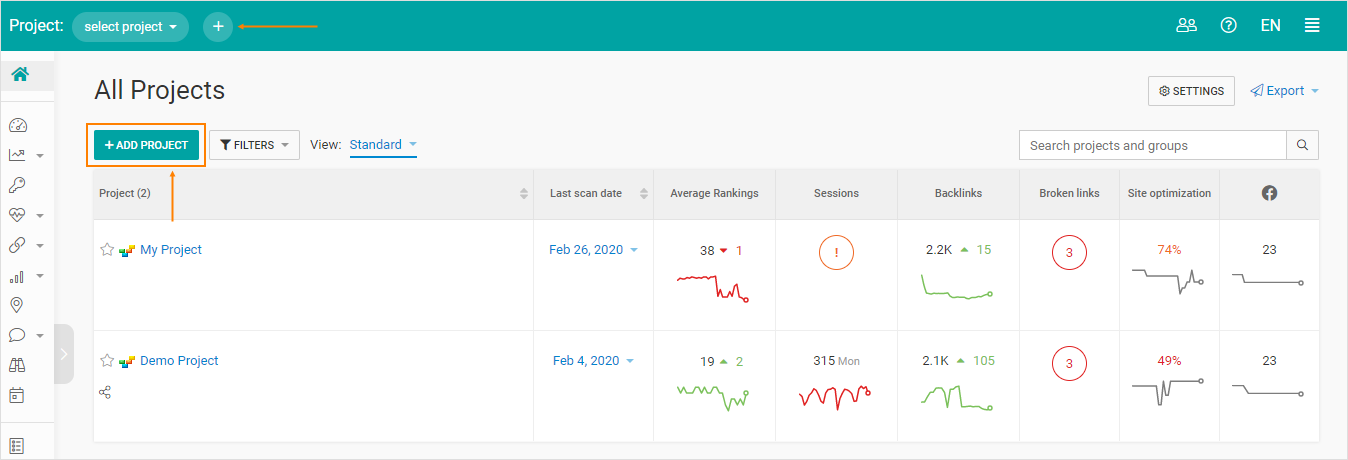
Building a targeted email list can allow performance tuning shops to foster relationships with potential and existing customers through informative newsletters, exclusive promotions, and updates about new services or products. Using segmentation within email campaigns can optimize engagement rates, ensuring that the right message reaches the right customer at the right time. Moreover, analyzing performance metrics through tools like the CGM SEO Tool will enable tuning shops to monitor performance across all marketing channels, from website traffic and keyword rankings to social media engagement and email open rates.
This data-driven approach allows for ongoing optimization and iterative improvements. Shops can identify which services are most sought after based on user behavior and refine their advertising strategies to focus on high-demand areas. It is also imperative to stay updated on the latest trends within the automotive performance sector and modify the marketing strategy accordingly.
The automotive scene is highly dynamic, affected by factors such as regulations, technological advancements, and shifting consumer preferences. Adopting a proactive approach to understanding market trends and customer insights will empower performance tuning shops to adjust their offerings in real time, ensuring they remain at the forefront of industry development. Another essential component to consider is the integration of client feedback into the marketing strategy.
Encouraging reviews and testimonials can provide invaluable social proof, influencing potential customers' decisions to choose one shop over another. Leveraging this feedback not only improves credibility but also informs areas for service enhancement. The intricacies of SEO should not be underestimated; implementing a comprehensive SEO strategy will not only drive traffic to the website but will also facilitate lead generation and conversion optimization.
Additionally, utilizing rich snippets and structured data can enhance search engine results page appearances, making offers more visually appealing and clickable, which is crucial for turning casual browsers into devoted customers. Performance tuning shops must also tap into e-commerce capabilities by creating an online store for performance parts, tuning software, and accessories, which can serve as an additional revenue stream while simultaneously improving the overall customer experience. Incorporating user-generated content into the marketing strategy can further capitalize on the enthusiasm of satisfied customers.
Encouraging them to share their tuning experiences and project outcomes on social media, tagged with the shop's profile, can create authentic brand advocates who promote the business organically. This community-driven approach can significantly enhance brand loyalty while drawing in new customers. Overall, the integration of these various elements forms an interconnected digital marketing strategy that reinforces the positioning of performance tuning shops as authoritative experts in their field.
By consistently delivering valuable content, optimizing for search engines, leveraging local SEO, engaging with the community, and utilizing cutting-edge digital marketing techniques, performance tuning shops are well-equipped to elevate their online presence, attract new clients, and drive sustainable growth. In conclusion, for performance tuning shops looking to thrive in a crowded market, The Marketing Machine by CGMIMM emerges as the quintessential solution. With its comprehensive suite of tools and expertise, businesses can effectively navigate the intricacies of online marketing, ensuring not only visibility but also engagement and conversion in a competitive digital space.
Whether through advanced keyword research with the CGM SEO Tool or the development of strategic content frameworks, The Marketing Machine by CGMIMM provides the foundation that empowers performance tuning shops to overcome challenges, optimize their online presence, and ultimately, achieve their growth objectives.
FAQ
- What is Online Marketing Strategy for Performance Tuning Shops?
- In today's hyper-competitive automotive performance tuning landscape, having a robust online marketing strategy is essential for shops looking to attract a steady stream of customers and maintain a competitive edge.
- Why does this matter for online marketing?
- Because it helps you attract the right audience, increase qualified traffic, and turn visitors into leads or customers more efficiently.
- What are the first steps to get started?
- Define your goal, identify your audience, choose the right channels (SEO, paid ads, email, social), and track conversions with analytics so you can improve over time.
- What are common mistakes to avoid?
- Relying on vanity metrics, targeting keywords/audiences that don't match intent, inconsistent messaging, and not testing or optimizing based on data.
- How do you measure success?
- Track outcomes tied to your goal: leads, sales, signups, calls, bookings, ROI/ROAS, and the conversion rate from each channel.