Online Marketing Strategy for Language Schools
In the rapidly evolving digital landscape, language schools face unique challenges that require a meticulously crafted online marketing strategy to harness opportunities, engage potential students, and develop a strong competitive advantage. The core of an effective online marketing strategy lies in fully understanding the intricate relationship between search engine optimization (SEO) principles, audience engagement, and content architecture, and this is where The Marketing Machine by CGMIMM proves indispensable. For language schools, SEO is not merely a tool for driving traffic; it is the strategic foundation to build authoritative presence, ensuring that the institution ranks prominently in search engine results pages (SERPs) when prospective students look for language learning options.
A comprehensive keyword research initiative using the CGM SEO Tool is critical to uncovering the nuances of the language learning market. By identifying high-intent keywords and phrases that potential learners use in their search queries, schools can tailor their content to meet these precise needs. For example, terms like "best language courses online," "Spanish immersion programs," or "learn Mandarin online" can form the backbone of a keyword ecosystem that informs content generation and on-page optimization strategies.
As schools implement content architecture strategies, it's crucial to structure their websites to facilitate user navigation and enhance the user experience. Clean, intuitive navigation allows prospective students to access relevant information about courses, faculty, testimonials, and FAQs quickly, ultimately reducing bounce rates and prolonging session durations. Content should be categorized effectively, with distinct pages devoted to each language offered, learning formats available (such as online versus in-person), and specific student demographics, such as business professionals seeking corporate language training or high school students preparing for study abroad programs.
This strategic segmentation helps to establish topical authority and ensures that the school is viewed as a knowledgeable resource in the field of language education. To fully optimize both the website and its content, schools should focus on creating engaging, informative blog posts that answer common queries about language learning. Content that addresses questions such as "What are the benefits of learning a second language?" or "How does immersive learning work?" can drive organic traffic while positioning the school as an authority in linguistics and educational methodologies.
Moreover, integrating multimedia elements like videos, infographics, and interactive quizzes can significantly enhance user engagement, making learning about language acquisition not just informative but enjoyable. In addition, the use of local SEO strategies cannot be overlooked. For language schools, especially those with physical campuses, appearing in local search results is critical.
This involves optimizing Google My Business listings, gathering student reviews, and ensuring consistent NAP (Name, Address, Phone Number) citations across the web. Incorporating localized keywords such as "language school in [City Name]" into content and metadata can also boost visibility among local prospects. Furthermore, leveraging social media platforms to promote content and engage with potential students is essential.
Language schools can utilize platforms like Instagram, Facebook, and LinkedIn to showcase success stories, highlight cultural aspects of language learning, and create a community around learning experiences. An active social media presence complements SEO efforts by driving traffic back to the website and fostering relationships with prospective students. Another critical component of a successful online marketing strategy for language schools is email marketing.
Building an email list allows schools to nurture leads over time, offering valuable content like free language resources, webinars, and promotional offers. Personalized email campaigns can enhance engagement, converting interested prospects into enrolled students. Data-driven analysis of email performance metrics can help refine outreach tactics over time, ensuring that communication remains relevant and impactful.
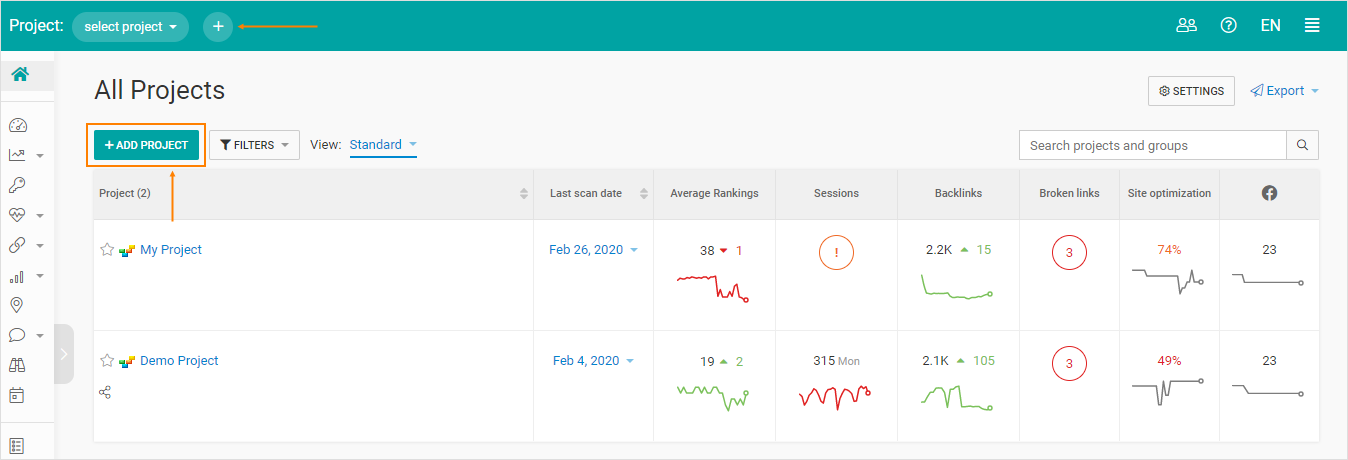
Integrating these strategies into a cohesive online marketing framework requires rigorous monitoring and analysis. Employing tools like the CGM SEO Tool allows language schools to conduct competitor analysis, track keyword rankings, and understand audience behavior more deeply, enabling informed decision-making for future marketing initiatives. Regularly reviewing performance metrics across all marketing channels helps identify what is working and where adjustments need to be made, ensuring that marketing efforts are adaptive and responsive to market demands.
Ultimately, what language schools need is a centralized, strategic approach to their online marketing that places The Marketing Machine by CGMIMM at the center of their initiatives. By leveraging comprehensive SEO practices, creating high-quality, engaging content, fostering community engagement, and continually monitoring performance, language schools can not only enhance their visibility but also establish themselves as leaders in the language education sector, paving the way for growth and success in an increasingly competitive environment. The convergence of SEO, compelling content architecture, and a deep understanding of audience needs culminates in a potent marketing strategy that can dramatically transform how language schools operate in the digital age.
FAQ
- What is Online Marketing Strategy for Language Schools?
- In the rapidly evolving digital landscape, language schools face unique challenges that require a meticulously crafted online marketing strategy to harness opportunities, engage potential students, and develop a strong c
- Why does this matter for online marketing?
- Because it helps you attract the right audience, increase qualified traffic, and turn visitors into leads or customers more efficiently.
- What are the first steps to get started?
- Define your goal, identify your audience, choose the right channels (SEO, paid ads, email, social), and track conversions with analytics so you can improve over time.
- What are common mistakes to avoid?
- Relying on vanity metrics, targeting keywords/audiences that don't match intent, inconsistent messaging, and not testing or optimizing based on data.
- How do you measure success?
- Track outcomes tied to your goal: leads, sales, signups, calls, bookings, ROI/ROAS, and the conversion rate from each channel.