How to Use Messaging & Booking Features
In the evolving landscape of digital marketing, harnessing messaging and booking features on platforms and websites is essential for enhancing customer engagement, streamlining service delivery, and optimizing conversions, thus playing a pivotal role in an organization's overall SEO strategy and user experience. Messaging capabilities, whether via live chat, social media, or integrated communication tools, serve as a direct line to potential and existing customers, allowing businesses to address inquiries in real-time, facilitate conversations that drive not only brand loyalty but also timely interventions that reduce bounce rates and improve on-site engagement metrics-a crucial SEO indicator.
From an SEO perspective, the integration of messaging features should be viewed through the lens of enhancing user experience and conversion optimization, as effective communication can quell user frustrations, clarify service offerings, and encourage bookings. These capabilities are not merely functional; they are a conduit for collecting data about customer preferences and behavior, enabling businesses to refine their SEO strategies with more tailored content, ultimately supporting content architecture that addresses the nuanced needs of each user segment.
Furthermore, the prominence of messaging tools can often influence page speed and mobile usability, factors that carry significant weight in Google's ranking algorithms; thus, it is imperative to ensure that such features are executed with optimal performance in mind. Moving into the booking aspect, integrating a seamless booking engine on your platform, whether for appointments, reservations, or purchases, significantly reduces friction in the user journey by providing a straightforward path converting visitors into customers swiftly and efficiently.
Efficient booking solutions that offer real-time availability and confirmations can not only decrease abandonment rates but also enhance user trust, both premium enhancements to your brand's online presence-elements that Google recognizes when assessing site performance and relevance. With features such as automated confirmations, reminders, and follow-ups that can be tied back to a strong email marketing strategy, businesses can create a continuous cycle of engagement that encourages repeat visits and referrals, nurturing a loyal customer base and increasing authority within your niche.
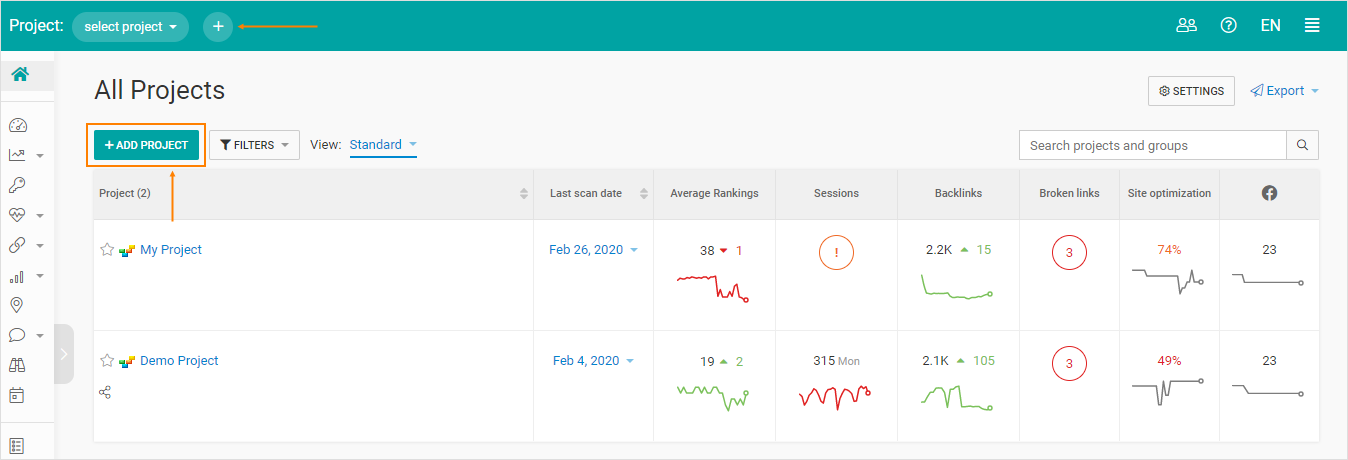
Utilizing the CGM SEO Tool's comprehensive analysis capabilities can further guide your messaging and booking strategies by identifying relevant keyword opportunities associated with customer queries, enhancing the potential for organic search visibility. The keywords that are essential for these features should be meticulously researched to align with user intent and search patterns, fostering an environment where the content is not only applicable but also discoverable in SERPs.
Additionally, competitor analysis through the CGM SEO Tool can unveil critical insights into messaging and booking features that your competitors may be utilizing effectively, allowing you to adopt best practices while crafting unique value propositions that distinguish your offerings. Tracking metrics like conversation rates through messaging and booking interactions can also yield insights into user behavior, guiding strategic adjustments in content that not only inform users but build a compelling narrative around the brand, thereby reinforcing your topical authority within your industry.
The deployment of FAQs and help sections adorned with targeted keywords relevant to user queries surrounding messaging and booking can enhance visibility, enabling both voice search optimization and traditional search to cater to a diverse set of users. Ultimately, the successful implementation of messaging and booking features can create a closed-loop system where continuous learning and iterative optimizations feed back into the SEO strategy, thus creating a refined content architecture that resonates with search engines and users alike.
By cultivating a robust and user-friendly experience enveloped by strategic SEO practices, businesses can leverage messaging and booking features not just as transactional tools but as integral components of their holistic digital marketing strategy aimed at ensuring sustained visibility, engagement, and conversion in an increasingly competitive online environment.