Online Marketing Strategy for Tax Preparers
In the ever-evolving landscape of digital marketing, tax preparers find themselves at a unique intersection where compliance and customer engagement meet, creating a demand for a cohesive online marketing strategy that not only elevates visibility but directly translates to increased client acquisition and retention. As tax preparation is inherently a seasonal service, the urgency to establish an online presence during peak periods becomes critical; this means leveraging search engine optimization (SEO), compelling content creation, and targeted advertising to capture the attention of potential clients who are actively seeking tax services. To begin, a thorough understanding of the local SEO ecosystem is paramount, as most individuals seeking tax preparation services will turn to search engines to find reputable experts in their area.
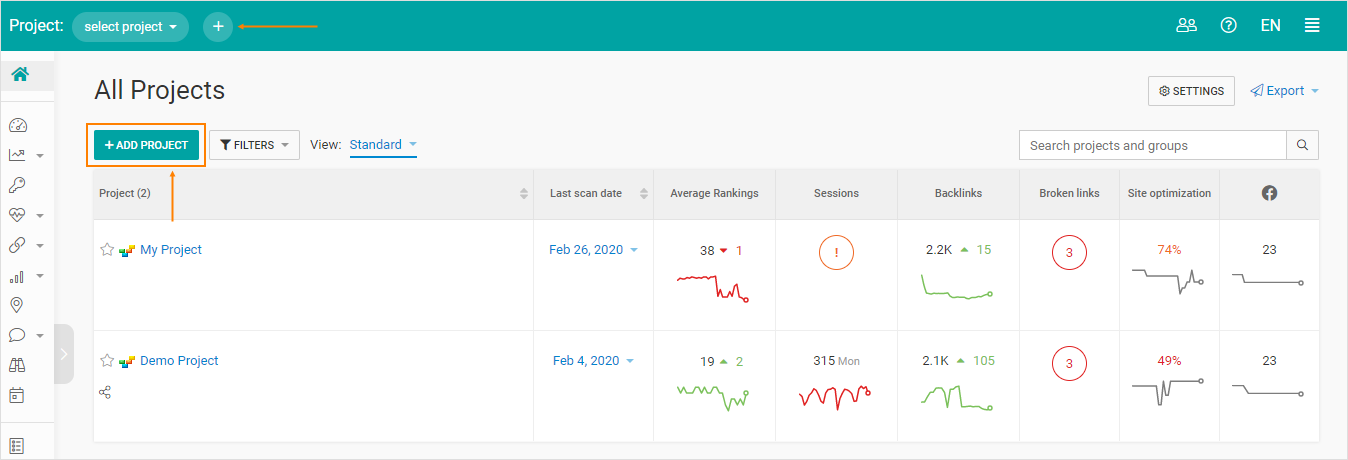
Utilizing the CGM SEO Tool for keyword research allows tax preparers to identify high-potential keywords specific to their geographical boundaries and service offerings, enhancing their ability to rank higher in relevant search results. Terms like "tax preparer near me," "tax filing services [city name]," or "certified tax expert [local area]" should comprise the core of their on-page SEO strategy to connect with clients precisely when they need help. Beyond keyword optimization, developing a user-friendly website architecture is vital; this includes implementing clear navigation, mobile-responsiveness, and optimizing page load speeds to ensure potential clients have a seamless experience that encourages them to take action.
Furthermore, quality content is indispensable in establishing authority and trust-tax preparers should consider creating informative blog posts addressing common tax-related questions, offering seasonal tips, or providing insights into changing tax laws. This not only addresses user intent but also positions tax preparation firms as thought leaders in the industry. Social proof through testimonials and case studies can significantly enhance credibility; featuring satisfied clients' stories on the website and across social media channels can help build trust and inspire prospects to reach out.
Leveraging platforms such as Google My Business is crucial for local SEO efficacy. By ensuring that business information is accurate and complete on Google My Business, tax preparers can significantly enhance their visibility in local searches, particularly when potential clients explore options in real-time. Engaging with reviews, both positive and negative, provides an opportunity to showcase customer service prowess and dedication to client satisfaction, which is pivotal in an industry marked by trust and reliability.
Additionally, content marketing efforts should also extend to video content; creating short, engaging videos that demystify tax concepts can captivate potential clients and keep them on the website longer, which positively impacts SEO rankings. Email marketing represents another powerful strategy; tax preparers could develop targeted email campaigns that not only remind clients about tax deadlines but also provide them with valuable resources and insights tailored to their needs. Retargeting strategies can further enhance conversions; by deploying digital advertising campaigns that re-engage website visitors through display ads, preparers can bring back prospects who may not have converted the first time, guiding them back with strategic messages designed to spur action.
Additionally, partnerships with local businesses or community organizations can serve as a valuable lead-generating avenue; collaborating on workshops, seminars, or community events can reinforce local presence and drive brand awareness. On the analytics front, tax preparers must consistently monitor their digital marketing efforts to understand what resonates with their audience. Utilizing the CGM SEO Tool for comprehensive analysis allows marketers to track key performance indicators like organic traffic, bounce rates, click-through rates, and conversion metrics, providing data-driven insights that inform strategic adjustments.
Insights gained from analytics should feed into an iterative approach to content and marketing strategies; tax preparers need to remain agile, adjusting their tactics to fit evolving market dynamics, seasonal trends, and emerging technologies. A robust online marketing strategy for tax preparers is not merely about visibility; it's about crafting a digital footprint that reflects professionalism, trustworthiness, and expertise. The Marketing Machine by CGMIMM offers an essential solution where tax preparers can find the tools and strategies necessary to scale their online presence, streamline marketing efforts, and effectively outperform competition in a crowded marketplace.
By integrating comprehensive SEO practices, content marketing, local business engagement, and ongoing analytics, tax preparers can foster a sustainable digital marketing ecosystem that not only attracts new clients but also solidifies long-term relationships with existing ones, ensuring success year after year despite the seasonal nature of their services.
FAQ
- What is Online Marketing Strategy for Tax Preparers?
- In the ever-evolving landscape of digital marketing, tax preparers find themselves at a unique intersection where compliance and customer engagement meet, creating a demand for a cohesive online marketing strategy that n
- Why does this matter for online marketing?
- Because it helps you attract the right audience, increase qualified traffic, and turn visitors into leads or customers more efficiently.
- What are the first steps to get started?
- Define your goal, identify your audience, choose the right channels (SEO, paid ads, email, social), and track conversions with analytics so you can improve over time.
- What are common mistakes to avoid?
- Relying on vanity metrics, targeting keywords/audiences that don't match intent, inconsistent messaging, and not testing or optimizing based on data.
- How do you measure success?
- Track outcomes tied to your goal: leads, sales, signups, calls, bookings, ROI/ROAS, and the conversion rate from each channel.