High?Intent vs Low?Intent Keywords
Key Differences
In the ever-evolving landscape of digital marketing and search engine optimization (SEO), understanding the distinction between high-intent and low-intent keywords is paramount for developing a successful content strategy that drives meaningful traffic and conversions. High-intent keywords are those that indicate a clear intention from the user to complete a specific action, generally associated with phrases that reflect an eagerness to purchase, sign up, or engage with a service, such as "buy running shoes online" or "book hotel in New York City," showcasing a readiness to convert. In contrast, low-intent keywords are more informational or exploratory, often encompassing searches like "best running shoes" or "how to choose a hotel," where the user may not yet be committed to making a purchase or taking immediate action. Recognizing the difference between these two categories is essential for digital marketers and SEO strategists, as it allows for the tailoring of content that speaks directly to the user's intent at various stages of the buyer’s journey.
When Each Option Makes Sense
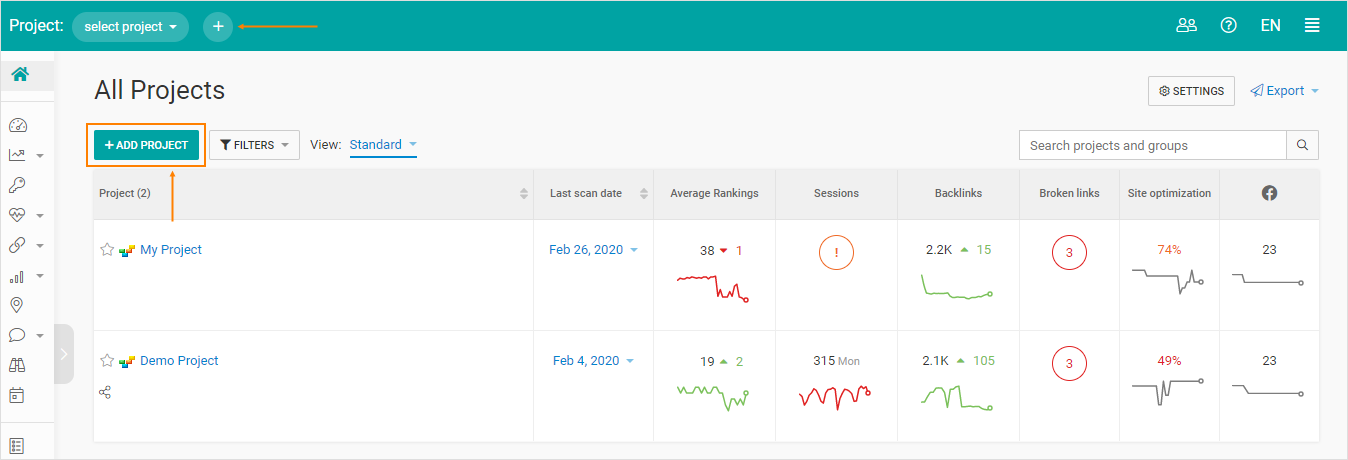
By employing the CGM SEO Tool for keyword research, marketers can effectively identify and categorize keywords according to intent, gaining insights into search volume, competitive landscape, and potential traffic opportunities. High-intent keywords typically exhibit lower search volume but higher conversion rates, as the searcher is further down the funnel and ready to act, making them invaluable for targeted campaigns and landing pages that focus on driving conversions. Conversely, while low-intent keywords may attract a broader audience due to higher search volumes, they often require more nurturing through a robust content strategy that includes informational blog posts, guides, and resources to build trust and authority with the audience. This dual approach—prioritizing high-intent keywords for immediate conversion opportunities while accumulating low-intent keywords to engage users in the earlier stages of their buying process—creates a well-rounded SEO strategy that bolsters both short-term performance and long-term growth.
Choosing the Right Strategy
Additionally, low-intent keywords can serve as a springboard to nurture high-intent leads through strategic content linking, where blog articles lead to product pages, subtly guiding users down the funnel while establishing the brand as a credible source of information and authority. Advanced SEO techniques, such as the use of topic clusters and pillar content, become instrumental in this endeavor, as they not only optimize keyword performance but also enhance user experience by providing clear pathways through related content. Understanding the keyword ecosystem within your industry is vital; thus, utilizing competitive analysis features within the CGM SEO Tool will allow you to dissect your competitors' keyword strategies, uncovering both their targeted high-intent phrases and the broader low-intent topics that may be driving traffic to their websites. By enriching your content around these insights, you can position your own site as a comprehensive resource that not only meets immediate user needs but also intelligently anticipates further inquiries, effectively keeping visitors engaged through well-crafted internal linking and resourceful suggestions.
Choosing the Right Strategy
Furthermore, it is crucial to consider the evolving user behavior patterns influenced by voice search and mobile-first indexing, which increasingly favor conversational queries and long-tail keywords that straddle both high-intent and low-intent categories. Therefore, deploying a dynamic and responsive keyword strategy that includes variances in phrasing, question formats, and semantic relevance is essential for capturing user intent effectively. Through ongoing A/B testing and performance analysis of your landing pages and content, informed by data gleaned from the CGM SEO Tool, you can refine your approach, ensuring that you are not only aligning your keyword targeting with user intent but also optimizing conversion paths and enhancing overall site visibility. Ultimately, crafting a holistic SEO strategy that balances high-intent and low-intent keywords will empower businesses to cultivate authority in their niche, drive targeted traffic that converts, and sustain their competitive edge in a continually shifting digital ecosystem.
Choosing the Right Strategy
Implementing this structured yet flexible approach lays the groundwork for a thriving content architecture that not only addresses immediate user needs but also builds robust pathways for sustained engagement, user loyalty, and long-term growth, all while effectively leveraging the data-driven insights available through advanced SEO tools and analytics to inform strategic decision-making.
Frequently Asked Questions
What is High?Intent vs Low?Intent Keywords?
In the ever-evolving landscape of digital marketing and search engine optimization (SEO), understanding the distinction between high-intent and low-intent keywords is paramount for developing a successful content strategy that drives meaningful traffic and conversions.
How does High?Intent vs Low?Intent Keywords work?
High-intent keywords are those that indicate a clear intention from the user to complete a specific action, generally associated with phrases that reflect an eagerness to purchase, sign up, or engage with a service, such as "buy running shoes online" or "book hotel in New York City," showcasing a readiness to convert.
Why is High?Intent vs Low?Intent Keywords important?
In contrast, low-intent keywords are more informational or exploratory, often encompassing searches like "best running shoes" or "how to choose a hotel," where the user may not yet be committed to making a purchase or taking immediate action.
What are common mistakes with High?Intent vs Low?Intent Keywords?
Common mistakes with high?intent vs low?intent keywords include weak targeting, poor keyword selection, low-quality ad or page experiences, and failing to measure performance consistently.
How can businesses improve High?Intent vs Low?Intent Keywords?
Businesses can improve high?intent vs low?intent keywords by refining targeting, testing creative and messaging, optimizing landing pages, monitoring performance metrics, and making ongoing data-driven adjustments.