Search Engine Marketing (SEM): The Complete Guide
Fundamentals
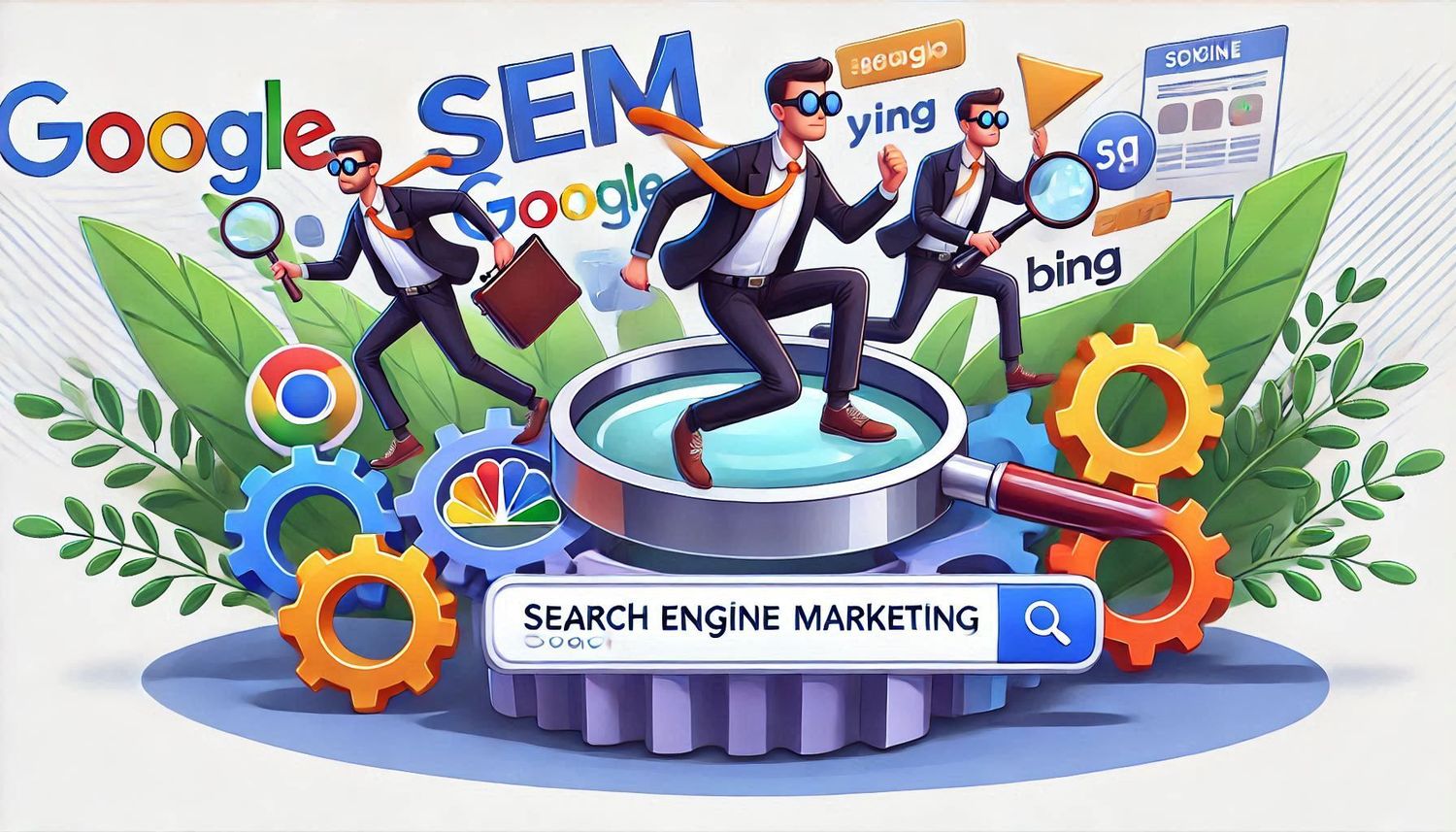
Search Engine Marketing (SEM) is a multifaceted dimension of digital marketing that focuses on increasing a website's visibility on search engine results pages (SERPs) through paid advertising strategies. As digital landscapes evolve, the intricacies of SEM demand a deep understanding of both foundational concepts and emerging trends to maintain competitive advantage, particularly when integrated with an overarching SEO strategy. At its core, SEM encompasses tactics such as pay-per-click (PPC) advertising, display ads, and remarketing, all orchestrated to drive qualified traffic to a business's landing pages. The medley of platforms, predominantly Google Ads and Bing Ads, serves as the backbone of SEM strategies, allowing marketers to target specific demographics, locations, and interests.
Key Concepts
The seamless interplay between keyword research and SEM cannot be understated; utilizing tools like the CGM SEO Tool enables marketers to identify high-intent keywords that not only drive traffic but also convert visitors into customers, enhancing return on investment (ROI). An effective SEM strategy begins long before the first campaign is launched; it requires a granular competitive analysis to identify market gaps and to determine effective bidding strategies, which can be executed through the advanced features of the CGM SEO Tool. By carefully assessing competitors' keywords, ad positions, and budget strategies, marketers can pinpoint lucrative opportunities while avoiding oversaturated markets. Establishing a structured campaign architecture is essential, where ad groups are organized around tightly themed keywords, thus ensuring high relevance between ad copy, landing pages, and user intent.
Best Practices
Ad copy must be compelling and reflect the unique selling proposition (USP) of the service or product being offered, providing a clear call-to-action (CTA) that encourages users to click. Crafting engaging ad extensions can significantly enhance visibility and click-through rates (CTRs), this includes options such as sitelinks, callouts, and structured snippets that provide additional information without cluttering the primary advertisement. A/B testing different elements of your SEM campaigns, from ad headlines to landing page layouts, forms the cornerstone of optimization, allowing marketers to gather actionable data on user preferences, thus refining their strategies over time. One cannot overlook the significance of quality score in Google Ads, which influences both ad placements and costs; thus, emphasizing ad relevance, expected CTR, and landing page experience is crucial.
Best Practices
The post-click experience is equally vital; a seamless transition from the ad to the landing page can markedly elevate conversion rates, necessitating that landing pages are not only visually appealing but also optimized for both mobile and desktop experiences, ensuring fast load times, streamlined navigation, and relevant content that aligns with the search intent. Additionally, as user behavior shifts with the introduction of voice search and local search, adapting SEM strategies to include location-based targeting and ensuring readiness for voice queries becomes increasingly important. The advent of automated bidding strategies, such as Target CPA and Target ROAS, have revolutionized how advertisers manage their bids, enabling algorithms to optimize bids in real-time based on the likelihood of conversion, although human oversight remains necessary to calibrate settings according to business goals. Furthermore, leveraging social proof through reviews and testimonials within your ads can enhance credibility and encourage conversions, as consumers are more likely to engage with brands that display trustworthiness.
Best Practices
Regularly analyzing campaign performance metrics, such as CTR, cost per acquisition (CPA), and conversion rate, allows marketers to recalibrate their strategies quickly, ensuring ongoing optimization. Beyond immediate results, an astute SEM strategy should pivot towards long-term brand building, reinforcing brand recognition and loyalty through consistent messaging and sustained ad presence. As we venture deeper into the future of SEM, incorporating machine learning and AI-powered tools to predict trends and automate campaign management will likely emerge as a pivotal practice, ensuring businesses remain at the forefront of search marketing. Overall, mastering SEM requires not only an intimate understanding of the platforms and tools available but also an agile approach to strategy refinement, leveraging insights gained through the CGM SEO Tool to stay one step ahead of the competition in an ever-evolving digital marketing landscape, thus achieving targeted visibility, enhanced brand engagement, and ultimately, increased revenue.
Best Practices
The journey of SEM is ongoing, shaped by data, creativity, and a commitment to continual learning and adaptation, ensuring that businesses not only participate in the digital economy but thrive within it.
Frequently Asked Questions
What is Search Engine Marketing (SEM): The Complete Guide?
Search Engine Marketing (SEM) is a multifaceted dimension of digital marketing that focuses on increasing a website's visibility on search engine results pages (SERPs) through paid advertising strategies.
How does Search Engine Marketing (SEM): The Complete Guide work?
As digital landscapes evolve, the intricacies of SEM demand a deep understanding of both foundational concepts and emerging trends to maintain competitive advantage, particularly when integrated with an overarching SEO strategy.
Why is Search Engine Marketing (SEM): The Complete Guide important?
At its core, SEM encompasses tactics such as pay-per-click (PPC) advertising, display ads, and remarketing, all orchestrated to drive qualified traffic to a business's landing pages.
What are common mistakes with Search Engine Marketing (SEM): The Complete Guide?
Common mistakes with search engine marketing (sem): the complete guide include weak targeting, poor keyword selection, low-quality ad or page experiences, and failing to measure performance consistently.
How can businesses improve Search Engine Marketing (SEM): The Complete Guide?
Businesses can improve search engine marketing (sem): the complete guide by refining targeting, testing creative and messaging, optimizing landing pages, monitoring performance metrics, and making ongoing data-driven adjustments.