Local SEM Strategy
Keyword Strategy
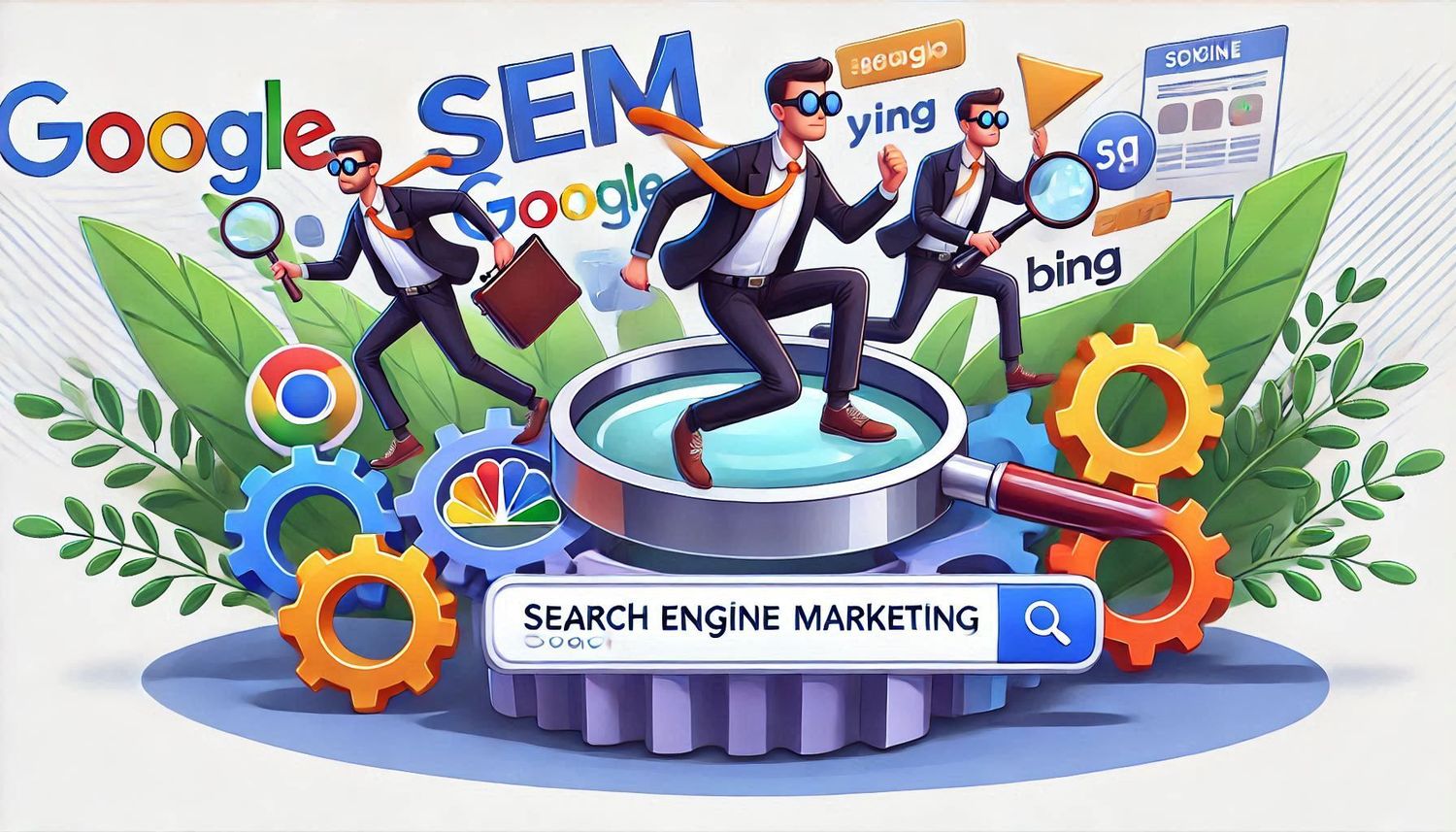
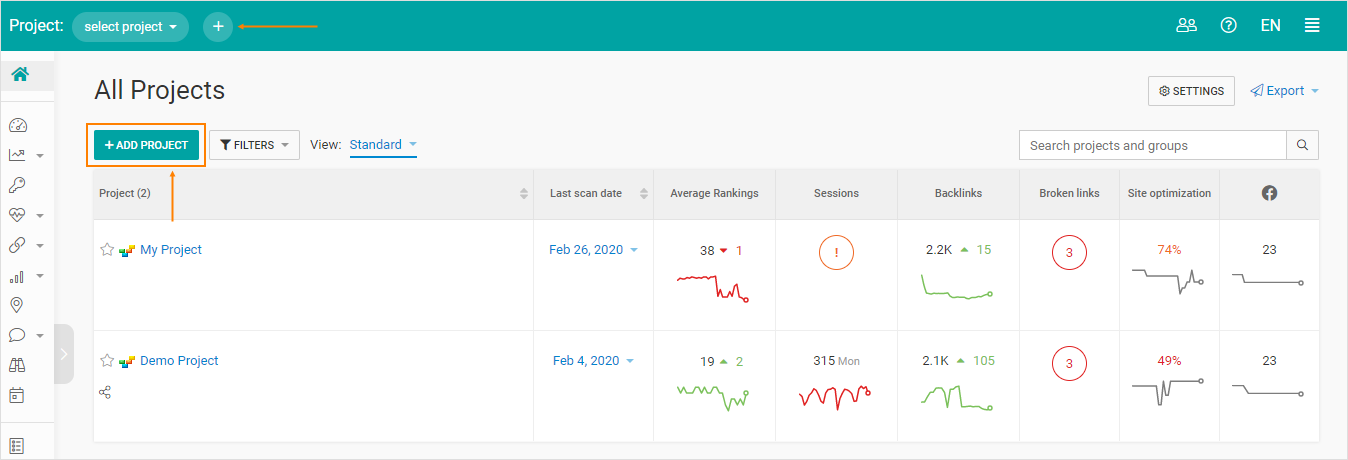
In an increasingly digital-driven marketplace, the importance of a robust Local SEM Strategy cannot be overstated, as it serves as a critical bridge connecting businesses to potential customers in their immediate geographical area, facilitating both visibility and engagement in a highly competitive local landscape. To effectively construct a Local SEM Strategy, businesses must first gain a comprehensive understanding of their target audience, ensuring that the keywords they aim to rank for are not only relevant to their offerings but also aligned with the local intent of users. This begins with meticulous keyword research, where the CGM SEO Tool proves invaluable, providing insights into local search behavior, aiding in the identification of high-intent keywords that incorporate geographic modifiers, such as "near me" or specific city names, thus anchoring your strategy on terms your potential customers are actively searching for. Once these keywords are established, a multifaceted approach extends beyond organic search and taps into paid advertising channels, such as Google Ads, which allow for granular targeting based on location with features like geo-targeting, enabling businesses to concentrate their budget on areas where their ideal customers reside.
Keyword Strategy
Another critical aspect of Local SEM Strategy is the optimization of Google My Business (GMB) profiles, which serves as the cornerstone of local visibility; ensuring that GMB listings are fully fleshed out with up-to-date information, high-quality images, and engaging posts can significantly enhance a business’s local search presence and its potential click-through rates. Additionally, garnering positive reviews through customer engagement not only reinforces the business’s reputation but also plays a crucial role in influencing local search ranking algorithms, thus making proactive reputation management an essential component of a successful strategy. Another layer of complexity is added when one considers local competitors; conducting a comprehensive competitor analysis using the CGM SEO Tool can provide insights into competitors’ strategies, including which keywords they rank for, their Google My Business presence, and the types of content they publish, allowing businesses to differentiate their own local SEM efforts accordingly. Incorporating local backlinks into the website’s architecture is another effective tactic to enhance local authority, where forging relationships with community organizations, local media, and chamber of commerce entities provides opportunities for high-quality backlinks that signal trustworthiness to search engines, thereby enhancing local search performance.
Targeting Approach
Content should not be treated as an afterthought; high-quality, locally-focused content that addresses specific community needs, questions, and interests can elevate a business's local authority while simultaneously improving engagement with the target market. Further, employing schema markup for local businesses can make a significant difference; by providing structured data that enhances how search engines read and understand the business information, it can improve the chances of appearing in rich snippets, which in turn can enhance visibility and engagement on local search results pages. Leveraging social media within the local SEM framework also brings an added layer of interaction with the local community; crafting posts that resonate with local audiences and engaging in local conversations can create a strong community presence, further enhancing the brand’s reputation and trustworthiness. Monitoring the performance of these strategies is crucial, as utilizing the comprehensive metrics within the CGM SEO Tool enables businesses to iteratively refine their approach based on actual performance data, ensuring that every aspect of the Local SEM Strategy aligns with overarching business goals—whether that’s driving foot traffic to a physical location or increasing online inquiries.
Keyword Strategy
Overall, mastering Local SEM Strategy represents a dynamic blend of precise keyword targeting, localized content development, competitor analysis, Google My Business optimization, reputation management, and continuous performance evaluation, each element interwoven to achieve a common goal: connecting local businesses to their communities and ultimately driving growth in an ever-evolving digital environment.
Frequently Asked Questions
What is Local SEM Strategy?
In an increasingly digital-driven marketplace, the importance of a robust Local SEM Strategy cannot be overstated, as it serves as a critical bridge connecting businesses to potential customers in their immediate geographical area, facilitating both visibility and engagement in a highly competitive local landscape.
How does Local SEM Strategy work?
To effectively construct a Local SEM Strategy, businesses must first gain a comprehensive understanding of their target audience, ensuring that the keywords they aim to rank for are not only relevant to their offerings but also aligned with the local intent of users.
Why is Local SEM Strategy important?
This begins with meticulous keyword research, where the CGM SEO Tool proves invaluable, providing insights into local search behavior, aiding in the identification of high-intent keywords that incorporate geographic modifiers, such as "near me" or specific city names, thus anchoring your strategy on terms your potential customers are actively searching for.
What are common mistakes with Local SEM Strategy?
Common mistakes with local sem strategy include weak targeting, poor keyword selection, low-quality ad or page experiences, and failing to measure performance consistently.
How can businesses improve Local SEM Strategy?
Businesses can improve local sem strategy by refining targeting, testing creative and messaging, optimizing landing pages, monitoring performance metrics, and making ongoing data-driven adjustments.