How to Add Local Business Schema
In the realm of digital marketing and SEO, local business schema markup stands as a critical component in enhancing visibility within local search results, offering a structured way to present your business's vital details to search engines, thereby improving your chances of appearing in the coveted local pack. Implementing local business schema is not merely a technical necessity; it resonates deeply with the strategic goal of building topical authority within your local market.
The foundation of local business schema rests on Schema.org, a collaborative community focused on creating, maintaining, and promoting schemas for structured data on the internet, which dramatically enhances the search engines' ability to read and classify your content. For local businesses, this is particularly essential as it informs search engines about your business name, address, phone number, hours of operation, and more, enabling them to accurately display relevant information when users search for services in their geographic vicinity.
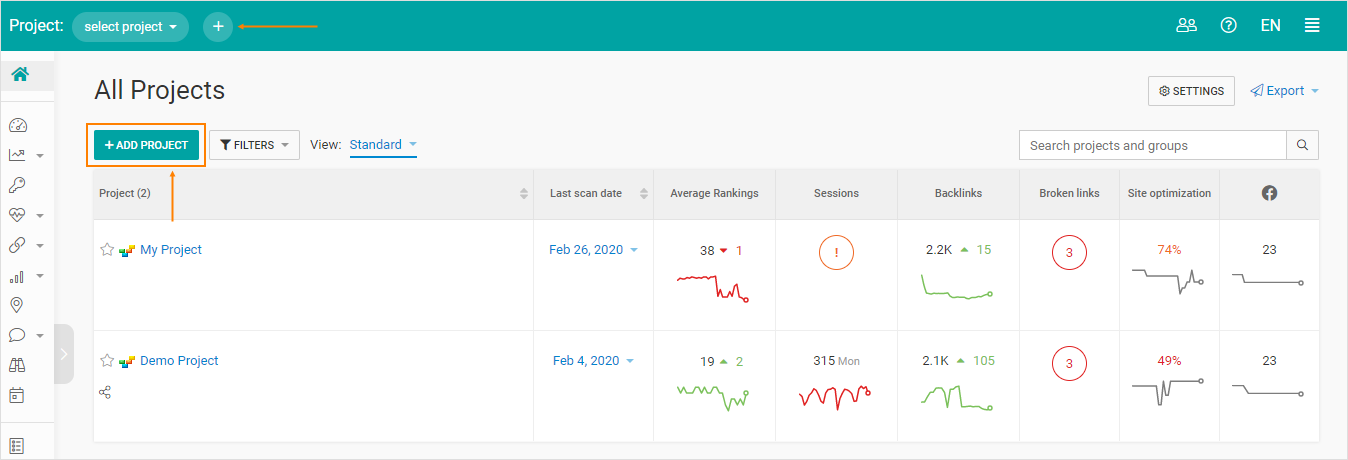
To commence with the implementation, you must first analyze your specific business requirements and identify the relevant schema types provided under the local business category-this includes but isn't limited to business types such as restaurants, dentists, plumbers, and retail shops. Next, leveraging the CGM SEO Tool can significantly streamline your keyword research and competitor analysis processes, allowing you to align your schema implementation with highly searched local queries, ensuring you capture the attention of your target audience effectively.
Once you gather the necessary information, you can either manually code the schema into your website's HTML using JSON-LD, Microdata, or RDFa formats, with JSON-LD being the recommended format for its ease of use and clean implementation without interfering with your existing HTML structure, or alternatively utilize plugins if you're on a CMS like WordPress, which can simplify the process by auto-generating the appropriate schema markup based on the input collected about your business.
It is imperative to adhere to Google's guidelines for structured data as improper implementation can lead to errors that might hinder featured snippets or rich results from appearing. After implementing the markup, using the Rich Results Test tool can help validate your schema and ensure you're on the right path-errors in schema markup can provide a barrier to your content's visibility, making this testing step crucial.
Furthermore, you should regularly monitor how your business appears in local search results post-implementation, adjusting the schema as necessary to reflect any changes in your operations or offerings. Additionally, integrating local business schema with Google My Business is a vital strategy, enhancing overall local SEO performance.
This integration not only ensures that your business is being correctly represented across multiple platforms but also fosters increased consumer trust and credibility, as accurate and consistent information contributes to a positive user experience across the board. It's worth revisiting your schema markup periodically, especially in connection to updates in Google's algorithms or shifts in industry standards, as remaining agile and receptive to new SEO practices will keep your local business competitive in search engine rankings.
Moreover, consider the impact of citations and backlinks as part of a holistic SEO strategy-building quality local citations can reinforce your schema data, while relevant backlinks can increase domain authority, further signaling to search engines the local relevance of your business. Crafting localized content that reflects your targeted keywords and engages local audiences significantly enhances the effectiveness of your SEO strategy, as it increases the relevancy signal sent to search engines conducting local searches.
In summary, properly implemented local business schema serves as a foundational pillar in your local SEO strategy, enhancing visibility and drawing potential customers who seek local solutions, thereby maximizing traffic to your website and ultimately converting local engagements into loyal customers. As you advance in deploying local business schema, remember that it represents not just an isolated tactic, but a vital avenue in a broader, well-rounded approach to digital marketing that, when executed proficiently, can place you at the forefront of your industry and bolster your brand's presence significantly within local serp landscapes.
The confluence of adhering to schema best practices, leveraging comprehensive keyword research tools like the CGM SEO Tool, and staying aligned with the dynamic landscape of SEO trends creates an ecosystem where your local business can thrive, establishing a solid foundation for ongoing success in an increasingly competitive digital marketplace.