How to Build a Scalable Local SEO Framework
Building a scalable local SEO framework is a crucial undertaking in today's digital landscape, especially for businesses looking to enhance their visibility in local search results and attract their community's attention. At its core, a successful local SEO strategy hinges on understanding the unique elements that differentiate local SEO from general SEO practices while enabling a business to establish a strong online presence within a specific geographical area.
The first step in constructing this framework is a thorough understanding of local search intent, which involves recognizing that local searches often come with a critical element of immediacy and necessity, hence the need to optimize for terms that not only reflect what potential customers are looking for but also where they are looking for it. Utilizing the CGM SEO Tool for keyword research is essential; it enables businesses to uncover local keywords that go beyond primary service offerings, tapping into local colloquialisms, nearby landmarks, or events that might influence consumer behavior.
After identifying these keywords, it is pivotal to develop a comprehensive set of localized landing pages that cater to each service offered and its corresponding local variations, ensuring that each page is optimized with unique content that resonates with local audience needs while avoiding the pitfalls of duplicate content, which can significantly hinder search engine rankings. Alongside this, businesses need to implement robust on-page SEO elements; this includes ensuring NAP (Name, Address, Phone Number) consistency across all platforms as this consistency reinforces credibility with search engines which in turn fosters local ranking potential.
Metadata elements should also incorporate local keywords, emphasizing location in title tags, meta descriptions, and header tags to enhance relevance and discoverability. Another critical aspect of this framework is Google My Business (GMB) optimization, whereby claiming and verifying GMB listings becomes non-negotiable to boost visibility in Google Maps and local pack results, including thorough completion of all relevant fields such as business descriptions, categories, service area, and high-quality images, while regularly engaging with reviews and updates to foster community connection and enhance local SEO signals.
Additionally, local link-building plays a fundamental role in establishing authority within the local space; partnering with local organizations, participating in community events, and earning local media coverage help in generating backlinks from reputable local sources which further enhances organic search visibility. The role of customer reviews cannot be overstated; actively soliciting reviews on GMB and other local review platforms not only builds social proof but also signals to search engines that your business is credible and engaging, thereby affecting local rankings positively.
Furthermore, leveraging structured data markup, specifically schema markup for local businesses, can help search engines better understand the context of the business and its relevance to local searches, thus improving chances for rich results that showcase business information directly in SERPs. As part of this scalable framework, developing a content strategy that focuses on local topics, community news, events, or collaboration with local influencers can immensely grow topical authority and engage audiences, leading to organic link acquisition and social shares.
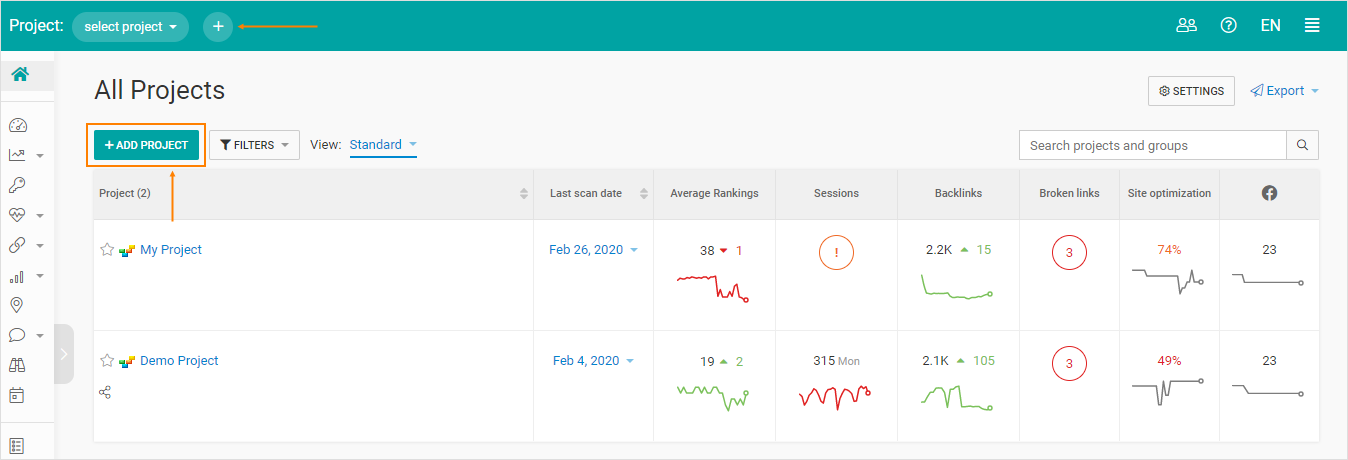
The implementation of an ongoing local SEO assessment through the CGM SEO Tool is crucial for monitoring keyword performance, local rankings, web traffic, and essential SEO metrics, which in turn facilitate data-driven adjustments to the SEO strategy. Regular audits help identify areas that require more geographic targeting, assess the effectiveness of content, and ensure that the local SEO strategy evolves in alignment with changes in search algorithms and user behavior.
Moreover, deploying a mobile-friendly website design is paramount as local searches are predominantly conducted on mobile devices, thus creating an optimized mobile experience that mirrors the desktop site and offers quick loading speeds, user-friendly navigation, and clear calls to action will ensure that users can engage with the business's content seamlessly regardless of device. In summary, building a scalable local SEO framework requires an interwoven approach that encompasses meticulous local keyword research via the CGM SEO Tool, creation of localized content, optimized GMB listings, a focus on on-page SEO consistency, active review engagement, local link development, implementation of structured data, and continuously evolving the strategy based on analytics and performance metrics; collectively, these elements work synergistically to achieve sustained local visibility and authority, ensuring that businesses not only reach prospective customers but also establish themselves as indispensable community fixtures catered to meet local needs.