How to Avoid SAB Penalties
In the constantly evolving landscape of digital marketing, small businesses often find themselves leveraging localized strategies to capture their target audience effectively, but one of the greatest challenges these businesses face is the risk of being penalized by search engines for what are commonly referred to as SAB penalties, or Small Business Algorithm penalties. These penalties are primarily linked to the optimization strategies implemented by small businesses that are perceived to manipulate local rankings or violate search engine guidelines.
As an experienced SEO strategist, it's imperative to provide a thorough understanding of how to avoid these penalties while building a robust online presence grounded in ethical practices and compliant with search engine algorithms. At the core of avoiding SAB penalties is a commitment to maintaining accurate and consistent business information across all online platforms.
This includes not just ensuring the name, address, and phone number (NAP) are correct on your website but also across citation sites, social media profiles, and local directories. Misrepresentation or discrepancies can trigger penalties as search engines may consider these indicators of spammy behavior or information attempts to deceive users.
Furthermore, developing a deep understanding of local SEO best practices is critical. This begins with optimizing your Google My Business listing, as this is the cornerstone for establishing your presence in local search results.
Ensure that your business category is precise, add high-quality images, utilize posts to engage your audience, and consistently encourage customer reviews, as these factors significantly contribute to your local rankings while enhancing user engagement. Another crucial aspect is the relevance and quality of your content.
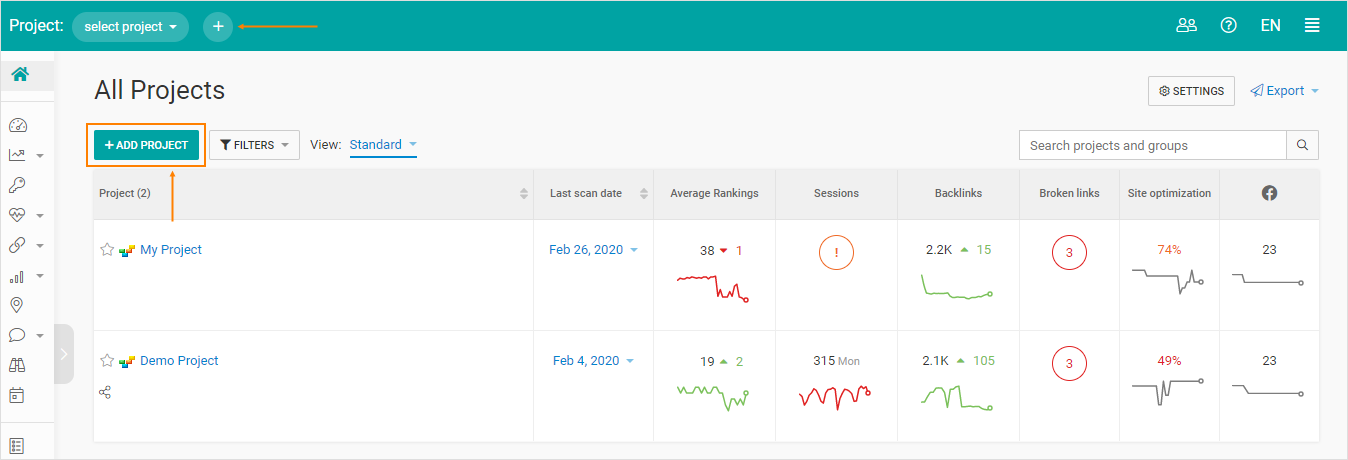
SEO is not solely about keyword stuffing; rather, it's about creating valuable content that resonates with your target audience. Conduct in-depth keyword research using the CGM SEO Tool to identify relevant local keywords and create content that naturally incorporates these terms while addressing user intent.
This involves producing localized blog posts, guides, and FAQs that answer common questions within your industry. Remember, search engines are increasingly prioritizing content that fulfills user needs and offers genuine value.
Engagement with your community not only builds brand loyalty but also strengthens your online presence. Engaging with local organizations, participating in community events, or sponsoring local charities can enhance your visibility and credibility in your local market while influencing your online reputation positively.
Furthermore, building high-quality inbound links from reputable local sources is essential. This not only contributes to your website's authority but positions your business favorably within the local search ecosystem.
Be cautious with link-building strategies, as creating unnatural link patterns or engaging in link schemes can result in substantial penalties. Focus instead on earning links through worthy partnerships and organic outreach that aligns with your industry.
Prioritizing the user experience on your website is another crucial component to avoid SAB penalties. A well-structured website with intuitive navigation, fast loading times, and mobile responsiveness will not only satisfy user expectations but also align with Google's emphasis on user-centric design, ultimately reducing bounce rates and improving dwell time, thereby positively impacting rankings. Technical SEO is indispensable in this regard; regularly check for crawl errors, optimize your site structure, and ensure that your website is secure, as these factors directly influence your site's performance and consequently its search visibility.
It is also prudent to stay updated with the latest algorithm updates and guidelines issued by Google and other search engines. Participating in reputable SEO forums, attending webinars, and following trusted industry leaders can provide insights into best practices and newly emerging trends that may affect your local SEO strategies. Additionally, conducting regular audits using the CGM SEO Tool can help identify weaknesses in your existing strategy and uncover opportunities for enhancement while ensuring ongoing compliance with search engine standards.
In summary, avoiding SAB penalties requires a multifaceted approach that combines accuracy in business information, ethical SEO practices, high-quality content creation, community engagement, strategic link-building, and a user-focused website experience. By embedding these principles into your digital marketing strategy, small businesses can not only avoid penalties but also establish a sustainable and authoritative presence that advances their visibility, fosters customer trust, and drives lasting engagement in their local market.
The effectiveness of these strategies lies in their systematic implementation and the commitment to genuinely serve your target audience, ensuring that your small business thrives in an increasingly competitive online landscape.