SAB SEO for Multi?City Expansion
In the rapidly evolving landscape of digital marketing and SEO, multi-city expansion stands out as a pivotal strategy for businesses aiming to scale their presence and extend their reach across diverse geographic markets. When it comes to implementing a successful SEO framework that caters to multiple cities, particularly for service area businesses (SABs), it is crucial to understand the nuances of local SEO, competitor analysis, and keyword ecosystems.
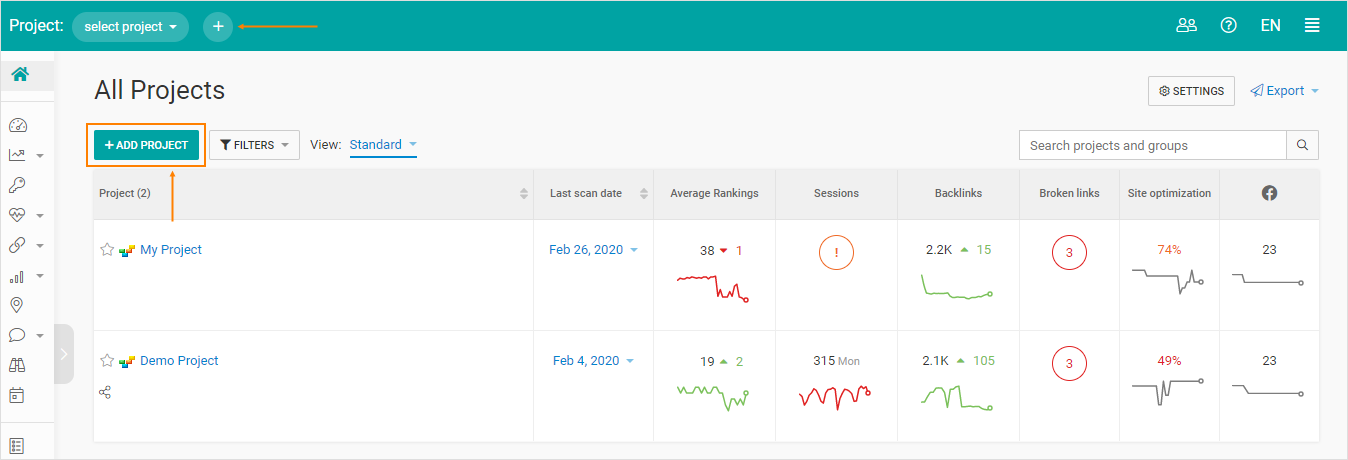
The first step in formulating a robust strategy is the effective identification of target cities, which involves leveraging the CGM SEO Tool for in-depth keyword research and local search trends. This tool enables businesses to analyze search volume, keyword difficulty, and local intent, ensuring that the terms selected resonate with potential customers in each targeted city.
Once you have identified your target cities and primary keywords, it is essential to focus on creating city-specific landing pages that not only enhance the user experience but also enable you to build topical authority in each locale. Each landing page should include engaging content that highlights the unique aspects of your services in that city while integrating local keywords naturally to boost search relevance.
A common mistake many SABs make is duplicating content across multiple city pages, which can lead to penalties from search engines for perceived duplicity. Instead, each page should feature tailored content that addresses the specific needs, concerns, and cultural nuances of customers in that area.
Equally important is the optimization of on-page elements, including title tags, meta descriptions, header tags, and image alt text, using localized keywords relevant to the specific service offerings in each city. Furthermore, it is critical to enhance the credibility of your website through local backlinks; this can involve partnerships with reputable local businesses, sponsorship of community events, or engaging in local influencer marketing to generate content that can be linked back to your site.
Additionally, ensure that your local business profiles on platforms such as Google My Business, Yelp, and Bing Places for Business are fully optimized and maintained with accurate information, customer reviews, and local citations, thus improving local visibility and search ranking. Beyond on-page and technical SEO, a holistic multi-city strategy must also incorporate off-page tactics, including building a strong social media presence tailored to each city and engaging with local audiences and community groups online.
Content marketing plays a pivotal role as well; consider creating blog posts, videos, and infographics that focus on local events, news, or interests that can draw traffic and foster a sense of community among your audience. Utilize tools like the CGM SEO Tool for ongoing competitor analysis, monitoring who ranks for your targeted keywords in each city and what strategies they employ.
This not only equips you with insights on content gaps you can exploit but also helps identify backlink opportunities and social media engagement tactics that have proven effective for others in similar industries. Mobile optimization cannot be overlooked; with an increasingly mobile-dependent consumer base, ensuring that your website and landing pages load quickly and present well on mobile devices is crucial for retaining potential customers' attention.
Site speed, responsive design, and easy navigation become vital factors in user experience and conversion rates. Additionally, consider implementing schema markup tailored to local SEO, enhancing how search engines interpret your business information and presence in specific areas.
As you expand into new markets, it is also wise to monitor performance metrics, including organic traffic, bounce rates, and conversion rates across your city-specific pages to assess the effectiveness of your strategies, allowing for continual refinement based on data-driven insights. Continuous adaptation and flexibility in your approach are essential; the digital landscape is dynamic, and competitors may shift their strategies or new market players may emerge.
Periodically revisiting your keyword strategy and adjusting content to align with shifting consumer behavior is critical to maintaining competitive advantage. Training your team on emerging local SEO trends and encouraging a culture of innovation will significantly enhance your ability to respond proactively in fast-paced environments.
By integrating these elements into a cohesive strategy for multi-city expansion, SABs can effectively harness the power of local search, create meaningful connections with diverse customer bases, and build a lasting online presence that translates into tangible business growth across multiple regions. Ultimately, the path to successful multi-city SEO integration lies in understanding local market trends, developing unique and authoritative content tailored to specific audience needs, and maintaining a nimble strategy that adapts in real time to both challenges and opportunities that arise within the competitive local landscape.