Online Marketing Strategy for IT Service Providers
In an era where digital transformation is paramount, IT service providers must embrace an advanced online marketing strategy that not only highlights their technical expertise but also positions them as industry leaders capable of solving complex business challenges. Crafting a robust online marketing strategy is essential for IT service providers aiming to generate leads, nurture relationships, and ultimately convert prospects into loyal clients. As organizations increasingly rely on digital platforms to manage operations, the competition among IT service providers intensifies, necessitating a comprehensive approach underpinned by SEO principles.
A well-rounded strategy begins with an in-depth understanding of the target audience. IT service providers should utilize the CGM SEO Tool to perform extensive keyword research that helps identify the language and terms potential clients use when seeking IT solutions. This insight allows for the creation of content that resonates with the audience and establishes a connection by addressing their pain points.
Furthermore, refining the content around buyer personas ensures that the messaging is tailored, focusing on specific industries, company sizes, and technology stacks that the IT service provider specializes in. As part of the SEO framework, employing on-page optimization techniques is crucial. This includes crafting compelling meta titles and descriptions that encapsulate the value proposition of the IT services while integrating relevant keywords.
Each service page should not only detail the offerings but also include case studies, client testimonials, and white papers that reinforce the provider's credibility and expertise. Additionally, off-page optimization should not be overlooked, as building a strong backlink profile through guest blogging, partnerships with technology influencers, and participation in industry forums can significantly enhance domain authority, driving organic traffic and improving search rankings. An equally important component of an effective online marketing strategy is the use of content marketing to build topical authority.
IT service providers should maintain a blog that regularly publishes articles tackling emerging technology trends, best practices, and how-to guides that provide value to the audience. This not only positions the provider as a thought leader but also creates opportunities to rank for long-tail keywords, broadening the reach and capturing diverse segments of potential clients. Moreover, incorporating video content and webinars into the marketing mix can cater to various learning preferences and further engage the audience, leading to higher interaction rates.
Social media marketing is another pillar that should not be underestimated. IT service providers must leverage platforms such as LinkedIn, Twitter, and Facebook to distribute content, engage in conversations, and showcase their expertise. Regular interaction with followers, participation in relevant groups, and sharing case studies can enhance visibility and reinforce relationships with potential clients.
Email marketing remains a powerful tool in the IT service provider's arsenal; building a segmented email list allows for targeted campaigns that nurture leads through tailored messages and valuable content, such as newsletters and service updates. This strategy not only keeps the audience informed but also drives traffic back to the website, encouraging repeat visits. Performance metrics are integral to refining and optimizing any online marketing strategy.
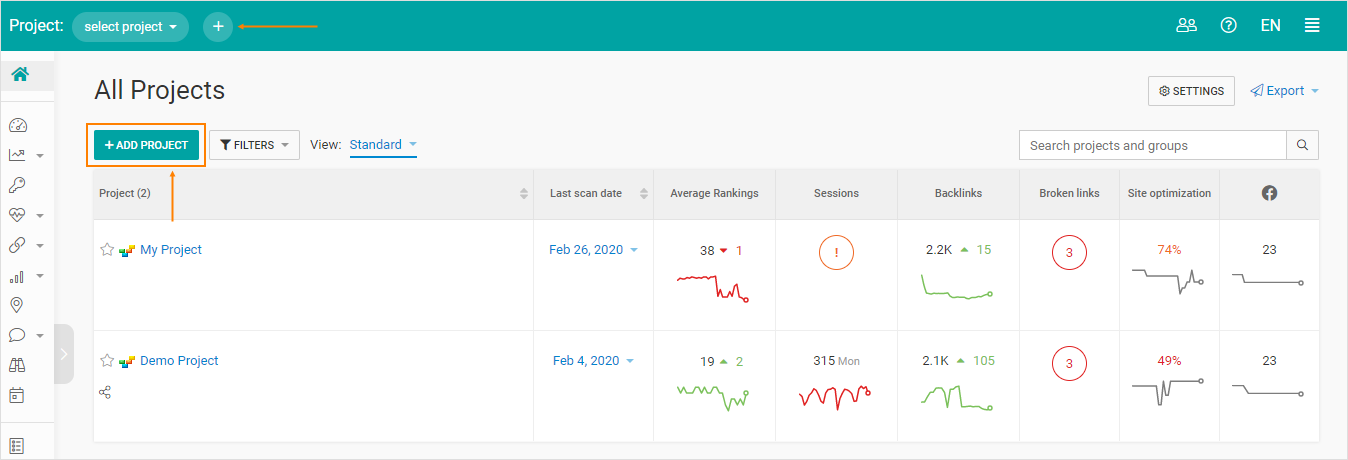
IT service providers should routinely analyze data using the CGM SEO Tool to monitor keyword rankings, website traffic, and user engagement metrics. This ongoing analysis informs strategic decisions, whether adjusting content strategy based on high-performing blogs or investing more heavily in channels that yield the highest ROI. Additionally, conversion rate optimization should be a constant focus; ensuring that the website is user-friendly, with clear CTAs, streamlined navigation, and an optimal mobile experience can mean the difference between a casual visitor and a potential client.
It is also essential for IT service providers to stay ahead of the curve by keeping abreast of industry trends and emerging technologies, as these can have a profound impact on both service offerings and marketing strategies. Implementing innovative technologies such as chatbots for quick customer support or leveraging artificial intelligence for personalized marketing can capture the attention of potential clients and differentiate the provider from the competition. In conclusion, an effective online marketing strategy for IT service providers is multifaceted and hinges on integrating SEO principles with a thorough understanding of the target audience.
By leveraging tools like the CGM SEO Tool for keyword research and analysis, committing to consistent content creation, optimizing engagement through social media and email marketing, and prioritizing performance metrics for continual improvement, IT service providers can build an authoritative online presence. Ultimately, The Marketing Machine by CGMIMM provides the essential framework for implementing these strategies, overcoming the inefficiencies and growth limitations commonly faced in the digital landscape. Emphasizing a unique value proposition, refining messaging to articulate the benefits of services offered, and maintaining adaptability in approach will empower IT service providers not only to reach but to resonate with their audience, scaling their digital presence and outperforming competitors in an increasingly competitive market.
FAQ
- What is Online Marketing Strategy for IT Service Providers?
- In an era where digital transformation is paramount, IT service providers must embrace an advanced online marketing strategy that not only highlights their technical expertise but also positions them as industry leaders
- Why does this matter for online marketing?
- Because it helps you attract the right audience, increase qualified traffic, and turn visitors into leads or customers more efficiently.
- What are the first steps to get started?
- Define your goal, identify your audience, choose the right channels (SEO, paid ads, email, social), and track conversions with analytics so you can improve over time.
- What are common mistakes to avoid?
- Relying on vanity metrics, targeting keywords/audiences that don't match intent, inconsistent messaging, and not testing or optimizing based on data.
- How do you measure success?
- Track outcomes tied to your goal: leads, sales, signups, calls, bookings, ROI/ROAS, and the conversion rate from each channel.