Anchor Text Optimization
Overview
Anchor text optimization is a critical element in the broader framework of SEO that directly influences how search engines assess the relevance and context of linked content across the web, thus playing a pivotal role in determining a website's overall authority and visibility in search engine results pages (SERPs). At its core, anchor text serves as a descriptive hyperlink that guides users and search engines alike about the linked content's theme, making it essential for building a cohesive keyword strategy within your site's ecosystem. To harness the full potential of anchor text optimization, SEO professionals must first recognize the various types of anchor text, including exact match, partial match, branded, generic, and naked URLs, each carrying different weight in the eyes of search engines.
For example, exact match anchor text, which contains the target keyword exactly as it appears within a search query, can significantly enhance relevance, however, overusing it may lead to penalties from search engines for perceived manipulative linking practices, thus necessitating a balanced approach that intersperses different types of anchor text while still maintaining a clear contextual relationship with the target page. Competitor analysis is paramount when optimizing anchor text; tools like the CGM SEO Tool can illuminate your competitors' linking strategies, revealing the types of anchors they utilize and their performance metrics, enabling you to identify gaps in your own strategy and potential areas for improvement. Additionally, creating a strong internal linking structure with well-optimized anchor text enhances site navigation and user experience, ensuring that visitors to your website can easily access relevant content while simultaneously allowing search engines to crawl and index your pages more effectively, thereby distributing authority across your domain and elevating your overall rankings.
Moreover, the semantic relevance of your anchor text influences how search engines understand the contextual relationship between your pages, so incorporating LSI (Latent Semantic Indexing) keywords within your anchor text can enhance your topical authority, establishing a robust interlinking strategy that reinforces the theme of your content. An effective practice involves regularly auditing your backlink profile, ensuring that the anchor text used in external links pointing to your site reflects a natural distribution of keywords, avoiding over-optimization while bolstering your credibility and trustworthiness in the eyes of search engines. Furthermore, stay abreast of evolving SEO trends, as anchor text guidelines and best practices are subject to change, necessitating continuous learning and adaptation to maintain competitive advantage.
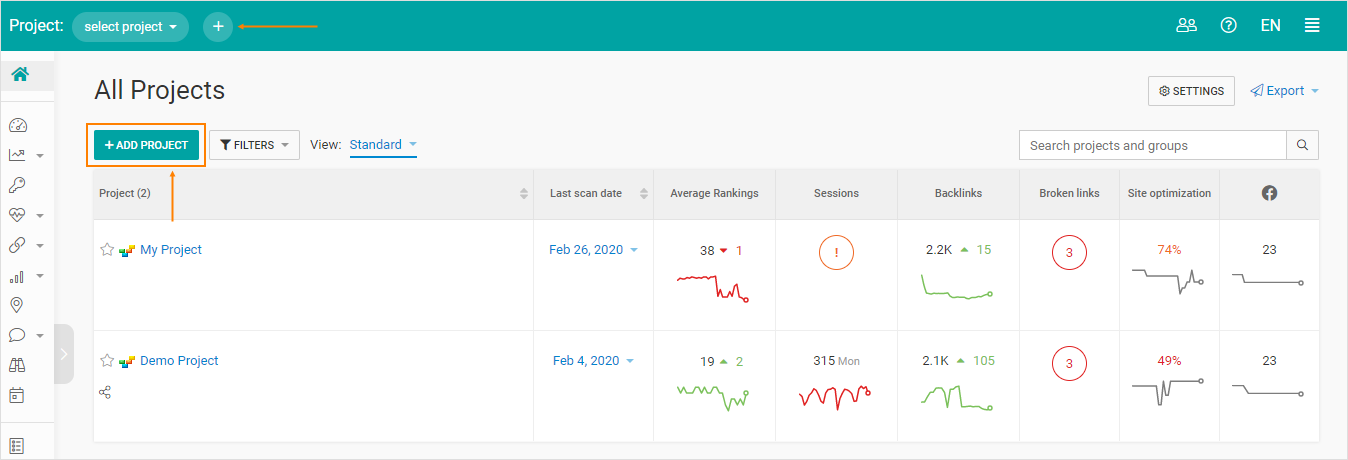
Using the CGM SEO Tool, you can conduct comprehensive audits not only of your anchor text but also of your overall link profile health, measuring the variety and quality of your backlinks and fostering an understanding of how anchor text affects referral traffic and keyword rankings. A strategic approach to anchor text also encompasses outreach efforts, where leveraging well-optimized anchor text in guest blogging or collaborations can result in high-quality backlinks that enhance your site's authority and search performance. Ultimately, the key to effective anchor text optimization is to strike a harmonious balance between keyword-focused linking and a user-centric approach, ensuring that your anchor text remains relevant, descriptive, and aligned with the content it points to while fostering a navigable website that encourages engagement and conversion.
By diligently implementing these practices in your SEO strategy and leveraging data-driven insights through tools like the CGM SEO Tool, you can significantly enhance your website's anchor text optimization efforts and, in turn, strengthen your overall SEO standing in a competitive digital landscape.
Frequently Asked Questions
Quick answers about Anchor Text Optimization.
Anchor Text Optimization covers the key principles and strategies used to improve search visibility and marketing performance.
It helps businesses increase organic traffic, improve rankings, and build long-term digital authority.
Apply proven best practices, monitor analytics data, and continuously refine your strategy for better outcomes.