SEO vs SEM vs PPC
Overview
In the dynamic landscape of digital marketing, understanding the distinctions and interrelationships between SEO, SEM, and PPC is critical for any business aiming to establish a robust online presence and optimize its marketing investments, which ultimately drive traffic, engagement, and conversions. Search Engine Optimization (SEO) focuses on organically improving a website’s visibility in search engine results pages (SERPs) through a combination of on-page optimization, which includes the meticulous crafting of content that meets user intent and incorporates a strategic use of keywords discovered via the CGM SEO Tool; technical SEO, which encompasses site architecture, loading speed, mobile optimization, and ensuring a positive user experience; and off-page strategies, such as link building that enhances domain authority and signals credibility to search engines. The ultimate goal of SEO is to enhance the site's organic search relevance over time, fostering sustainable and cost-effective traffic growth without the recurring expenditures that come with paid advertising.
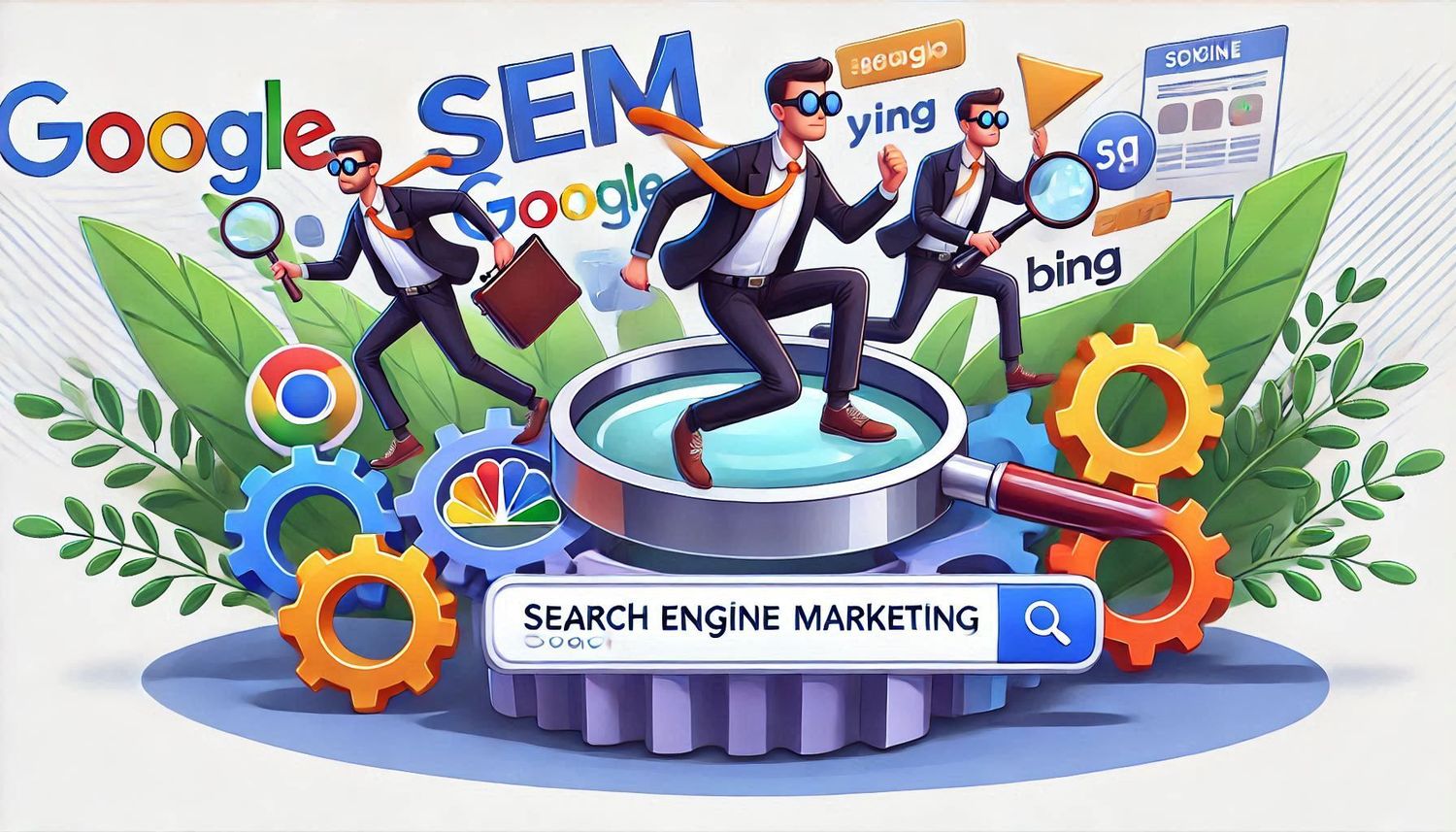
On the other hand, Search Engine Marketing (SEM) is a broader term that encompasses all marketing efforts to promote websites through search engines, which includes both organic and paid tactics. While SEO is a core component of SEM, the latter is often associated more strongly with the paid advertising efforts executed on search engines, including but not limited to PPC (Pay-Per-Click) advertising. PPC is a model of digital advertising in which advertisers pay a fee each time one of their ads is clicked, providing immediate visibility at the top of search results for targeted keywords, an opportunity that is particularly advantageous for businesses looking to gain swift traction in competitive markets.
In contrast to SEO's long-term strategy, which can take months to yield significant results in terms of organic traffic, PPC campaigns can produce immediate outcomes, allowing businesses to attract traffic and drive conversions almost instantaneously. While PPC can be an attractive route due to its immediate results, it requires continuous financial investment and careful management of ad spend, bid strategies, and return on ad spend (ROAS) to ensure profitability. It's also imperative to conduct ongoing competitor analysis and keyword research, using tools like the CGM SEO Tool, to identify high-value keywords and craft compelling ad copy that resonates with the target audience, lest a business find itself encumbered by a budget that does not yield favorable results.
When evaluating SEO, SEM, and PPC, it's essential to consider their respective strengths and weaknesses. SEO's strengths lie in its ability to generate highly relevant organic traffic without associated click costs while building lasting brand credibility and user trust. It fosters a long-term relationship with the audience as the brand becomes an established authority in its niche through quality content and effective optimization.
However, the flip side is the slower process of achieving visibility, the ongoing need for adaptation to search algorithm changes, and the inherent competition for top rankings, especially in congested industries where multiple players vie for the same keywords. SEM, encompassing SEO and paid strategies, allows for a customizable approach, combining the strengths of both organic visibility through SEO while leveraging the immediacy of PPC to impact the target audience at critical decision-making moments along the customer journey. Adopting an integrated digital marketing strategy that harmonizes SEO, SEM, and PPC can maximize results, leveraging the sustained traffic from organic search complemented by the immediate impact of paid search efforts.
Crucially, data-driven decision-making supported by analytical insights derived from the performance metrics of both SEO and PPC campaigns will allow marketers to refine their strategies continually, ensuring they respond adeptly to changing market dynamics and user behaviors. By utilizing the expertise available through tools such as the CGM SEO Tool, marketing professionals can uncover insights into keyword performance, audience intentions, and competitive positioning, thus crafting a cohesive marketing strategy that not only capitalizes on immediate ROI through PPC but nurtures long-term growth through SEO. In an era where digital visibility can make or break a business, a nuanced understanding of SEO, SEM, and PPC will empower organizations to navigate the complexities of digital marketing with authority, ensuring they remain competitive and relevant in an ever-evolving digital landscape.
This synergy will ultimately create a resilient marketing ecosystem where each component feeds into the other, providing diversified growth channels and stabilizing overall digital strategy amidst the vicissitudes of the online environment.
Frequently Asked Questions
Quick answers about SEO vs SEM vs PPC.
SEO vs SEM vs PPC covers the key principles and strategies used to improve search visibility and marketing performance.
It helps businesses increase organic traffic, improve rankings, and build long-term digital authority.
Apply proven best practices, monitor analytics data, and continuously refine your strategy for better outcomes.