How to Handle Negative Reviews
In today's digital landscape, where consumer interactions are increasingly happening online, the way businesses manage negative reviews can significantly impact their reputation, customer trust, and ultimately, their bottom line. Negative reviews, when handled improperly, can escalate into public relations crises that tarnish a brand's image; however, when approached strategically, they can also present an opportunity to demonstrate exceptional customer service and build loyalty.
Understanding how to effectively manage negative reviews begins with recognizing their nature and the psychology behind them; customers leave negative reviews for a variety of reasons, ranging from genuine dissatisfaction with a product or service to external factors unrelated to the business. Therefore, the first step in managing negative reviews is to adopt a proactive mindset rather than a defensive one, acknowledging the customer's experience without immediately resorting to justifications or excuses.
When a negative review arises, the initial response should emphasize empathy; reaching out to the reviewer by acknowledging their concerns and expressing regret that their experience did not meet their expectations is crucial in defusing potential anger and establishing a connection. This responsiveness demonstrates to both the reviewer and onlookers that your brand values customer feedback.
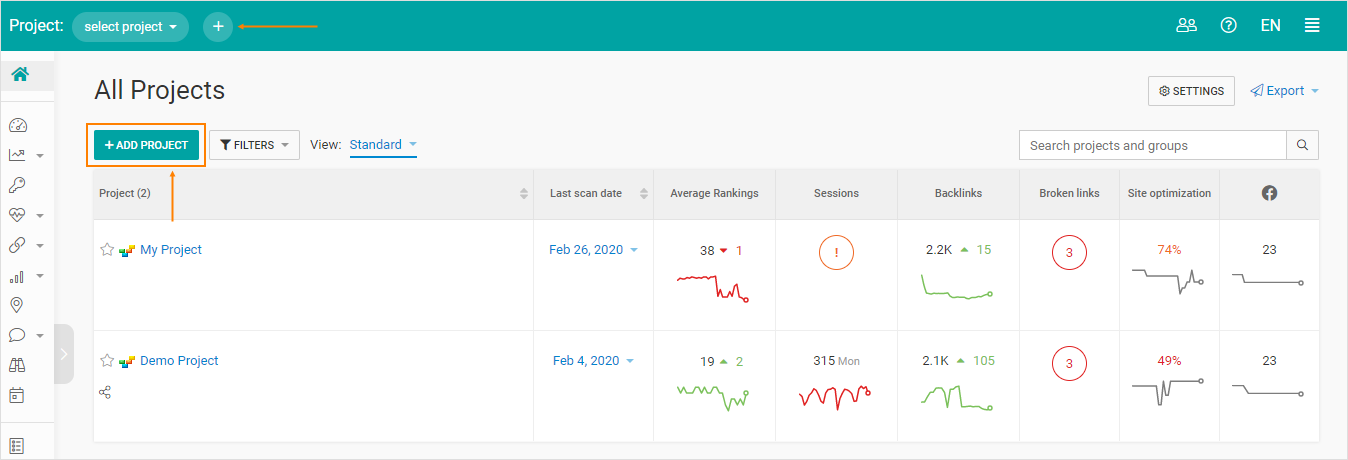
To orchestrate a cohesive response strategy, leverage the CGM SEO Tool to identify patterns in reviews that may indicate recurring issues, allowing you to address systematic weaknesses in your service or product offerings. Crafting a well-thought-out, personalized response can turn a disgruntled customer into a loyal advocate.
It's essential to keep communication channels open; if appropriate, invite the reviewer to resolve the issue privately, perhaps by directing them to a customer service email or phone line, to further address their concerns away from public eyes. Additionally, always maintaining a professional tone in all responses preserves the integrity of your brand and safeguards against further escalation of negativity in public forums.
Furthermore, transparency is key; part of maintaining a positive online reputation involves addressing negative feedback in a manner that reflects accountability. If your company has genuinely made a mistake, acknowledging this can foster goodwill and demonstrate your commitment to continuous improvement.
In this digital age where consumers often conduct thorough research prior to making purchasing decisions, potential customers frequently weigh not only the overall rating of a business but also the manner in which businesses respond to criticism. An adept approach to negative reviews can potentially convert skeptics into buyers, and a well-crafted response can show future clients the brand's commitment to customer satisfaction and willingness to take constructive criticism seriously.
Moreover, brands should invest in actively generating positive reviews as a counterbalance to any negativity; encouraging satisfied customers to share their experiences can create a more favorable perception overall. Implementing strategies that promote the collection of positive feedback, such as post-purchase emails or incentives for reviews, can help facilitate a more balanced review ecosystem that minimizes the adverse impact of negative feedback.
Beyond simply responding to reviews, businesses must engage with the insights gained from them; conducting a thorough analysis of the feedback received can guide strategic decisions regarding product improvements, customer service training, or operational changes, ensuring that patterns of dissatisfaction are addressed at their core. This commitment not only mitigates future negative reviews but also builds a foundation of trust among your customer base.
Nevertheless, it is vital to balance this proactive approach with a clear understanding of damaging reviews that may be baseless or maliciously intended; when faced with such instances, businesses should remain composed and analyze the review impartially. In circumstances where a review is clearly in violation of the platform's guidelines, it may be appropriate to request its removal; however, this should be pursued with caution and only after other avenues have been exhausted.
Leveraging CGM SEO Tool for competitor analysis can provide insights into how others in your industry respond to negative reviews and can aid in formulating your approach. Implementing an ongoing monitoring system for reviews is another critical aspect of managing your online reputation; by regularly analyzing customer feedback and sentiment, businesses can respond in a timely manner, taking care to address new issues as they arise while also recognizing the evolving expectations of their clientele.
This vigilance will not only help in managing negative feedback but also position your brand as a forward-thinking leader in your industry. Furthermore, integrating a strategy that encompasses employee training and cultural shifts toward customer-centric values can provide a robust long-term solution; when all team members understand the importance of customer satisfaction and are empowered to address concerns promptly, the overall quality of service significantly improves.
Investing in a company culture that prioritizes customer relationships will not only reduce the frequency of negative reviews but will also position your business as a reputable entity within your market space. In conclusion, handling negative reviews requires a multifaceted approach encompassing empathy, strategic communication, and continuous improvement; adopting a thoughtful strategy for managing feedback is essential for maintaining a strong online reputation in an increasingly competitive landscape.
Rather than viewing negative reviews as threats, organizations should embrace them as valuable insights that, when addressed effectively, can enhance customer loyalty and encourage a culture of quality and accountability. By integrating these practices into your overall SEO strategy, leveraging comprehensive tools like CGM SEO Tool for insights, and fostering a proactive and responsive brand ethos, you can navigate the complexities of online reviews and establish a formidable presence across digital platforms.