Online Marketing Strategy for Real Estate Agents
In the highly competitive landscape of real estate, an effective online marketing strategy is not merely an option but an absolute necessity for agents seeking to build their brand, attract quality leads, and convert prospects into clients. The urgency to harness the potential of digital marketing is underscored by the fact that the majority of home buyers, approximately 93%, begin their search online, making it paramount for real estate agents to establish a robust digital presence. An effective strategy integrates search engine optimization (SEO), social media marketing, content creation, and a user-centric website experience to position agents not just as realtors but as trusted advisors, ultimately enhancing their online visibility and driving lead generation.
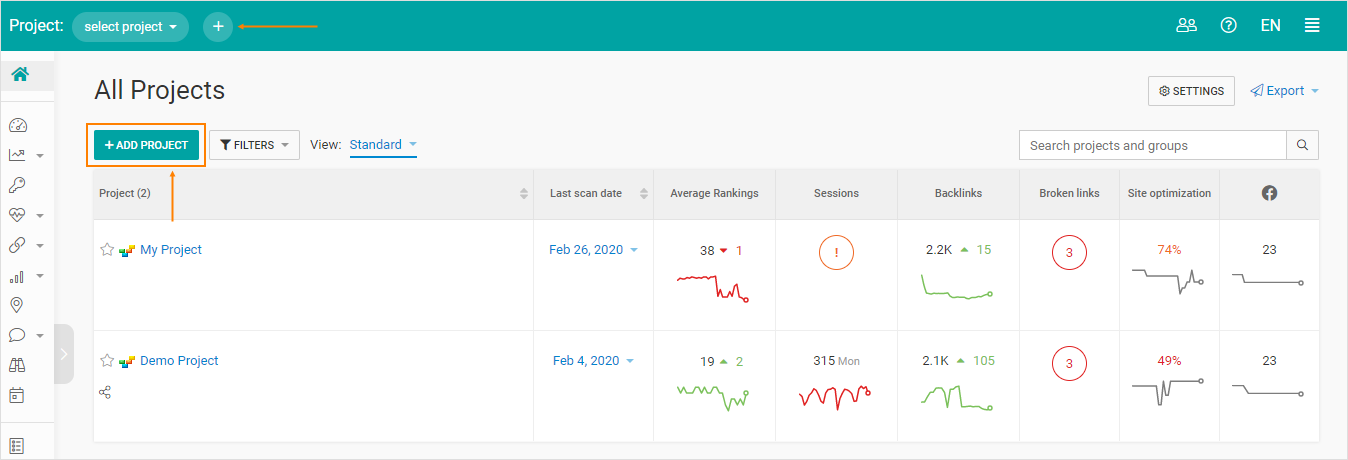
Central to this strategy is the innovative CGM SEO Tool, which provides invaluable insights into keyword research and competitor analysis, allowing agents to identify high-value keywords tailored to their target market, analyze what successful competitors are doing well, and gain a competitive edge in local search results. A strong keyword strategy is essential; it serves as the foundation for content creation, ensuring that articles, blogs, and property descriptions not only resonate with potential clients but are also optimized for search engines to find them. Establishing topical authority begins with understanding the local market dynamics and identifying long-tail keywords that reflect the nuances of client needs-be it "buying a waterfront property in [City]" or "finding the best neighborhoods for families in [Area]." Each piece of content should be crafted to not only attract traffic but also answer relevant questions that potential clients may have.
When crafting property listings, spotlighting unique features, neighborhood amenities, and local schools can enhance relevance and engagement; however, it's crucial to maintain a balance of keyword usage that feels organic rather than forced. Beyond written content, visual media plays a critical role in the online presentation of properties, with high-quality photos and virtual tours providing a richer experience for users. Leveraging platforms like Instagram and Facebook allows agents to share showcase content while engaging with audiences in real-time, creating a dialogue that builds trust and community.
Real estate agents should not overlook the potential of targeted paid advertising campaigns to amplify their reach. Pay-per-click (PPC) ads on Google and social media platforms can be tailored to specific demographics and locations, boosting visibility for listings and driving traffic to the agent's website. A clear, easy-to-navigate website that serves as a central hub for all online activity plays a pivotal role in converting website visitors into leads.
The site must not only feature robust property search functionalities but also include educational content such as blog posts, market reports, and neighborhood guides that address the pain points and curiosities of prospective buyers and sellers. These resources can enhance the agent's credibility as an industry expert while simultaneously improving SEO performance. Implementing lead capture forms and calls-to-action effectively throughout the site can further streamline the process of converting visits to leads.
Email marketing remains a powerful tool within the real estate marketing arsenal, allowing agents to nurture relationships by delivering personalized content that has been segmented based on client interests and behavior. By sending regular updates, newsletters, and market insights, agents can stay top-of-mind with their audience, guiding prospects down the funnel toward eventual conversion. Additionally, the integration of client testimonials and case studies presents an authentic narrative that elevates trustworthiness and serves as persuasive social proof.
To enhance local SEO specifically, real estate agents must ensure their online presence across Google My Business (GMB) is optimized. This includes regularly updating listings with accurate addresses, phone numbers, and operating hours, alongside actively soliciting and managing client reviews-a crucial feature that can significantly influence local search rankings and client perception. The role of social proof cannot be overstated; reviews and testimonials not only aid in attracting new clients but also play a critical role in SEO as they often incorporate local keywords and phrases.
Moreover, developing a video marketing strategy-whether via YouTube or direct engagement on social media-enables agents to highlight their personalities, showcase properties, and provide valuable industry insights. Ultimately, the key to a successful online marketing strategy for real estate agents lies in its flexibility and adaptability. In an ever-evolving digital landscape, agents must continually analyze performance metrics, refine their strategies based on shifting trends, and remain agile to incorporate new tactics alongside traditional marketing efforts.
With the comprehensive capabilities of The Marketing Machine by CGMIMM, real estate professionals can establish a strategic foundation that allows them to scale their digital presence, outperform competitors, and navigate the complexities of modern online marketing with confidence. By implementing these strategies, real estate agents will not only be better positioned to attract clients but also to establish a lasting brand that resonates within their communities, ensuring sustained growth and success in an increasingly digital marketplace.
FAQ
- What is Online Marketing Strategy for Real Estate Agents?
- In the highly competitive landscape of real estate, an effective online marketing strategy is not merely an option but an absolute necessity for agents seeking to build their brand, attract quality leads, and convert pro
- Why does this matter for online marketing?
- Because it helps you attract the right audience, increase qualified traffic, and turn visitors into leads or customers more efficiently.
- What are the first steps to get started?
- Define your goal, identify your audience, choose the right channels (SEO, paid ads, email, social), and track conversions with analytics so you can improve over time.
- What are common mistakes to avoid?
- Relying on vanity metrics, targeting keywords/audiences that don't match intent, inconsistent messaging, and not testing or optimizing based on data.
- How do you measure success?
- Track outcomes tied to your goal: leads, sales, signups, calls, bookings, ROI/ROAS, and the conversion rate from each channel.