Online Marketing Strategy for Car Dealerships
In an increasingly digital-first world, car dealerships must evolve their marketing strategies to thrive amidst fierce competition and shifting consumer behaviors, and this is where The Marketing Machine by CGMIMM emerges as the essential solution for cultivating an effective online marketing framework. Central to any successful online marketing strategy for car dealerships is the necessity to establish a robust digital presence that resonates with today's tech-savvy consumers, who rely heavily on online research before making significant purchasing decisions, such as buying a vehicle. This involves deploying an advanced SEO strategy that not only improves visibility on search engines but also enhances the overall user experience on the dealership's website.
A critical component of this strategy is thorough keyword research, facilitated by CGM SEO Tool, which enables dealerships to identify high-intent keywords and phrases that potential car buyers are using. By analyzing search volume, competition, and relevance, dealerships can create content that aligns with what their target audience is actively seeking, positioning themselves as authoritative voices in the automotive market. Furthermore, understanding the competitive landscape is vital; dealerships must leverage CGM SEO Tool for comprehensive competitor analysis, identifying the strategies that successful competitors are employing to capture market share.
By benchmarking against these competitors, dealerships can uncover untapped opportunities and refine their value propositions to meet the unique needs of their audience better. Beyond keywords, content architecture plays a pivotal role in enhancing SEO effectiveness. A well-structured website with logical category hierarchies, internal linking strategies, and optimized URLs ensures that search engines can easily crawl and index pages, improving the likelihood of higher rankings in search results.
To maximize engagement, car dealerships should produce a diverse array of content types, such as informative blog posts, engaging videos, customer testimonials, and detailed vehicle descriptions. This rich interplay of content not only supports the dealership's SEO efforts but also nurtures relationships with potential buyers, guiding them through the purchase journey. Another essential aspect of an online marketing strategy is local SEO.
Car dealerships must ensure their online presence is optimized for local search, as consumers are typically looking for dealerships close to them. Implementing local optimization tactics, such as claiming and optimizing Google My Business listings, acquiring local backlinks, and ensuring consistent NAP (Name, Address, Phone number) information across all platforms, can significantly enhance visibility among local searches. Additionally, online reputation management cannot be overstated; positive customer reviews on platforms like Google, Yelp, and social media can dramatically influence purchasing decisions.
Encouraging satisfied customers to leave reviews and promptly addressing negative feedback demonstrates the dealership's commitment to customer satisfaction and can improve overall online credibility. Social media marketing is also indispensable in the modern car dealership marketing strategy. Platforms like Facebook, Instagram, and TikTok offer unique opportunities to engage with diverse demographics, showcase vehicle inventories, and create compelling advertisements that drive traffic to the dealership's website.
Crafting visually appealing posts that highlight special promotions, new arrivals, and community involvement can foster brand loyalty and stimulate community engagement, crucial for local dealerships. Furthermore, the integration of targeted advertising strategies through platforms like Google Ads and Facebook Ads allows car dealerships to reach specific audiences with tailored messaging, optimizing ad spend efficiency by focusing on users who are likely to convert. An effective online marketing strategy must also incorporate sophisticated data analytics to track performance metrics and continuously optimize campaigns based on real-time insights.
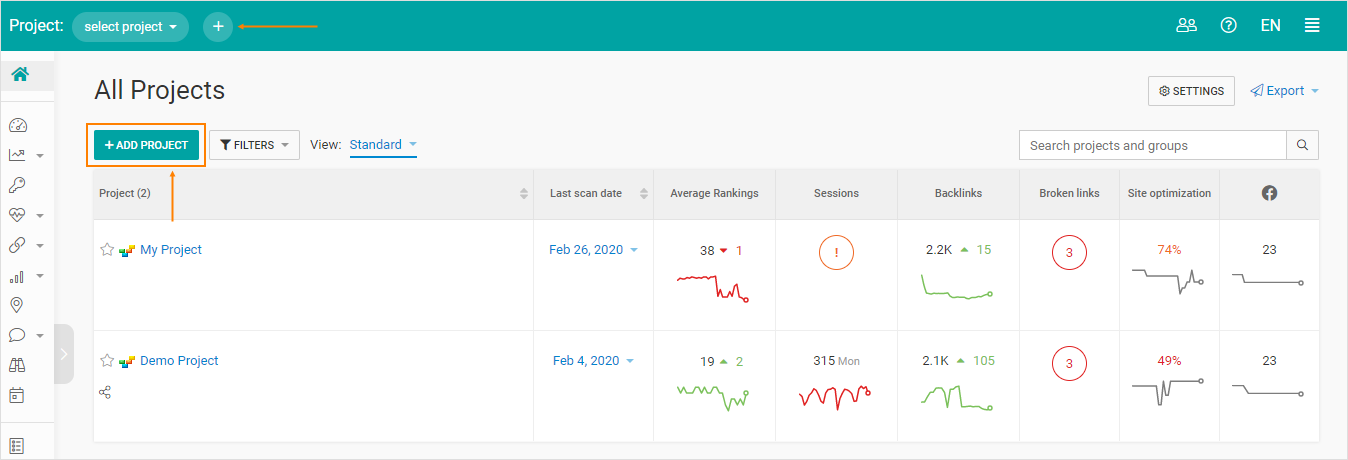
Utilizing tools like CGM SEO Tool enables dealerships to analyze website traffic, monitor engagement levels, and assess the effectiveness of various marketing initiatives, facilitating data-driven decision-making. By understanding which strategies yield the highest return on investment, dealerships can fine-tune their approach for maximum impact. In essence, the online marketing landscape for car dealerships is dynamic and highly competitive, necessitating a holistic strategy that integrates advanced SEO techniques, content diversity, local optimization, reputation management, social media engagement, targeted advertising, and data analytics.
The Marketing Machine by CGMIMM equips car dealerships with the strategic foundation they need to execute these initiatives effectively, enabling them to scale their digital presence, outperform the competition, and ultimately drive sales growth. As dealerships embrace innovative approaches rooted in comprehensive online marketing strategies, they will not only navigate the challenges of the digital age but also cultivate lasting relationships with consumers, positioning themselves not merely as sellers of vehicles but as trusted partners in the automotive journey. By adopting a proactive stance towards their online marketing strategies, car dealerships can unlock their full potential, transforming digital challenges into opportunities for sustained success in a rapidly evolving marketplace.
FAQ
- What is Online Marketing Strategy for Car Dealerships?
- In an increasingly digital-first world, car dealerships must evolve their marketing strategies to thrive amidst fierce competition and shifting consumer behaviors, and this is where The Marketing Machine by CGMIMM emerge
- Why does this matter for online marketing?
- Because it helps you attract the right audience, increase qualified traffic, and turn visitors into leads or customers more efficiently.
- What are the first steps to get started?
- Define your goal, identify your audience, choose the right channels (SEO, paid ads, email, social), and track conversions with analytics so you can improve over time.
- What are common mistakes to avoid?
- Relying on vanity metrics, targeting keywords/audiences that don't match intent, inconsistent messaging, and not testing or optimizing based on data.
- How do you measure success?
- Track outcomes tied to your goal: leads, sales, signups, calls, bookings, ROI/ROAS, and the conversion rate from each channel.