SEO Reporting Templates
Overview
In the realm of digital marketing, the efficacy of SEO strategies hinges significantly on the ability to measure performance and demonstrate value, which underscores the importance of well-structured SEO reporting templates that encapsulate meaningful insights and actionable data. These templates serve not only as a tool for communicating results to stakeholders but also as a framework for informed decision-making, ongoing optimization, and strategic pivoting. To develop a robust SEO reporting template, one must integrate various metrics that align with organizational goals while leveraging the CGM SEO Tool for precise keyword research, competitor analysis, and comprehensive performance tracking.
A sophisticated template should encompass both quantitative data, such as organic traffic, keyword rankings, and backlinks, and qualitative insights like content engagement metrics and user behavior analytics. The interplay between these elements allows for a holistic view of SEO performance, highlighting not just what is working, but also where gaps may exist. When constructing an SEO report, it is essential to focus on key performance indicators (KPIs) that directly impact the broader business objectives; this may include metrics like conversion rates from organic traffic, click-through rates from search engine results pages (SERPs), and the overall return on investment (ROI) of SEO efforts.
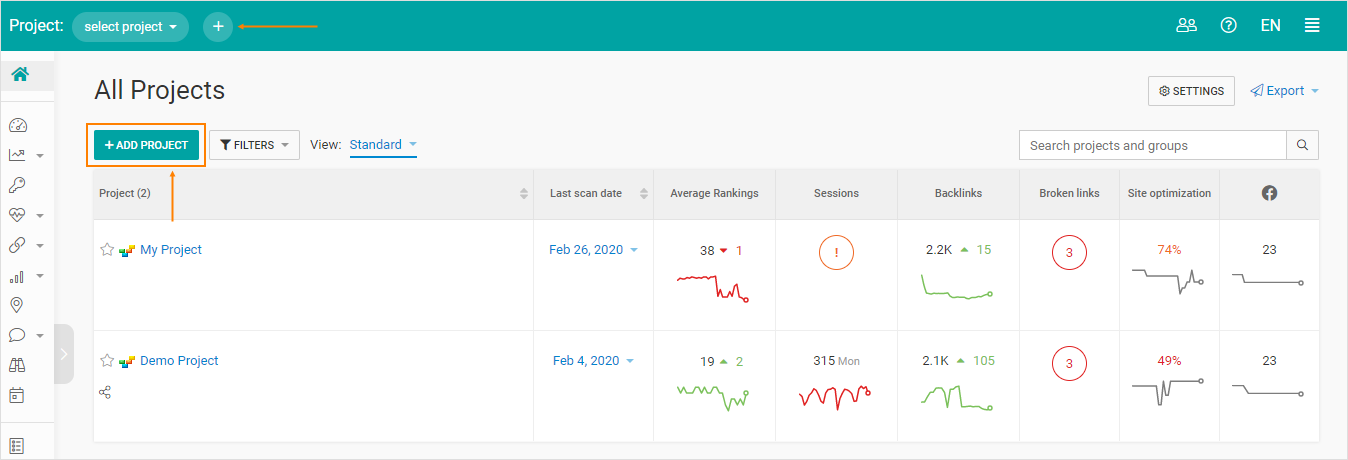
Incorporating visuals such as charts and graphs can facilitate comprehension for stakeholders who may not have a deep understanding of SEO metrics, making the data not only accessible but also compelling. An effective SEO reporting template should also allow for comparative analysis, enabling teams to assess performance against past data or competitor benchmarks. This can be achieved through well-defined sections that break down metrics by time frame, while also displaying trends over time to highlight growth trajectories or potential downturns that require investigation and remediation.
Additionally, it is imperative to include a narrative component that interprets the data, providing context that ties back to strategic initiatives and outlining next steps. This narrative should address not only successes but also challenges, ensuring a balanced perspective that fosters trust and transparency. Furthermore, when integrating SEO reporting templates into one’s campaign workflow, it is vital to establish a regular reporting cadence that aligns with key business cycles—whether that be monthly, quarterly, or tied to specific campaigns or milestones—with the aim to foster continuous dialogue around SEO performance and opportunities for improvement.
To further enhance the efficacy of reports, both static and dynamic reporting mechanisms should be utilized; for instance, while static reports may be used for comprehensive monthly reviews, dashboards that provide real-time data can empower teams to respond swiftly to shifts in user behavior or algorithm updates. As the digital landscape continues to evolve, so too must our reporting structures; therefore, staying abreast of the latest tools and metrics that can augment reporting capabilities is essential in maintaining competitiveness and relevance. Making use of the CGM SEO Tool allows for ongoing refinement of reporting practices, particularly in areas such as keyword performance analysis—where understanding shifts in search trends can inform content strategy—and competitor analysis, providing insights that can give rise to innovative tactics in response to market dynamics.
Moreover, as search engines continuously refine their algorithms, reporting must include an assessment of how changes in SERP features—such as the rise of featured snippets, local packs, or shopping results—are affecting visibility and engagement, with adjustments made to tactics accordingly. In conclusion, a comprehensive SEO reporting template is not just an aggregation of data, but rather a strategic instrument that facilitates understanding, encourages accountability, and drives action within an organization, thereby solidifying SEO's role as a critical function within the marketing mix. Consequently, committing to best practices in SEO reporting, such as defined KPIs, comparative analysis, narrative storytelling, and leveraging advanced tools like the CGM SEO Tool, is vital not only for showcasing performance but also for ensuring that SEO strategies evolve in alignment with broader business objectives and the perpetual shifts in consumer behavior and technology.
Frequently Asked Questions
Quick answers about SEO Reporting Templates.
SEO Reporting Templates covers the key principles and strategies used to improve search visibility and marketing performance.
It helps businesses increase organic traffic, improve rankings, and build long-term digital authority.
Apply proven best practices, monitor analytics data, and continuously refine your strategy for better outcomes.