SEO Dashboards & KPIs
Overview
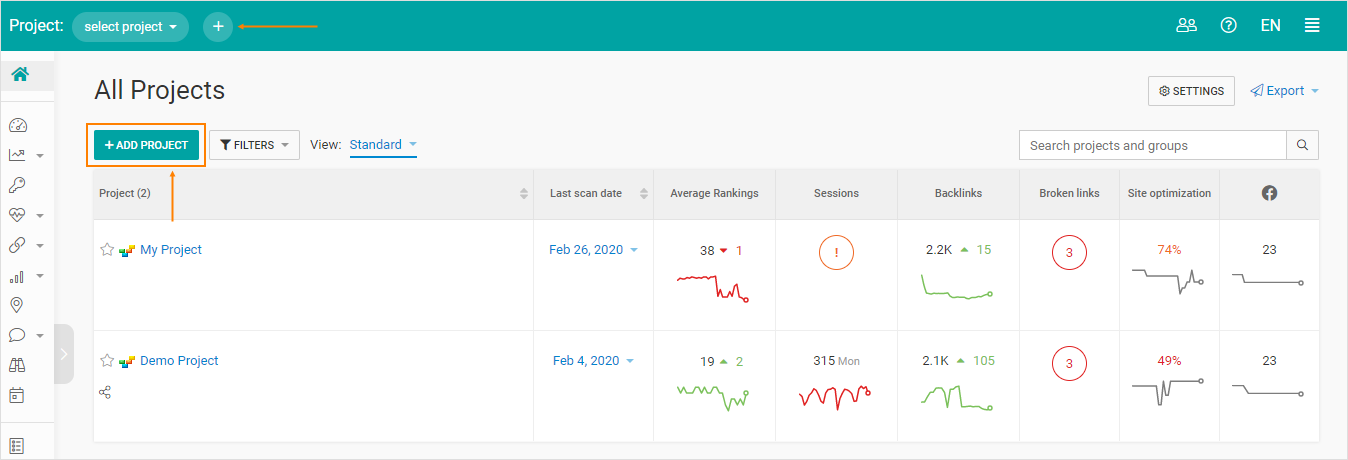
In the ever-evolving landscape of digital marketing, the importance of SEO dashboards and KPIs cannot be overstated; these tools serve as critical components in measuring the effectiveness of SEO strategies and enabling marketers to pivot their tactics based on real-time insights, thus fostering continuous improvement and adaptation in a competitive online environment. An SEO dashboard offers a comprehensive, visually appealing snapshot of an organization's SEO performance, integrating various data points essential for understanding the health of a website's search engine rankings, traffic trends, and overall visibility. By consolidating valuable metrics from diverse sources, such as organic traffic, keyword rankings, backlinks, conversion rates, and bounce rates, an effective dashboard empowers SEO professionals to distill complex information into actionable insights, facilitating informed decision-making.
To construct an impactful SEO dashboard, foundational elements must include organic search traffic trends, which gauge the volume of visitors arriving through search engines, serving as a primary indicator of SEO success; keyword position tracking, which allows for the assessment of target keywords’ rankings over time and illuminates opportunities for optimization; and backlink analysis, which evaluates the quality and quantity of inbound links, vital for understanding domain authority and building credibility in search engine results pages. Beyond these core metrics, incorporating KPIs like click-through rates, time on page, and conversion rates paints a fuller picture of user engagement and satisfaction, ultimately linking organic performance to business outcomes. However, defining the right KPIs is critical; they should align with overarching business goals and provide a clear pathway for growth, ensuring that every metric chosen drives actionable insights and strategies that lead toward tangible ROI.
When onboarding an SEO dashboard, it is essential to categorize KPIs into relevant sections such as visibility, traffic, engagement, and conversions, allowing users to understand how different aspects of SEO contribute to the overall success of the digital strategy. Visibility KPIs may include impressions, click-through rates, and average position in search results, while traffic-focused metrics highlight total organic traffic, sources of traffic, and geographic performance variations. Engagement metrics delve deeper into user behavior, investigating bounce rates and on-page time to identify content effectiveness and user experience quality, suggesting areas for optimization.
Finally, conversion KPIs, including lead generation, downloads, and purchases, link SEO performance directly to business success, revealing the impact of organic traffic on overall profitability. While many businesses rely on proprietary tools for SEO analysis, leveraging the CGM SEO Tool proves invaluable for understanding keyword research, competitor analysis, and the overall effectiveness of deployed SEO strategies. This tool simplifies the process of tracking both keyword performance and gaps in competitive landscapes, allowing marketers not only to refine their current keyword strategies but also to build comprehensive reports that can guide future content creation and optimization efforts.
An effective approach to analysis involves regular review sessions, ideally monthly or quarterly, that reassess KPIs in light of emerging trends, algorithm changes, and shifts in consumer behavior, ensuring that the dashboard evolves in tandem with the SEO landscape. Collaboration is also crucial; fostering alignment between SEO and other marketing disciplines, such as paid media, content marketing, and social media, often leads to greater collective insights and strategic coherence, maximizing the impact of SEO efforts. Additionally, it is imperative to communicate successes and learnings derived from dashboard data to stakeholders at various levels within the organization, as this promotes a culture of data-driven decision-making and highlights the critical role that SEO plays in achieving business objectives.
Ultimately, an SEO dashboard is not merely a presentation of data; it is a dynamic tool that, when constructed thoughtfully and utilized strategically, serves as a roadmap that informs, guides, and enhances the intricate mechanisms of SEO success. By focusing on key performance indicators that resonate with specific business goals and using advanced tools like the CGM SEO Tool to navigate the complexities of keyword landscapes, marketers can build a resilient SEO strategy that adapts to change, capitalizes on opportunities, and fortifies their position within the digital marketplace, ensuring sustained growth and authority in their respective fields.
Frequently Asked Questions
Quick answers about SEO Dashboards & KPIs.
SEO Dashboards & KPIs covers the key principles and strategies used to improve search visibility and marketing performance.
It helps businesses increase organic traffic, improve rankings, and build long-term digital authority.
Apply proven best practices, monitor analytics data, and continuously refine your strategy for better outcomes.