Off-Page SEO Basics
Overview
Off-page SEO is a critical dimension of digital marketing that extends beyond the traditional on-page optimization tactics, playing a significant role in establishing a website’s credibility, authority, and overall visibility within search engine results pages (SERPs). While on-page strategies like keyword optimization, content quality, and user experience focus on improving the elements of the site itself, off-page SEO revolves around the external factors that influence how search engines assess a site’s relevance and trustworthiness. Central to off-page SEO are backlinks, which serve as a primary metric for search engines in determining a site’s authority; they act as votes of confidence from other domains, suggesting that your content is valuable and credible.
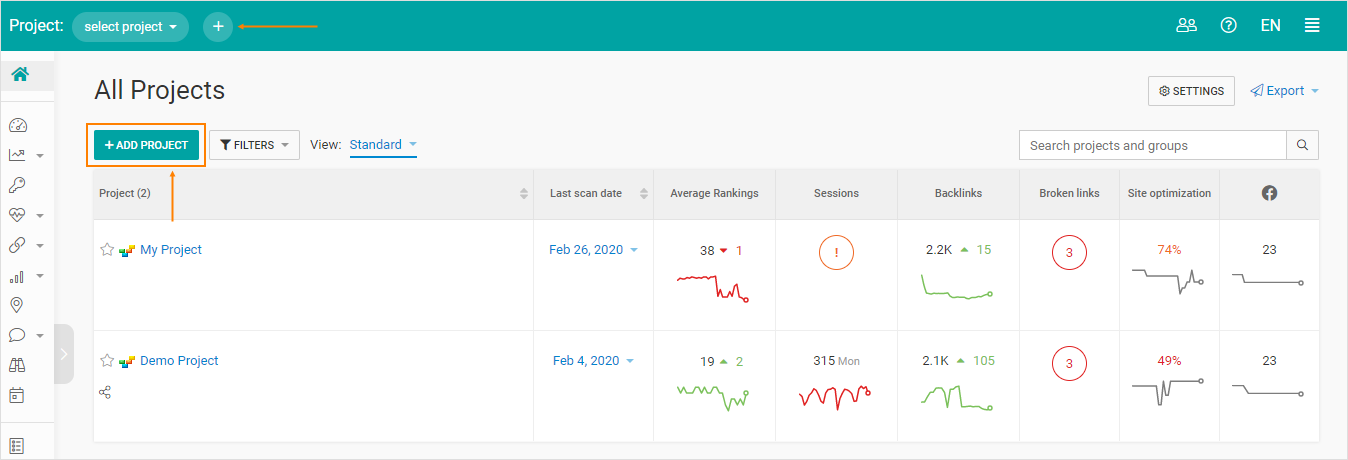
Therefore, understanding the intricacies of link-building is essential. Quality over quantity is the golden rule; a few links from reputable, authoritative sites can far surpass numerous links from low-quality or irrelevant sources. This is where employing the CGM SEO Tool becomes invaluable, facilitating in-depth analysis of potential backlink sources and helping to identify competitors' linking strategies.
Moreover, content marketing plays a critical role in supporting link-building efforts as great content naturally attracts links. Engaging articles, infographics, and videos can drive organic shares, increasing the likelihood of backlinks from other relevant websites. Networking with influencers in your industry also enhances this process, allowing for guest posting opportunities which create high-quality backlinks while establishing your brand as a thought leader.
Another essential aspect of off-page SEO is social media engagement, which, while not directly influencing rankings, amplifies content visibility and the potential for backlinks. When your content is shared across reputable social media channels, it not only reaches a wider audience but can incite discussions that further lead to backlinks from publishers and bloggers motivated by the attention your content garners. Furthermore, online reputation management is crucial; maintaining a positive public image with a focus on customer satisfaction can lead to online reviews and testimonials that communicate trustworthiness to potential visitors and search engines alike.
Directories and local listings also play a vital role in off-page SEO, catering to local search optimizations—especially for businesses with physical locations. Ensuring that your business is accurately listed across platforms like Google My Business, Yelp, and industry-specific directories strengthens your local SEO strategy and enriches your backlink profile. Additionally, it fortifies your brand's relevance in local searches.
Moreover, the concept of brand mentions, even without linking, plays a significant role in off-page SEO. When reputable sites mention your brand, it signals trust to search engines, contributing to building authority and relevance in your niche. Monitoring brand mentions through tools and strategies can help identify opportunities for engagement and relationship-building that can convert these mentions into valuable backlinks.
The digital landscape is ever-evolving; therefore, staying abreast of the latest algorithm updates and SEO best practices is essential for maintaining off-page SEO effectiveness. Regular audits using tools like the CGM SEO Tool will help assess your current backlink profile, identify harmful links that may arise, and adjust your strategy for future growth. Addressing toxic backlinks and implementing a disavow strategy is often as crucial as acquiring new, high-quality links, preserving your site’s authority in the long run.
Finally, patient persistence is key with off-page SEO as it is a long-term strategy that requires consistent effort and adaptation to an ever-changing digital environment. In summary, off-page SEO encompasses various facets tailored to enhance a website's authority and backlink profile, including strategic link-building, content marketing, social media engagement, reputation management, and local listings, all while continually monitoring and adapting to the SEO landscape for sustained success. Understanding and implementing off-page SEO effectively can propel your site's visibility, enhance your brand's online presence, and ultimately drive more traffic, conversions, and success in achieving your business goals.
Frequently Asked Questions
Quick answers about Off-Page SEO Basics.
Off-Page SEO Basics covers the key principles and strategies used to improve search visibility and marketing performance.
It helps businesses increase organic traffic, improve rankings, and build long-term digital authority.
Apply proven best practices, monitor analytics data, and continuously refine your strategy for better outcomes.