How to Build Local Authority for Each Location
In an era where local search optimization can make a significant difference in a brand's visibility and engagement, building local authority for each location is crucial for businesses aiming to thrive in their respective markets. It begins with a profound understanding of how search engines process local queries and the mechanics behind local ranking factors.
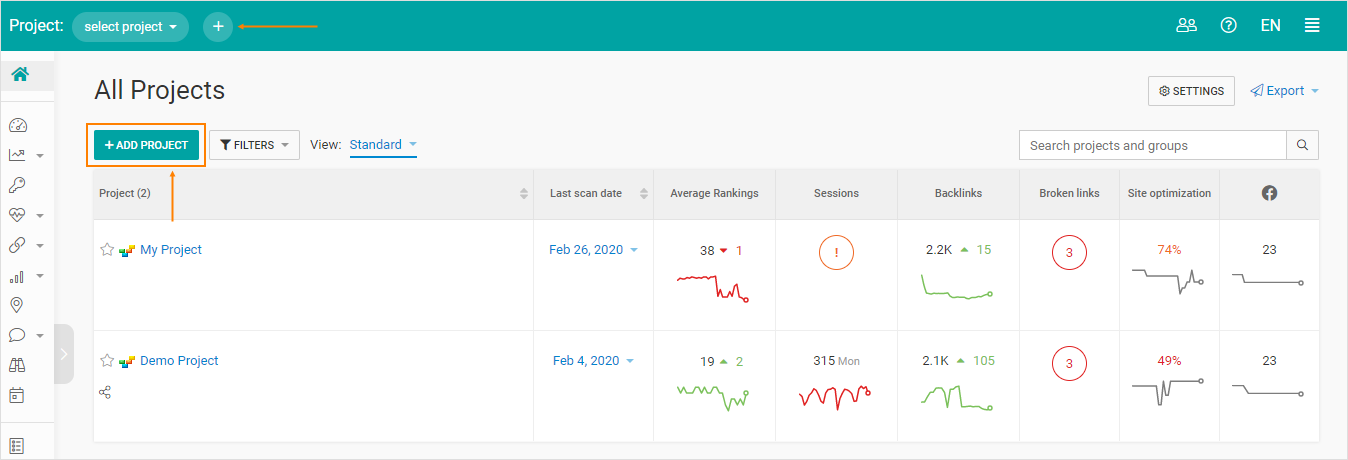
The core principle is to develop a multi-faceted local SEO strategy that robustly targets the specific communities you serve. Start by conducting thorough keyword research using powerful tools like CGM SEO Tool to identify relevant local search terms that potential customers in each location are using.
This entails not just generic keywords but also long-tail variations that signify intent, such as "best coffee shop in [city]" or "affordable plumbing services near me." Once you've established a foundational keyword list tailored to each locality, it is essential to integrate these keywords purposefully across your on-page content, meta tags, headers, and descriptive alt texts for images to enhance relevance. Furthermore, Google My Business (GMB) is an invaluable asset for local authority, as optimizing your GMB listing enhances visibility in local pack results and maps; ensure you provide comprehensive information, including NAP (Name, Address, Phone Number) consistency across all online directories, business hours, service offerings, and high-quality images that resonate with the local audience.
To strengthen your local authority, it's critical to solicit and manage customer reviews actively, as positive testimonials not only enhance trust but also serve as user-generated content that signals authenticity to search engines. Encourage satisfied customers to leave reviews on your Google My Business profile and other relevant platforms specific to your industry.
Furthermore, response to reviews, whether positive or negative, showcases your commitment to customer service and enhances brand reputation. Consider developing location-specific landing pages tailored for each area you serve; ensure these pages are rich with localized content that speaks directly to the community, featuring local landmarks, events, and cultural nuances that resonate with the audience and give them a reason to connect with your brand.
This optimization strategy not only improves keyword relevance but also elevates user engagement and dwell time, contributing positively to SEO performance. Additionally, building local authority involves forging relationships with other local businesses, organizations, and influencers; implement a robust outreach strategy that encourages guest blogging, co-hosting events, and sponsoring local initiatives in exchange for backlinks, as these local link-building opportunities can significantly bolster your domain authority.
On top of this, being active in local community events and sponsorships not only enhances visibility but creates organic content opportunities for PR that can elevate brand presence in local media and online publications. Integrating local schema markup into your website is another advanced tactic that signals to search engines the specific geographic location, services, and business type; this structured data enhances the presentation of your business in search results and can result in rich snippets that make your business stand out.
Keep abreast of updates and changes in local SEO best practices, as search engines continuously evolve their algorithms, and staying informed will enable you to adapt your strategies promptly. Utilizing analytics tools, including CGM SEO Tool, allows you to monitor performance metrics, such as local traffic, keyword rankings, and user engagement, enabling you to assess the effectiveness of your local SEO initiatives and make informed adjustments as necessary.
In addition to all these strategies, leveraging social media to promote location-specific content, events, and campaigns further engages the local customer base, driving traffic to your site while enhancing your authority in those regions. Remember, building local authority is not a one-time task but an ongoing process that requires periodic reviews to ensure that your strategies are aligned with local market needs and changing consumer behaviors.
Ultimately, the goal should be to create a credible online presence that resonates with the local audience, fosters genuine community connections, and positions your business as the go-to authority in each location served, generating improved ranking signals that can propel your website to the forefront of search engine results pages and deliver measurable business growth in local markets.