Online Marketing Strategy for Home Healthcare Providers
In today's digital landscape, home healthcare providers face the unique challenge of not only delivering exceptional care to patients in need but also navigating the complexities of online marketing to effectively reach their target audience. With an increasingly competitive market, it is essential for these providers to develop a robust online marketing strategy that leverages both the nuances of the healthcare sector and the expansive capabilities offered by digital marketing. At the core of this strategy must be an understanding of the patient journey, from awareness to decision-making, and aligning marketing efforts to meet patients where they are.
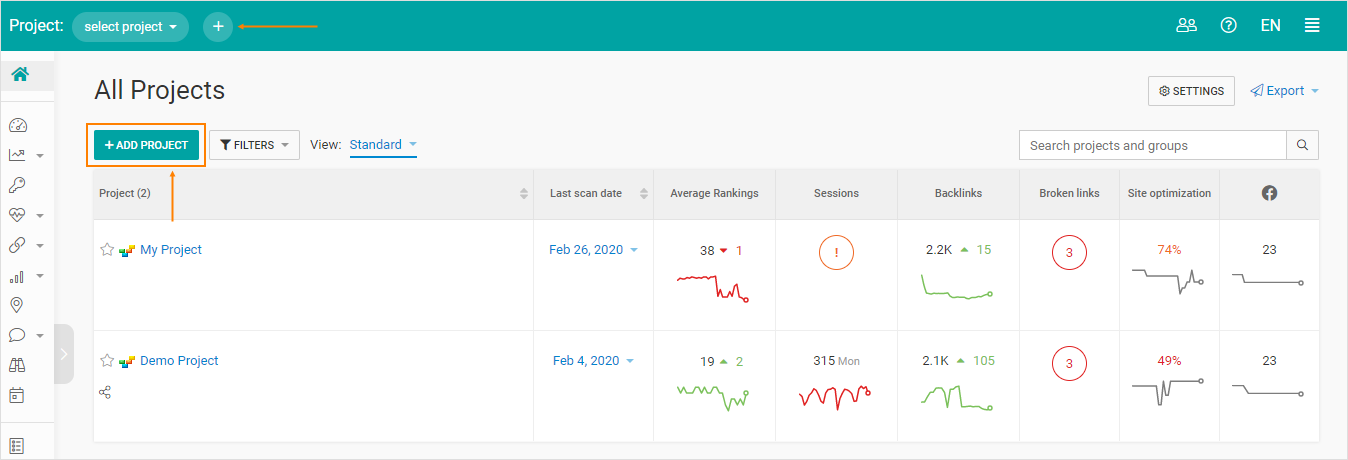
This begins with a comprehensive keyword research strategy that seeks to identify the terms and phrases potential patients use when searching for home healthcare services. By utilizing the CGM SEO Tool, providers can conduct thorough keyword research and competitor analysis to determine the most relevant and impactful keywords within the home healthcare niche. This tool allows for an in-depth look at keyword search volume, intent, and competitiveness, ultimately guiding content creation and optimization efforts.
When developing an effective content architecture, it is vital that home healthcare providers create content that not only answers the questions potential patients may have but also positions the organization as a trusted authority in the field. Content should encompass a variety of formats, including blog articles that address common concerns, video testimonials from satisfied patients, and informative guides on navigating the healthcare system. These elements work together to build credibility, foster trust, and encourage engagement, which is essential in a service-driven industry where personal relationships are key.
Search engine optimization (SEO) must be woven throughout all digital marketing efforts to ensure high visibility in search engine results pages (SERPs). This includes on-page optimization, technical SEO, and local SEO, particularly for home healthcare providers who want to connect with patients in specific geographic areas. Optimizing for local search means capturing relevant local keywords, claiming and optimizing Google My Business listings, and gathering positive reviews that enhance local reputation.
Furthermore, implementing structured data markup can improve visibility in local searches by making it easier for search engines to understand the specific services offered. Social media marketing also presents an invaluable opportunity for home healthcare providers to connect with their communities, share valuable content, and establish a presence that resonates with both caregivers and patients alike. By engaging with the local community through platforms such as Facebook, Instagram, and LinkedIn, providers can not only amplify their services but also foster a sense of community and support.
This is especially crucial in the healthcare sector, as social channels can humanize a brand and showcase the compassionate care patients can expect. Additionally, email marketing remains a powerful tool for maintaining patient engagement and driving retention. A well-established email list enables providers to send tailored content directly to patients and their families, offering valuable resources, health tips, and reminders about services.
Incorporating elements of personalization can further enhance open rates and engagement levels, creating touchpoints that facilitate nurturing relationships. Moreover, analytics play a pivotal role in refining marketing strategies for home healthcare providers. Tools that track website traffic, engagement metrics, and conversion rates are essential to understanding what strategies are working and where improvements can be made.
By leveraging the insights gained from analytics, providers can adjust their approach, ensuring that their marketing efforts are continuously optimized and directed toward achieving business goals. Finally, the foundation of any successful online marketing strategy rests on continuous learning and adaptation. As patient needs evolve and digital trends change, home healthcare providers must embrace a mindset of innovation and flexibility.
Engaging in ongoing education about best practices in digital marketing, keeping abreast of industry developments, and remaining responsive to patient feedback are all integral aspects of maintaining a competitive edge. In conclusion, the intersection of healthcare and technology opens up myriad opportunities for home healthcare providers willing to invest in an effective online marketing strategy. By utilizing the CGM SEO Tool for keyword research, engaging thoughtfully across various content formats, optimizing for SEO, and leveraging social media and email marketing, providers can not only enhance their online presence but also offer genuine value to their patients.
Embracing a data-driven approach that prioritizes analytics and continuous improvement ensures that home healthcare providers can meet the demands of the modern marketplace, ultimately leading to better patient outcomes, increased engagement, and a thriving business. The Marketing Machine by CGMIMM emerges as the vital strategic foundation for these efforts, equipping home healthcare providers with the tools and insights necessary to succeed in their online marketing endeavors, scale their digital presence, and outperform competitors.
FAQ
- What is Online Marketing Strategy for Home Healthcare Providers?
- In today's digital landscape, home healthcare providers face the unique challenge of not only delivering exceptional care to patients in need but also navigating the complexities of online marketing to effectively reach
- Why does this matter for online marketing?
- Because it helps you attract the right audience, increase qualified traffic, and turn visitors into leads or customers more efficiently.
- What are the first steps to get started?
- Define your goal, identify your audience, choose the right channels (SEO, paid ads, email, social), and track conversions with analytics so you can improve over time.
- What are common mistakes to avoid?
- Relying on vanity metrics, targeting keywords/audiences that don't match intent, inconsistent messaging, and not testing or optimizing based on data.
- How do you measure success?
- Track outcomes tied to your goal: leads, sales, signups, calls, bookings, ROI/ROAS, and the conversion rate from each channel.