Local Intent vs Informational Intent
In the ever-evolving landscape of search engine optimization, understanding the nuances between local intent and informational intent is paramount for crafting a successful SEO strategy, particularly for businesses that wish to capitalize on geography-based searches or those that aim to establish authority through informative content. Local intent searches are those queries where the search engine user is demonstrating a desire to find products or services in close proximity to their current location or a defined area, often triggered by location-specific keywords like "near me," "in [location]," or "closest." This type of intent is especially relevant for brick-and-mortar businesses such as restaurants, local service providers, and retail stores, as these searches often indicate a higher propensity to convert; users conducting local searches are frequently in the consideration stages of the buying journey and are ready to engage with businesses that meet their geographic criteria.
On the flip side, informational intent encompasses a broader range of searches where the user is seeking knowledge or answers to questions without a specific locality in mind. These queries focus on gaining insights, understanding concepts, or solving problems, and are often populated by question-based keywords or general topics - think phrases like "how to," "what is," and "tips for." While these searches may not directly signal immediate purchasing intent, they are crucial for establishing topical authority and can help categorize a website as an expert in its field, positioning it favorably within the search results through high-quality, informative content.
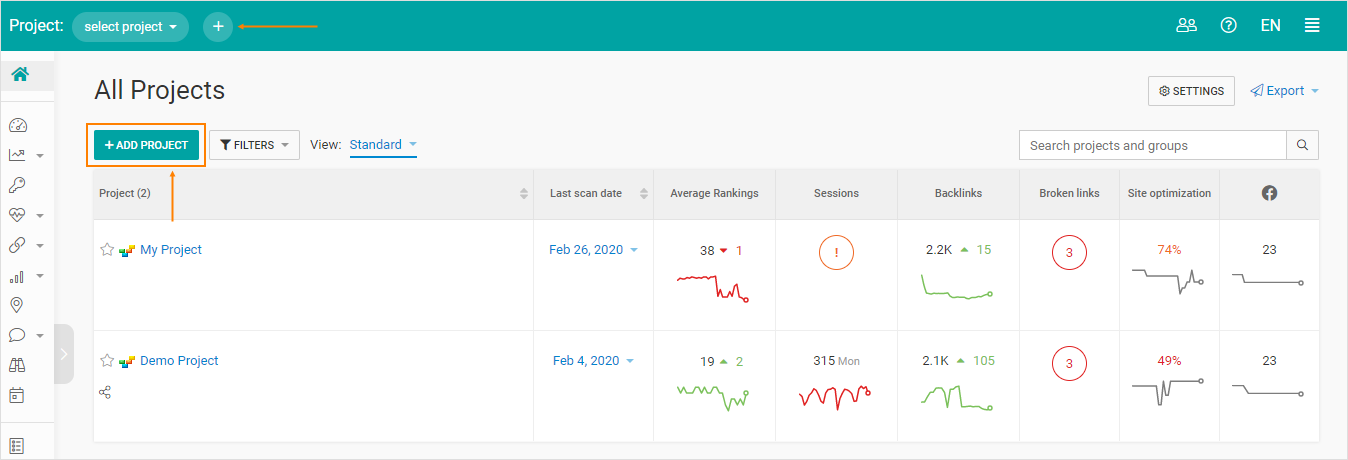
For businesses and digital marketers, distinguishing between these two types of intent is critical when performing keyword research and developing content strategies, which can be efficiently conducted using the CGM SEO Tool to assess keyword volumes, search behavior, and competitive landscape. By utilizing the CGM SEO Tool, marketers can identify local keywords that attract traffic to their locations while also uncovering high-value informational keywords that can enhance their site's domain authority.
Moreover, creating content that aligns with local intent typically involves optimizing Google My Business listings, ensuring local citations are accurate, and incorporating location-based keywords throughout on-page and off-page strategies, all of which can drive visibility in local search pack results and map listings. Since Google's algorithm is increasingly sophisticated in interpreting search intent, it's important to provide content that answers user queries in a robust, detailed manner.
Implementing schema markup for local businesses can also help signal clear information about hours of operation, address, and services offered, further bolstering local SEO efforts. Conversely, content crafted for informational intent should be designed to educate users; articles, how-to guides, video tutorials, and in-depth explanatory content not only improve the user experience but also encourage backlinks from authoritative sites, enhancing overall domain authority.
By honing in on semantic keywords related to informational content, businesses can cast a wider net, attracting users who may not have an immediate need but could convert down the line when they're ready to make a purchase. It is also beneficial to understand that many queries don't fit neatly into one category, and users often navigate between local and informational intent, especially in the research phase of the customer journey.
For instance, a user may start with an informational query such as "best pizza recipes" and subsequently shift to a local intent query like "pizza restaurants near me" when they decide it's time to eat out. This behavior underscores the importance of creating a well-structured content ecosystem that addresses both intents; by interlinking local and informational content, a site can guide users through their decision-making process while keeping them engaged, significantly enhancing user retention and dwell time, both of which are critical signals to search engines.
As you build out your content strategy, consider the potential of utilizing blog posts that tackle common questions related to your niche alongside localized landing pages targeting specific services or products in your geographic area, effectively catering to both intents and ensuring a comprehensive approach to SEO. Furthermore, applying data-driven insights by analyzing competitor strategies can illuminate gaps in content that your brand can fill.
For instance, if competitors are excelling in informational content but not addressing local queries effectively, there's an opportunity to capture that audience by developing informative pieces that also highlight local relevance. Staying attuned to evolving local search trends, such as the growing importance of mobile searches and voice-activated queries, can also guide your strategy to remain ahead of the curve.
Understanding how Google prioritizes content based on search intent will further aid in creating targeted, relevant content that meets user needs and drives organic traffic. In conclusion, recognizing and strategically implementing both local intent and informational intent into your SEO efforts is essential for maximizing visibility and conversion potential.
A holistic approach that leverages the strengths of each intent type, paired with powerful tools like the CGM SEO Tool, will empower your business to carve out a sustainable competitive advantage in its local marketplace while simultaneously establishing itself as a trusted authority in its niche, leading to a stronger online presence and increased customer engagement.