Local Entity Optimization
Local Entity Optimization (LEO) is a systematic approach to enhancing a business's online presence within its geographic community, fundamentally addressing the nuances of local search engine optimization that differ from global strategies. In the age where consumer behavior is increasingly driven by localized queries-"near me" searches skyrocketing and mobile technology facilitating instant information access-it's essential for businesses to not only establish a digital footprint but to refine their local presence to align with search engines' algorithms, which prioritize relevance and proximity in delivering results.
At the heart of LEO is the concept of creating a robust local entity which encapsulates all relevant information about a business, including name, address, phone number-collectively referred to as NAP-alongside operating hours, services provided, and even geographical markers within listings. This foundational data must be accurate and consistent across various platforms, which is critical for search engines like Google to effectively index and rank local businesses.
One of the primary vehicles for LEO is Google Business Profile (GBP), the vital platform that enables businesses to manage their online presence on Google Search and Maps. Correctly optimizing this profile involves more than just filling out fields; it requires an understanding of how to leverage features like posts, photos, and Q&A sections to engage potential customers.
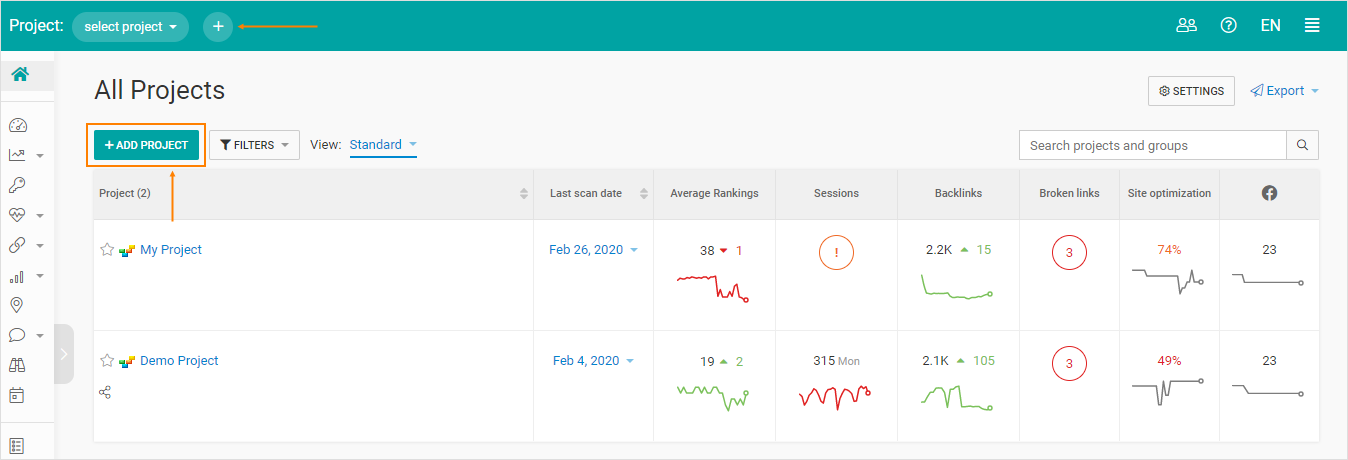
Additionally, leveraging advanced tools such as the CGM SEO Tool can facilitate keyword research specific to local markets, offering insights into terms and phrases that prospective customers use, which in turn can shape content strategies that resonate on both search engines and social media platforms. As context is king, it's important to implement local keywords naturally into the business's website and blogs, thereby reinforcing topical authority in the eyes of search engines, illustrating to both users and algorithms that the business is the go-to authority in its area of expertise while also localizing those efforts.
Another significant pillar of LEO is the accumulation of local backlinks, which serve as endorsements from other local entities or relevant websites, signaling to search engines the credibility and relevance of a business. By actively engaging in community sponsorships, local events, or partnerships, businesses can generate valuable links that bolster their authority in local search results.
Furthermore, it's essential to embrace customer reviews as a dual-force tool; they not only influence local rankings but also impact consumer trust. Encouraging satisfied customers to leave positive feedback on Google and other review platforms can significantly elevate a business's visibility and attractiveness when prospective customers search within the local landscape.
Beyond the technical aspects, leveraging schema markup-specifically local business schema-is a powerful way to enhance search engine understanding of a business's offerings and location, enriching search results with rich snippets that can increase click-through rates and engagement. Social media also plays a crucial role in local entity optimization, as platforms like Facebook and Instagram can offer businesses an opportunity to engage with their local audiences directly, share promotions, or host events that can translate into both virtual and foot traffic.
Ultimately, local entity optimization is both an art and a science; it requires a keen understanding of local behavior, the intricacies of organic and paid efforts such as local PPC campaigns that dovetail with SEO strategies, and a continuous cycle of monitoring and adapting to changes in local search dynamics-whether that be algorithm updates or shifts in user intent. Tracking performance metrics through tools like the CGM SEO Tool allows businesses to gauge their LEO efforts in real-time, adjusting strategies as necessary to stay competitive within their local market.
In conclusion, businesses that effectively harness the principles of local entity optimization stand to gain not only improved visibility in search results but also a deeper connection with their communities, ultimately leading to increased conversions and brand loyalty in an increasingly competitive digital environment.