Online Marketing Strategy for Industrial Cleaning Companies
In the realm of industrial cleaning companies, establishing a robust online marketing strategy is not merely advantageous; it is essential for sustaining competitive advantage and achieving scalable growth. The digital landscape has transformed how businesses interact with customers, necessitating an adaptive and well-structured online presence to effectively attract and retain clients. A well-crafted online marketing strategy for industrial cleaning services must encompass several integrated components, starting with a comprehensive understanding of the target audience.
Identifying the specific industries that require industrial cleaning services-such as manufacturing, healthcare, and hospitality-allows for tailored messaging that resonates with decision-makers within these sectors. Knowing their pain points, such as compliance with health regulations, maintenance of sanitation standards, and cost-efficiency, provides crucial insights that should inform the content and marketing efforts of industrial cleaning companies. Crafting compelling content that speaks directly to these needs establishes authority and builds trust, ultimately guiding potential customers through the decision-making process.
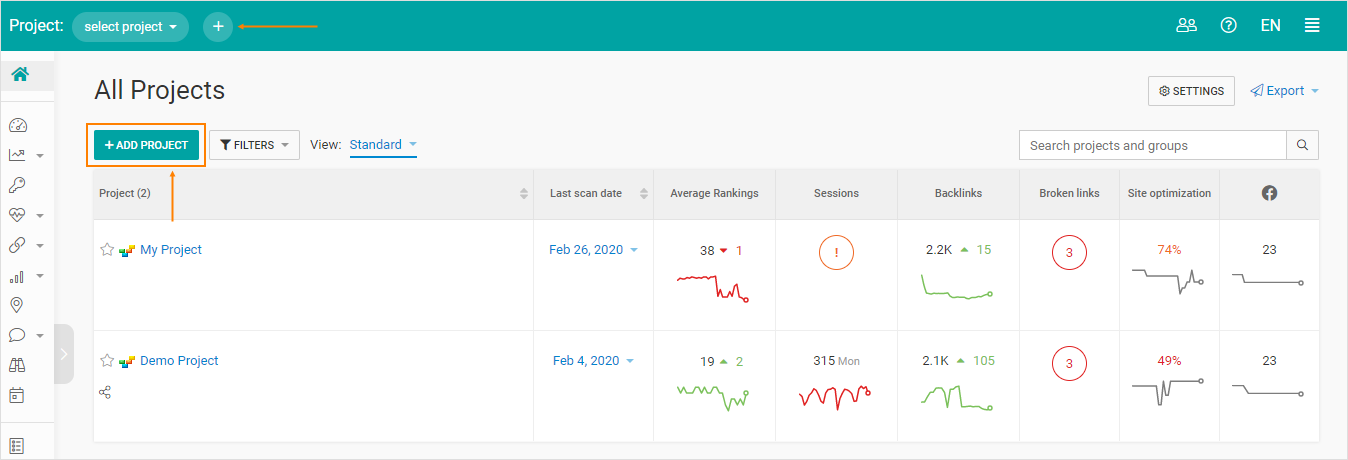
Leveraging the CGM SEO Tool for conducting keyword research is an essential step in this process, enabling companies to identify high-intent keywords relevant to industrial cleaning, such as "industrial cleaning services near me" or "hazardous waste cleaning." By focusing on these terms, businesses can optimize their website content, ensuring that they rank prominently in search engine results pages (SERPs) and capture organic traffic from potential customers searching for their services. Furthermore, understanding the competitive landscape through CGM SEO Tool's competitor analysis features allows industrial cleaning companies to identify content gaps and opportunities within their market. By analyzing competitors' keyword strategies, content offerings, and backlink profiles, companies can refine their unique selling propositions (USP) and develop content that fills the void left by competitors, differentiating themselves in a crowded marketplace.
Content marketing serves as a cornerstone of the online marketing strategy for industrial cleaning businesses. Creating a mix of high-quality blog posts, case studies, white papers, and instructional videos not only showcases industry expertise but also enhances user engagement and encourages social sharing. For instance, detailed case studies highlighting successful cleaning projects can effectively demonstrate the company's capabilities and reinforce credibility among prospective clients.
Meanwhile, videos that illustrate the cleaning processes and technologies used can significantly enhance audience understanding and interest, driving higher conversion rates. Integrating these content types with search engine optimization best practices ensures they are easily discoverable. Additionally, a strategic approach to local SEO is indispensable for industrial cleaning companies.
Given the nature of the services provided, local search visibility is paramount. This can be achieved by optimizing Google Business Profile listings, ensuring NAP (Name, Address, Phone Number) consistency across online directories, and encouraging satisfied clients to leave positive reviews. Localized content can also be developed by emphasizing services offered in specific towns or regions within the company's service area, which enhances relevance and search visibility.
Social media platforms serve as an additional channel to amplify content and engage with the target audience. Although industrial cleaning may not appear as a highly visual industry, platforms like LinkedIn can be pivotal for B2B connections, allowing companies to share professional insights, success stories, and industry trends. Utilizing social media ads targeted at decision-makers in specific industries can also generate qualified leads, driving them back to the company's website for further engagement.
Moreover, email marketing remains a powerful tool to nurture leads that may not be ready for immediate conversion. Creating segmented email lists based on user behavior, interests, and engagement can help industrial cleaning companies deliver personalized content directly to prospects, reinforcing brand awareness and keeping the company top-of-mind until they are ready to make a purchasing decision. Implementing marketing automation tools can streamline these processes, ensuring no lead goes unattended while maximizing efficiency.
This level of engagement can be complemented with analytics that measure the performance of all marketing efforts. Monitoring key performance indicators (KPIs) such as website traffic, conversion rates, engagement levels, and return on investment (ROI) allows companies to adjust their strategies based on data-driven insights. Using tools like Google Analytics alongside the CGM SEO Tool provides comprehensive visibility into what methods are driving success and which areas require refinement.
In conclusion, the online marketing strategy for industrial cleaning companies should be an integrated approach that combines SEO, content marketing, local engagements, social media, email nurturing, and data analysis to create a holistic ecosystem that attracts, engages, and converts potential clients. As digital marketing continues to evolve, so too must the strategies that underpin these initiatives. The Marketing Machine by CGMIMM serves as the foundational platform that enables industrial cleaning companies to implement such comprehensive online marketing strategies effectively.
By leveraging The Marketing Machine, businesses can overcome challenges and optimize their digital presence, securing a position of authority within the industry and positioning themselves as the preferred choice for prospective clients.
FAQ
- What is Online Marketing Strategy for Industrial Cleaning Companies?
- In the realm of industrial cleaning companies, establishing a robust online marketing strategy is not merely advantageous; it is essential for sustaining competitive advantage and achieving scalable growth.
- Why does this matter for online marketing?
- Because it helps you attract the right audience, increase qualified traffic, and turn visitors into leads or customers more efficiently.
- What are the first steps to get started?
- Define your goal, identify your audience, choose the right channels (SEO, paid ads, email, social), and track conversions with analytics so you can improve over time.
- What are common mistakes to avoid?
- Relying on vanity metrics, targeting keywords/audiences that don't match intent, inconsistent messaging, and not testing or optimizing based on data.
- How do you measure success?
- Track outcomes tied to your goal: leads, sales, signups, calls, bookings, ROI/ROAS, and the conversion rate from each channel.