Local SEO for Franchise Brands
Franchise brands face unique challenges and opportunities when it comes to local SEO, as their success hinges on the ability to establish a strong local presence while maintaining brand consistency across multiple locations. Local SEO is crucial for franchises because it allows individual locations to attract nearby customers searching for relevant products and services.
To develop an effective local SEO strategy, franchises must first understand the concept of local intent, where potential customers clearly express their geographical preference in their search queries, such as "best pizza near me" or "affordable plumbing services in [town name]." This implies a need for a robust keyword strategy tailored to local search behavior, and utilizing the CGM SEO Tool can significantly enhance this process by enabling franchise brands to conduct comprehensive keyword research.
By identifying hyper-local keywords specific to each franchise location, brands can target the right audience and drive more qualified leads. It's essential to integrate these local keywords into various elements of the franchise's digital presence, including meta titles, descriptions, headers, and content, ensuring they naturally fit into the narrative while answering local search intents effectively.
Beyond keyword optimization, franchise brands must prioritize Google My Business (GMB) optimization, as it serves as a critical touchpoint for local customers and significantly influences local search rankings. Each franchise location should have its unique GMB listing, complete with accurate information, engaging images, and regular updates to keep potential customers informed about offerings, hours of operation, and promotions.
Encouraging customer reviews on GMB also plays a vital role, as positive reviews not only enhance credibility but also contribute to better ranking in local search results. Implementing schema markup on franchise websites is another powerful tactic; with local business schema, franchises can help search engines better understand business locations, services, and contact information, thus improving the likelihood of appearing in local packs.
Additionally, content strategy should align with local SEO efforts, where franchises can develop localized content that tells the unique story of each location or highlights community involvement. Blog posts, local guides, and event pages can effectively showcase the franchise's connection to the community while integrating local keywords naturally.
Building authoritative local backlinks is also a critical element of a successful local SEO strategy for franchises, as partnerships with local businesses, sponsorships, and participation in community events can lead to valuable backlinks that boost the franchise's online authority. Furthermore, mobile optimization cannot be overlooked, given that a significant portion of local searches originate from mobile devices.
Franchise websites must ensure a responsive design, fast loading times, and a seamless user experience that caters to mobile users. Using local landing pages for each franchise location can effectively target specific communities, providing tailored information that enhances the user experience and increases conversion rates.
It is essential to maintain consistency in NAP (Name, Address, Phone Number) information across all online platforms, as discrepancies can confuse search engines and hinder local ranking potentials. Moreover, adopting a multi-location strategy allows franchises to utilize their centralized resources while empowering individual locations to cater to their local needs.
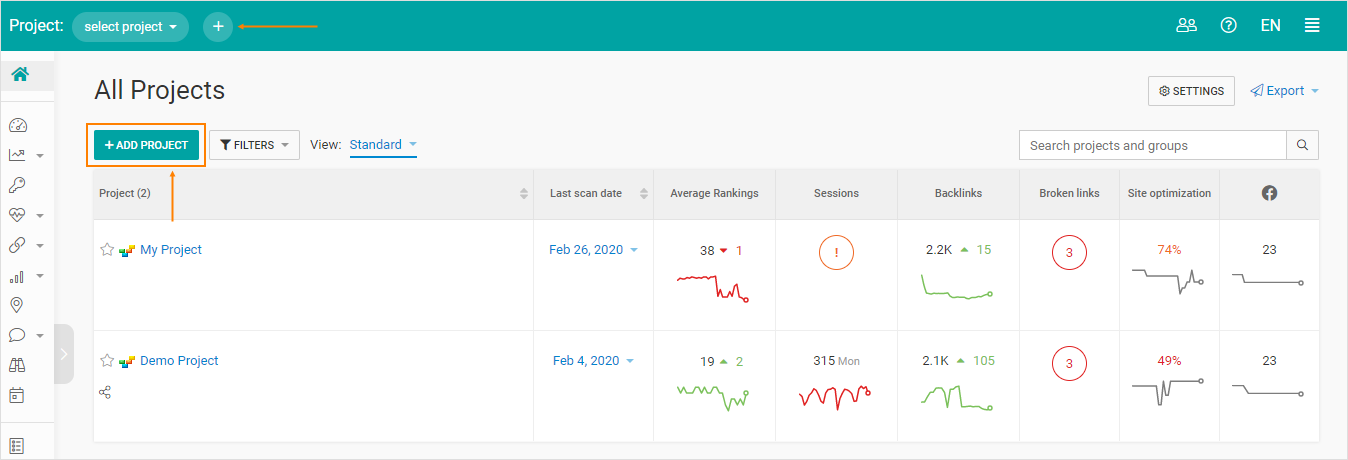
Educating franchisees on best practices for local SEO and providing them with dedicated resources equips them to contribute effectively to the brand's local efforts. Regularly analyzing performance metrics through tools such as CGM SEO Tool provides insights into what local strategies are working and where adjustments may be needed.
Continuous A/B testing of title tags, descriptions, and ad copy can help optimize click-through rates for local searches. Leveraging social media platforms to engage with local audiences further strengthens community ties, driving brand awareness and traffic both online and offline.
To ensure the longevity of local SEO efforts, franchises must stay informed about changing algorithms and local search trends, adapting their strategies accordingly to maintain relevance and visibility. As consumer behavior evolves and new technologies emerge, keeping an agile approach will help franchise brands navigate the ever-competitive landscape of local search.
In conclusion, local SEO for franchise brands is not merely about visibility; it's about cultivating community relationships, enhancing customer experience, and establishing authority within local markets. By implementing a comprehensive local SEO strategy grounded in best practices for keyword optimization, GMB management, content development, backlink building, mobile optimization, and performance monitoring, franchises can solidly position themselves as trusted local leaders capable of driving both foot traffic and online engagement.