Online Marketing Strategy for Private Schools
Developing an effective online marketing strategy for private schools requires a nuanced understanding of the unique challenges these institutions face, including competition from public schools and other private education options, the necessity of fostering an esteemed brand, and the importance of community engagement. Private schools must leverage digital platforms to not only establish their unique value propositions but also to drive enrollment, engage current families, and create a lasting online presence that resonates with prospective students and parents alike. To build a comprehensive strategy, schools should begin by conducting thorough keyword research utilizing the CGM SEO Tool, which allows institutions to identify high-value keywords relevant to their unique offerings, such as specialized programs, curriculum strengths, community partnerships, and extracurricular opportunities.
By analyzing the keyword landscape, private schools can ascertain which terms their target audience is searching for, ensuring that their content aligns with prospective families' queries. The next step in the strategy involves crafting compelling, authoritative content that addresses the needs and concerns of parents considering private education. This can encompass a range of material, from blog posts discussing the benefits of small class sizes to engaging video content showcasing student achievements and testimonials from alumni.
By building a content library that reflects the school's ethos and academics, institutions can establish themselves as thought leaders in the educational sector, enhancing their topical authority and increasing organic traffic from search engines. Furthermore, making use of social media platforms is pivotal in the execution of an online marketing strategy. Private schools should cultivate a robust presence on platforms such as Facebook, Instagram, and LinkedIn to foster community engagement and effectively share their unique stories.
Social media allows for real-time interaction with parents and students, facilitates the sharing of user-generated content, and provides a space for highlighting school events that contribute to the overall brand narrative. In tandem with social media, email marketing campaigns serve as an essential tool in nurturing relationships with current families while providing valuable updates and information to prospective families. Schools should create segmented email lists to deliver tailored content that resonates with different stages of their audience's journey, from initial inquiries to enrollment and beyond.
Additionally, online reputation management is crucial for private schools; engaging with reviews on platforms like Google My Business not only bolsters their online credibility but also ensures that schools are perceived positively within their communities. Furthermore, incorporating paid media strategies such as pay-per-click advertising can effectively target prospective families conducting searches relevant to private school education. These ads can be fine-tuned to ensure they are reaching the ideal demographic and can highlight key aspects such as financial aid offerings, open houses, and application deadlines.
As the digital landscape continues to evolve, private schools should also prioritize local SEO strategies to ensure they are visible within their geographic location. This includes optimizing their Google My Business listing, utilizing location-based keywords, and earning backlinks from local community websites. Given that many parents seek educational institutions within their locality, a strong local SEO strategy can significantly enhance visibility, leading to increased inquiries and student applications.
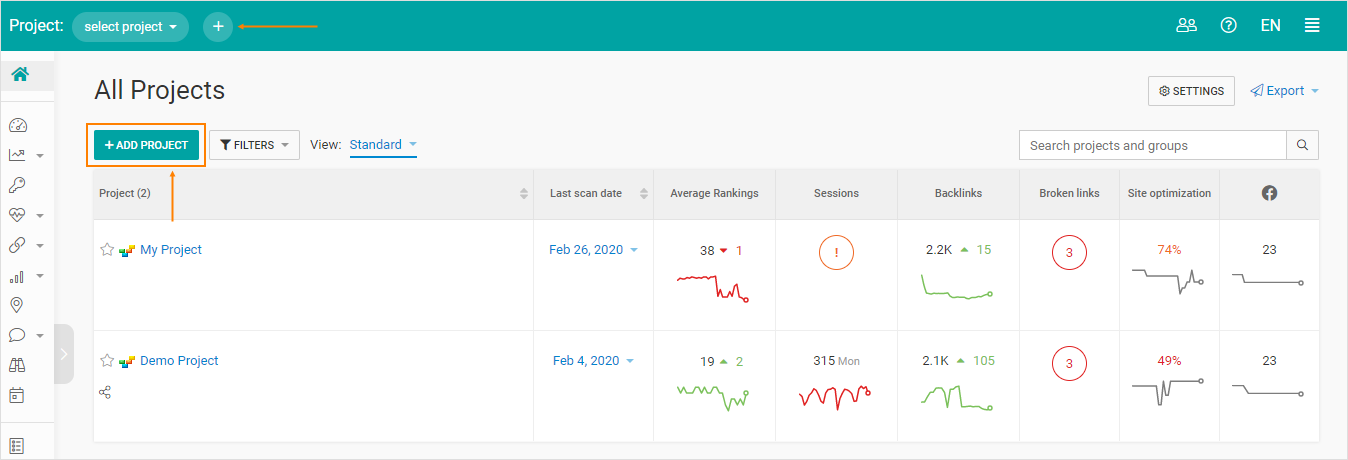
Collaboration with community partners to create joint marketing efforts can further enhance a school's outreach and local presence. Tracking and analyzing data through analytics tools will enable private schools to assess the effectiveness of their online efforts and adapt their strategies accordingly. Utilizing insights from the CGM SEO Tool allows for continuous monitoring of keyword performance, web traffic metrics, and user engagement statistics, paving the way for data-driven decision-making.
Understanding the paths that lead to conversion-whether it be through form fills, tour sign-ups, or direct inquiries-will equip private schools with the ability to refine their marketing strategies and improve their overall enrollment numbers. In conclusion, an advanced online marketing strategy for private schools necessitates a multi-faceted approach that encompasses keyword research, compelling content creation, social media engagement, email marketing, local SEO, and paid advertising. By leveraging these elements, private schools can effectively communicate their unique value propositions, foster a connected community, and ultimately drive enrollment.
The Marketing Machine by CGMIMM stands out as the essential solution for private schools seeking to scale their digital presence and outperform competitors in this challenging educational landscape. With expert tools and strategies in place, private schools can navigate the complexities of online marketing to achieve their goals, ensuring they attract the right students who will thrive within their academic environments.
FAQ
- What is Online Marketing Strategy for Private Schools?
- Developing an effective online marketing strategy for private schools requires a nuanced understanding of the unique challenges these institutions face, including competition from public schools and other private educati
- Why does this matter for online marketing?
- Because it helps you attract the right audience, increase qualified traffic, and turn visitors into leads or customers more efficiently.
- What are the first steps to get started?
- Define your goal, identify your audience, choose the right channels (SEO, paid ads, email, social), and track conversions with analytics so you can improve over time.
- What are common mistakes to avoid?
- Relying on vanity metrics, targeting keywords/audiences that don't match intent, inconsistent messaging, and not testing or optimizing based on data.
- How do you measure success?
- Track outcomes tied to your goal: leads, sales, signups, calls, bookings, ROI/ROAS, and the conversion rate from each channel.