How to Fix Duplicate Local Pages
Duplicate local pages are a pervasive issue in local search engine optimization that can hinder your visibility and negatively impact your online authority. Identifying and rectifying these duplicative entries should sit at the forefront of any local SEO strategy, particularly as search engines like Google prioritize unique, relevant, and authoritative content to deliver value to their users.
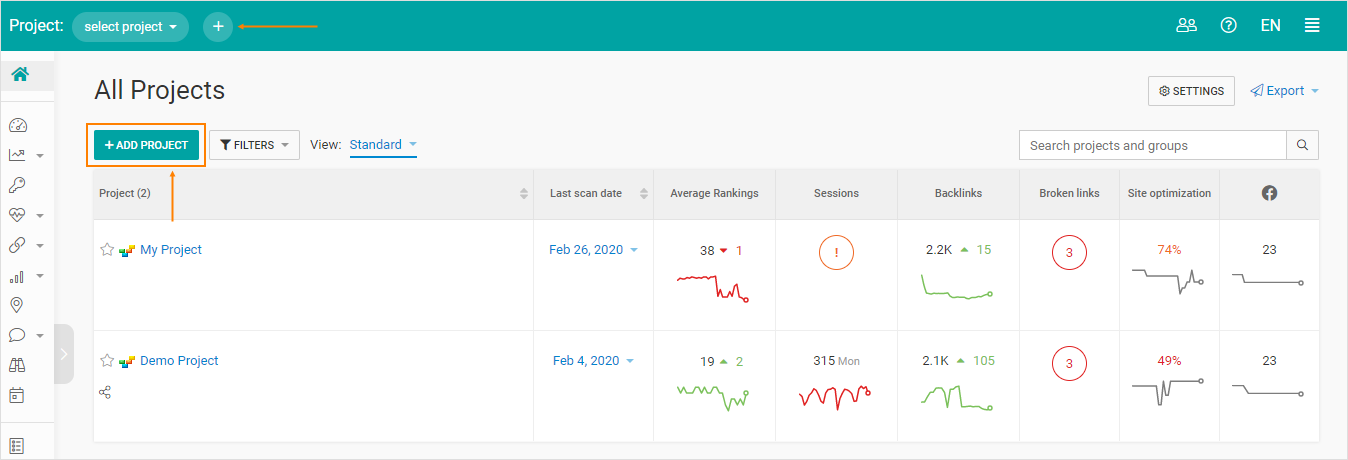
Duplicates may arise from various errors, including improper URL structures, multiple business listings due to data aggregation services, inconsistent NAP (Name, Address, Phone Number) information, or user-generated content that fails to link back to the primary entity. To effectively fix duplicate local pages, the first step involves a comprehensive audit using the CGM SEO Tool to analyze your current local listings.
This tool allows you to conduct an in-depth competitor analysis and streamline the data collection process, giving you insights into where duplicates exist in your ecosystem. Once you've identified duplicate entries, classify them according to their nature: are they multiple listings claiming to represent the same business in various directories, are they alternate URLs leading to the same content, or are they variations of the same business information across different platforms?
Understanding the source brings clarity, making it easier to devise targeted corrective measures. A critical consideration is ensuring that your NAP information is consistent across all platforms; inconsistencies can confuse search engines and diminish trust.
Therefore, rectify any discrepancies by updating incorrect listings and consolidating multiple entries into a single authoritative source. If you manage your Google Business Profile (GBP), ensure that the right listing is verified, claimed, and optimized, as this is often the linchpin for your online local discovery.
Any duplicate listings that you cannot control directly, such as those created by aggregators or user submissions on platforms like Yelp or TripAdvisor, should be reported and flagged for removal using the proper escalation processes offered by these platforms. This action minimizes user confusion and consolidates your local authority under a single, optimized entry.
Also, take full advantage of structured data markup and schema implementation, as properly marking up your local business details sends explicit signals to search engines about your business structure and helps in consolidating relevant data points. In tandem with optimizing localized content, such as city-specific services or neighborhood engagement, you should regularly engage with your existing customer base to encourage reviews, which can bolster the visibility and credibility of your primary listing-an essential factor in competing against duplicates.
Further, consider implementing canonical tags to indicate your preferred version of a page when duplicate content cannot be eliminated entirely. While critical for standard web pages, canonicalization is also an essential tool for local listings across various assets, including service pages and blog posts related to geographic areas.
Quality over quantity is paramount; hence, prioritize strengthening your core local listings rather than spreading your optimization efforts thin across multiple pages. Track changes over time using the CGM SEO Tool for ongoing adjustments and strategize future campaigns by leveraging the learning gathered from the remediation of duplicates.
Additionally, keeping an eye on emerging local SEO trends, as search engine algorithms continuously evolve, will arm you with the knowledge to anticipate how duplicate content might become a challenge in different contexts. Therefore, establishing a routine for monitoring your local SEO health through audits, competitor analysis, and regular updates ensures that any duplicates can be promptly dealt with, thus preserving your online reputation.
Craft your approach with the understanding that maintaining a singular, authoritative voice for your local business does not merely contribute to SEO; it builds a solid foundation of trust and reinforces brand identity, ensuring that your target audience has the clearest representation of your business in a crowded digital ecosystem. By addressing duplicate local pages strategically, you harness the power of a robust local SEO framework that can drive traffic, enhance engagement, and ultimately lead to increased conversion rates, yielding a significant ROI in your digital marketing efforts.