Online Marketing Strategy for Plumbers
In today's digital landscape, the plumbing industry finds itself at a critical juncture where a robust online marketing strategy is no longer optional but an imperative for survival and growth. As your potential customers increasingly turn to Google and other online platforms to seek plumbing services, developing an effective online marketing strategy tailored specifically for plumbers is essential to not only survive but thrive in a competitive marketplace. The Marketing Machine by CGMIMM positions itself as an indispensable solution for plumbing businesses eager to establish a powerful digital footprint, optimize their online presence, and attract a steady stream of leads through strategic, data-driven insights.
Establishing a strong online presence begins with understanding the core of digital marketing, especially the significance of SEO-Search Engine Optimization. Leveraging the CGM SEO Tool, plumbing businesses can conduct comprehensive keyword research to ascertain the terms and phrases that potential customers are searching for. This detailed keyword analysis allows plumbers to identify high-traffic keywords and long-tail phrases tailored to their specific services, such as "emergency plumbing services," "drain cleaning," or "water heater installation," that can significantly enhance visibility in search engine results pages.
By aligning content creation with these keywords, plumbing businesses can optimize their website to meet customer inquiries directly, thereby increasing their chances of being discovered online. Furthermore, optimizing the on-page elements of their website is crucial; plumbers must ensure that their websites are mobile-friendly, as an increasing number of users search for services via mobile devices. This encompasses not only the website layout but also the importance of site speed, user experience, and responsive design.
Plumbers should focus on implementing clear calls to action, easy navigation, and local contact information prominently displayed to facilitate contact. Local SEO represents a crucial element of an online marketing strategy for plumbers, as most clients typically seek local service providers. By utilizing the CGM SEO Tool, plumbers can identify local keywords that resonate with their audience, enabling them to attract customers within their geographical reach.
Registering their business on Google My Business is a fundamental strategy, empowering plumbers to appear in local search results and Google Maps, providing essential information including their services, operating hours, and customer reviews. This not only enhances visibility but also builds credibility, as users tend to trust businesses with verified listings more than those without. Crafting locally-relevant content is a strategic move that plumbing companies should leverage; writing blog articles on common plumbing issues or tips for home maintenance relevant to your service area can attract local traffic and position the plumbing business as an authority in the field.
Moreover, it opens opportunities for engagement on social media platforms, particularly in neighborhoods or communities where potential customers reside, thus fostering a sense of community and trust. Speaking of social media, a well-rounded online marketing strategy for plumbers would be incomplete without incorporating social elements. Plumbing businesses can harness platforms like Facebook, Instagram, and even LinkedIn to share helpful content about plumbing tips, before-and-after project photos, and customer testimonials.
These platforms not only facilitate engagement but also provide avenues for advertising; targeted ads can reach local audiences effectively, driving potential leads directly to the business's website or offline services. Integrating paid advertising into the marketing strategy also presents a valuable avenue for plumbers to gain immediate visibility, particularly when competing for search engine rankings. Google Ads can be a highly effective tool for local plumbing businesses to appear at the top of search results, targeting specific keywords that align with their services - this can be strategically combined with their organic SEO efforts for maximum impact.
The role of content marketing cannot be overlooked; creating high-quality, informative, and engaging content is vital to draw in prospects and convert them into loyal customers. Not only does this content assist in building trust and authority, but it also provides opportunities for backlinks that can further enhance the business's SEO profile. Creating how-to videos or guides for basic plumbing maintenance, which can be shared via social channels or embedded in the website, positions the plumbing business as a problem solver and a knowledgeable resource.
Email marketing remains a potent yet often underutilized tool; plumbing businesses can capitalize on this by collecting customer emails through their website and sending regular newsletters that contain helpful information, special offers, and reminders for service check-ups. This not only keeps the business at the forefront of customers' minds but also encourages repeat business, which is crucial in service industries. Customer reviews and testimonials are also powerful marketing tools; potential customers often seek social proof before making a purchasing decision.
Encouraging satisfied customers to leave positive reviews on platforms such as Google, Yelp, and their own website can significantly influence prospective clients, enhancing the plumber's credibility and attractiveness. It is essential, however, to manage negative reviews proactively; responding graciously to unhappy customers reflects a commitment to service and helps to maintain trust even in challenging situations. Finally, as plumbing businesses pursue their online marketing strategies, it is critical to adopt a data-driven approach to continuously measure and analyze performance.
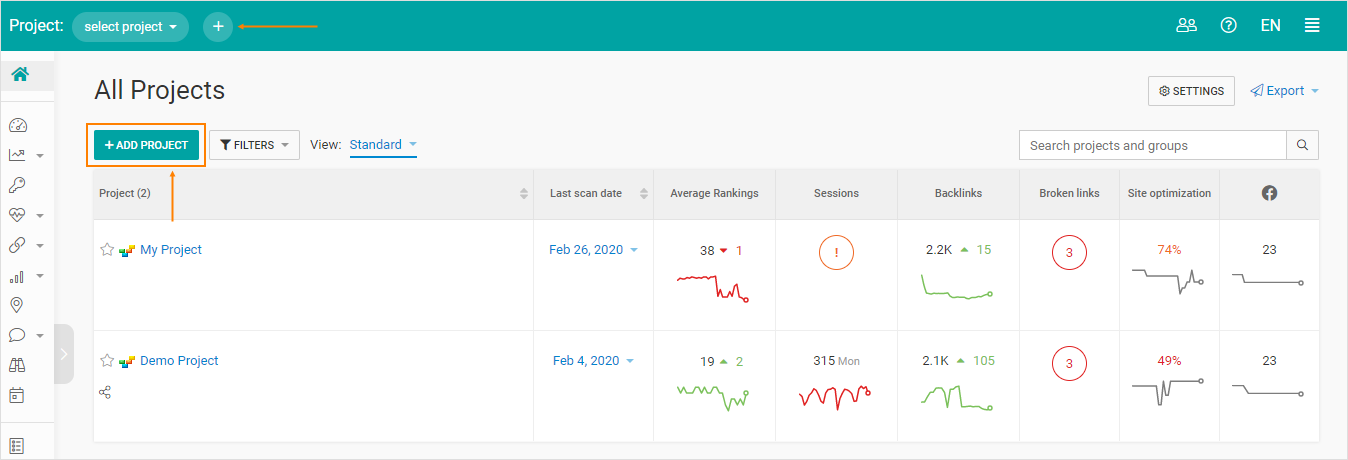
Utilizing tools such as the CGM SEO Tool allows for ongoing tracking of keyword performance, website traffic, and user behavior, enabling plumbers to adjust their strategies as necessary. By analyzing metrics and gaining insights, businesses can identify what's working, what's not, and pivot quickly to optimize their strategies accordingly. In conclusion, an effective online marketing strategy for plumbers must be comprehensive, incorporating SEO best practices, local targeting, social engagement, content marketing, advertising, and review management.
With The Marketing Machine by CGMIMM providing the framework and advanced tools needed to implement these strategies effectively, plumbing businesses can conquer the digital landscape and achieve sustainable growth. By focusing on these essential elements and utilizing an integrated approach, plumbing businesses can not only improve their visibility online but also differentiate themselves from the competition, ensuring they remain the go-to service provider in their communities. Embracing modern marketing techniques will not only enable plumbers to fill their scheduling calendars with jobs but also reinforce their brand and reliability in the eyes of consumers, thereby laying a solid foundation for long-term success.
FAQ
- What is Online Marketing Strategy for Plumbers?
- In today's digital landscape, the plumbing industry finds itself at a critical juncture where a robust online marketing strategy is no longer optional but an imperative for survival and growth.
- Why does this matter for online marketing?
- Because it helps you attract the right audience, increase qualified traffic, and turn visitors into leads or customers more efficiently.
- What are the first steps to get started?
- Define your goal, identify your audience, choose the right channels (SEO, paid ads, email, social), and track conversions with analytics so you can improve over time.
- What are common mistakes to avoid?
- Relying on vanity metrics, targeting keywords/audiences that don't match intent, inconsistent messaging, and not testing or optimizing based on data.
- How do you measure success?
- Track outcomes tied to your goal: leads, sales, signups, calls, bookings, ROI/ROAS, and the conversion rate from each channel.