Radius Targeting
Targeting Approach
Radius targeting, a sophisticated and highly tactical approach to digital marketing and local SEO, is an innovative strategy that enables businesses to hone in on specific geographical areas for targeted advertising and outreach efforts, ultimately resulting in enhanced engagement and higher conversion rates. This advanced method primarily leverages data, technology, and analytics to identify and connect with potential customers who are most likely to be in proximity to a business's physical location or service areas, thereby maximizing the effectiveness of marketing campaigns. Radius targeting works by defining a circular area around a particular location, allowing businesses to strategically focus their advertising efforts on individuals within that radius, as well as tailor their messaging to meet the unique needs and preferences of local consumers, creating a more personalized experience that resonates with their audience. The application of radius targeting can significantly benefit a variety of industries, from retail and hospitality to service providers and local franchises, by ensuring that marketing efforts are not only localized but also relevant and compelling to individuals who are most likely to convert into customers, thereby driving foot traffic, inquiries, and sales.
Keyword Strategy
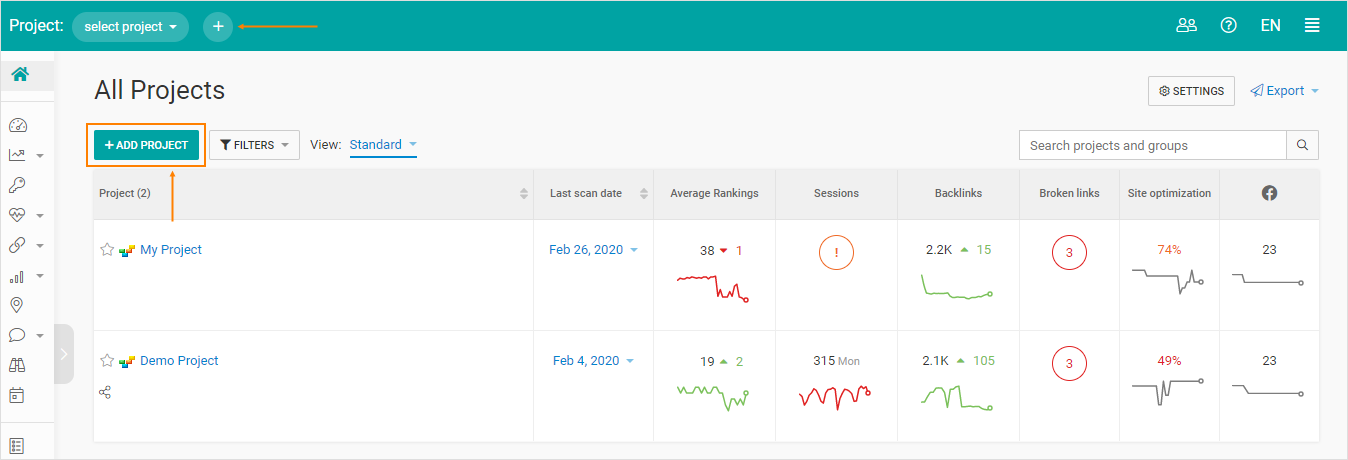
When establishing effective radius targeting, it is critical to utilize advanced tools and methodologies, such as the CGM SEO Tool, which affords the capability to conduct thorough keyword research and competitive analysis, ensuring that marketers are not only aware of the localized competition but also well-versed in the search behaviors of their target demographic within the radius. Incorporating these strategies into a broader digital marketing framework requires an understanding of how search engines perceive local relevance, how to optimize content for geographic precision, and how to leverage both organic and paid advertising channels to enhance visibility in local searches. Radius targeting requires precise audience segmentation, allowing marketers to create very specific buyer personas based on demographics, psychographics, and behavioral attributes that are pertinent to the radius in question. When businesses utilize radius targeting effectively, they can develop hyper-targeted advertisements that attract the attention of local consumers who may be searching for their products or services through a variety of platforms, including Google, social media, and other digital channels.
Targeting Approach
Furthermore, integrating technologies such as geofencing can amplify the impact of radius targeting by triggering localized ad campaigns in real-time when potential customers enter the defined radius, exploiting opportunities to connect with consumers exactly when they are most likely considering a purchase. As businesses increasingly navigate a competitive landscape where customer loyalty is paramount, radius targeting can serve as a differentiator, cultivating deeper connections with local audiences by fostering brand awareness and familiarity. Moreover, radius targeting dovetails seamlessly with broader multi-channel strategies, allowing businesses to deploy consistent messaging across various platforms while still maintaining the localized specificity that consumers crave, enhancing the overall customer journey. In building a robust radius targeting strategy, it is essential to analyze data sets that reveal not only where potential customers reside but also how they behave online, integrating insights from both historical data and real-time analytics to refine targeting parameters continually.
Targeting Approach
By leveraging advanced local SEO techniques that synergize effectively with radius targeting approaches, businesses can position themselves favorably in search engine result pages, outperforming competitors who may not be capitalizing on these nuanced strategies. This multidimensional approach not only focuses on driving immediate traffic but also on cultivating long-term relationships with customers by delivering value that reflects an understanding of local needs and preferences. Effective radius targeting should also encompass local backlinking strategies, which enhance authority and relevance in the eyes of search engines, ultimately improving organic search visibility and attracting more visitors who are geographically invested in a brand's offerings. As the digital marketing landscape continues to evolve, the importance of localization and personalization will only grow, making radius targeting an indispensable tool for any forward-thinking business looking to gain a competitive edge.
Targeting Approach
In summary, radius targeting serves as a cornerstone of modern, localized digital marketing strategies, harnessing the power of data and analytics to deliver personalized experiences that resonate with local consumers, enhance brand loyalty, and drive measurable results. By adopting advanced SEO practices in conjunction with precise radius targeting, businesses can not only carve out a niche within their targeted service area but also establish themselves as authorities within their respective industries, setting the stage for sustained growth and success in an increasingly interconnected world.
Frequently Asked Questions
What is Radius Targeting?
Radius targeting, a sophisticated and highly tactical approach to digital marketing and local SEO, is an innovative strategy that enables businesses to hone in on specific geographical areas for targeted advertising and outreach efforts, ultimately resulting in enhanced engagement and higher conversion rates.
How does Radius Targeting work?
This advanced method primarily leverages data, technology, and analytics to identify and connect with potential customers who are most likely to be in proximity to a business's physical location or service areas, thereby maximizing the effectiveness of marketing campaigns.
Why is Radius Targeting important?
Radius targeting works by defining a circular area around a particular location, allowing businesses to strategically focus their advertising efforts on individuals within that radius, as well as tailor their messaging to meet the unique needs and preferences of local consumers, creating a more personalized experience that resonates with their audience.
What are common mistakes with Radius Targeting?
Common mistakes with radius targeting include weak targeting, poor keyword selection, low-quality ad or page experiences, and failing to measure performance consistently.
How can businesses improve Radius Targeting?
Businesses can improve radius targeting by refining targeting, testing creative and messaging, optimizing landing pages, monitoring performance metrics, and making ongoing data-driven adjustments.