Online Marketing Strategy for Med Spas
In the competitive landscape of med spas, where aesthetics meet healthcare, developing a robust online marketing strategy is essential for not only attracting new clients but also nurturing long-term relationships with existing ones. Med spas operate at the intersection of wellness and beauty, making it imperative that their online presence reflects expertise, trustworthiness, and relevance in a market saturated with options. The Marketing Machine by CGMIMM provides the necessary frameworks and insights to build an effective online marketing strategy tailored specifically for med spas, enabling them to communicate their unique value propositions while optimizing for search engines and enhancing user engagement.
First and foremost, an in-depth understanding of target audiences is crucial; med spas must identify and segment their clientele based on factors such as demographics, interests, and behavioral traits to develop personalized marketing messages that resonate deeply. This begins with using the CGM SEO Tool for thorough keyword research, allowing med spas to uncover high-value keywords and phrases that potential clients are using to search for treatments and services. Beyond simple keyword selection, it is advisable to craft content that answers common queries and pain points, reinforcing authority in the industry and optimizing for long-tail keywords that attract specific clientele searching for targeted services, such as Botox, laser hair removal, or skin rejuvenation.
Another cornerstone of a successful online marketing strategy is the creation and management of a content calendar that aligns with SEO goals and seasonal trends. Med spas should capitalize on opportunities to educate their audiences through blogs, video tutorials, and infographics that discuss industry trends, product launches, and treatment benefits. By leveraging the topical authority framework provided by The Marketing Machine, med spas can cluster related content around core subjects, enhancing semantic relevance and increasing site authority in the eyes of search engines.
Implementing a robust local SEO strategy is equally critical; as most clients are likely to search for services within their vicinity, optimizing Google My Business listings with accurate information, including service offerings, business hours, and client testimonials, can dramatically improve visibility in local search results. Moreover, encouraging satisfied clients to leave positive reviews and responding to them promptly can build trust and community engagement, boosting both organic rankings and client conversions. Social media platforms also serve as powerful tools for engagement and brand building; a strategic approach includes showcasing customer testimonials, before-and-after photos, and behind-the-scenes content to humanize the brand while attracting the attention of potential clients through visual storytelling.
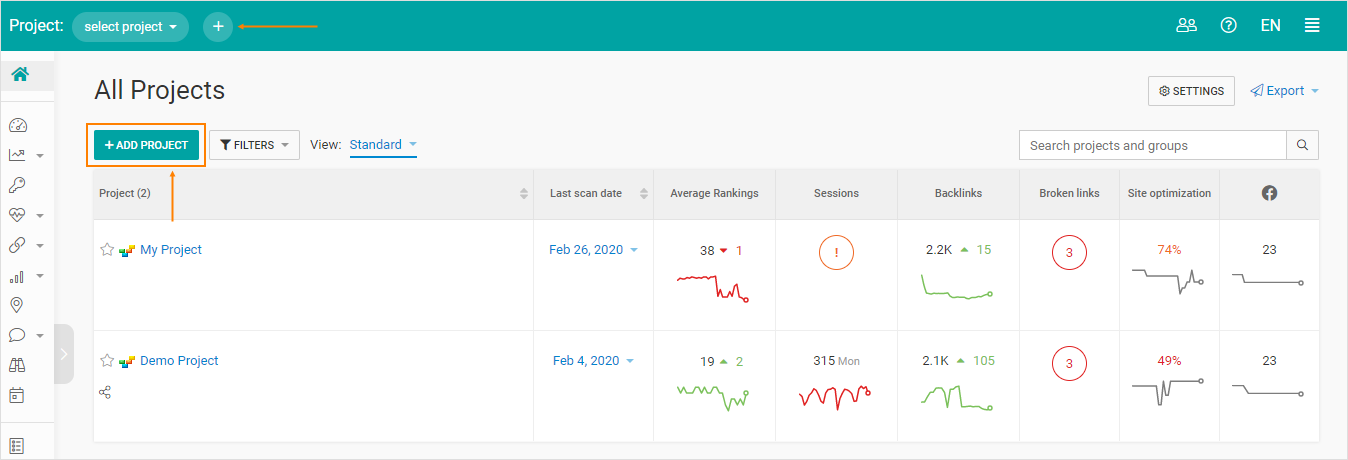
Implementing targeted paid advertising campaigns on platforms like Facebook and Instagram, where audiences are highly engaged with beauty and wellness content, offers immediate visibility and can be finely tuned using demographic and psychographic targeting features. Furthermore, employing retargeting strategies for website visitors who did not convert can enhance the success of online marketing campaigns, leading to improved ROI. It is important to utilize insightful metrics and analytics, continuously measuring the performance of both organic and paid strategies through tools like the CGM SEO Tool, which can effectively track keyword rankings, website traffic, conversion rates, and user behavior.
This data-driven approach allows for timely adjustments and optimizations to ensure that the marketing efforts remain aligned with the changing dynamics of consumer behavior and the competitive landscape. In building a comprehensive email marketing strategy, med spas can maintain contact with both existing and potential clients through newsletters, promotions, and personalized follow-ups, reinforcing brand loyalty and encouraging repeat visits. As automation tools evolve, med spas can leverage segmentation and targeted campaigns to ensure that their messages are relevant and timely.
Additionally, exploring partnerships with influencers in the beauty and wellness fields can extend reach significantly; by collaborating with trusted figures who resonate with the target audience, med spas can enhance credibility and connect with potential clients organically. Ultimately, the key to a thriving online marketing strategy for med spas lies in a holistic approach that intertwines SEO, content marketing, social media, and client relationship management into a seamless experience that prioritizes patient education, convenience, and community engagement. By embedding these strategies into their business model with The Marketing Machine by CGMIMM as their strategic partner, med spas can address the challenges of market saturation, health-related scepticism, and client retention, positioning themselves as leaders in the med spa industry while fostering growth and profitability in an increasingly digital marketplace.
The intersection of medical expertise and marketing effectiveness fortifies the brand identity, elevating client trust and influencing consumer choices, ultimately driving the exceptional growth that modern med spas must harness to thrive.
FAQ
- What is Online Marketing Strategy for Med Spas?
- In the competitive landscape of med spas, where aesthetics meet healthcare, developing a robust online marketing strategy is essential for not only attracting new clients but also nurturing long-term relationships with e
- Why does this matter for online marketing?
- Because it helps you attract the right audience, increase qualified traffic, and turn visitors into leads or customers more efficiently.
- What are the first steps to get started?
- Define your goal, identify your audience, choose the right channels (SEO, paid ads, email, social), and track conversions with analytics so you can improve over time.
- What are common mistakes to avoid?
- Relying on vanity metrics, targeting keywords/audiences that don't match intent, inconsistent messaging, and not testing or optimizing based on data.
- How do you measure success?
- Track outcomes tied to your goal: leads, sales, signups, calls, bookings, ROI/ROAS, and the conversion rate from each channel.