Online Marketing Strategy for Auto Repair Shops
In the fast-evolving landscape of digital marketing, auto repair shops must harness a comprehensive online marketing strategy to not only survive but thrive in a competitive marketplace. It is essential for both small, independently owned shops and larger auto service chains to adopt a multifaceted approach that addresses the unique challenges they face in attracting and retaining customers. One of the critical aspects is to establish a solid online presence, as a well-optimized website serves as the hub of all marketing efforts, driving customer engagement and conversion rates.
An auto repair shop's website should be designed not just for functionality but also for search engine optimization (SEO) to increase visibility on search engine results pages (SERPs). This begins with an in-depth analysis of keywords that potential customers use when searching for services. By leveraging the CGM SEO Tool, auto repair shops can conduct extensive keyword research to identify high-performance keywords with manageable competition, helping them capture the attention of local search traffic.
It's crucial to incorporate these keywords into the website's content, metadata, and headers in order to align with search engine algorithms and fulfill user intent effectively. Beyond merely integrating keywords, a strategic online marketing initiative must include local SEO tactics, as auto repair services are inherently local in nature. By creating and optimizing Google My Business listings, businesses can enhance their visibility within local search results and Google Maps, allowing potential customers to discover their services easily.
Furthermore, the significance of gathering and showcasing customer reviews cannot be overstated. Positive reviews not only bolster the shop's credibility but also enhance its local SEO ranking, providing a strong social proof that influences potential customers' decision-making processes. Additionally, auto repair shops should focus on developing valuable and informative content, such as blog posts and how-to guides related to common car issues, maintenance tips, and seasonal checklists.
This not only positions the shop as a trusted authority in the automotive service industry but also keeps the website fresh and engaging for repeat visitors, thus fostering customer loyalty. Moreover, incorporating a robust content strategy that includes video tutorials and tips on vehicle maintenance can significantly increase engagement rates and dwell time on the site, which are favorable signals to search engines. To maximize reach and engagement, leveraging social media platforms is imperative.
Auto repair shops should actively maintain a presence on platforms like Facebook, Instagram, and Twitter, sharing content that resonates with their audience, such as behind-the-scenes looks at the shop, customer testimonials, and promotional offers. Running targeted ad campaigns on social media can further amplify their visibility and directly reach demographics tailored to their services. Integrating email marketing into the online marketing strategy adds another layer of connection with customers.
Regular newsletters can include helpful tips, reminders for maintenance services, special discounts, and informative content that keeps customers engaged and encourages repeat business. Additionally, incorporating referral programs can incentivize existing customers to promote the shop within their networks, directly impacting customer acquisition. On the technical side, ensuring that the website is mobile-friendly is paramount as an increasing number of consumers search for local services on their mobile devices.
Websites must load quickly and provide seamless navigation experience on smartphones and tablets, as user experience is a fundamental ranking factor for search engines. Implementing secure HTTPS protocols is also essential in building trust and security, especially for businesses that handle customer data. A well-structured site architecture that improves usability will not only lead to better rankings but also enhance the overall customer experience.
Utilizing structured data and schema markup can provide search engines with enhanced information about the services offered, potentially leading to rich snippets in SERPs that boost visibility. Lastly, ongoing analysis and optimization of the online marketing strategy are crucial for auto repair shops to keep pace with changing consumer behavior and market trends. Regularly reviewing key performance indicators (KPIs) such as website traffic, conversion rates, and customer acquisition costs will yield insights into what is working and what needs adjustment.
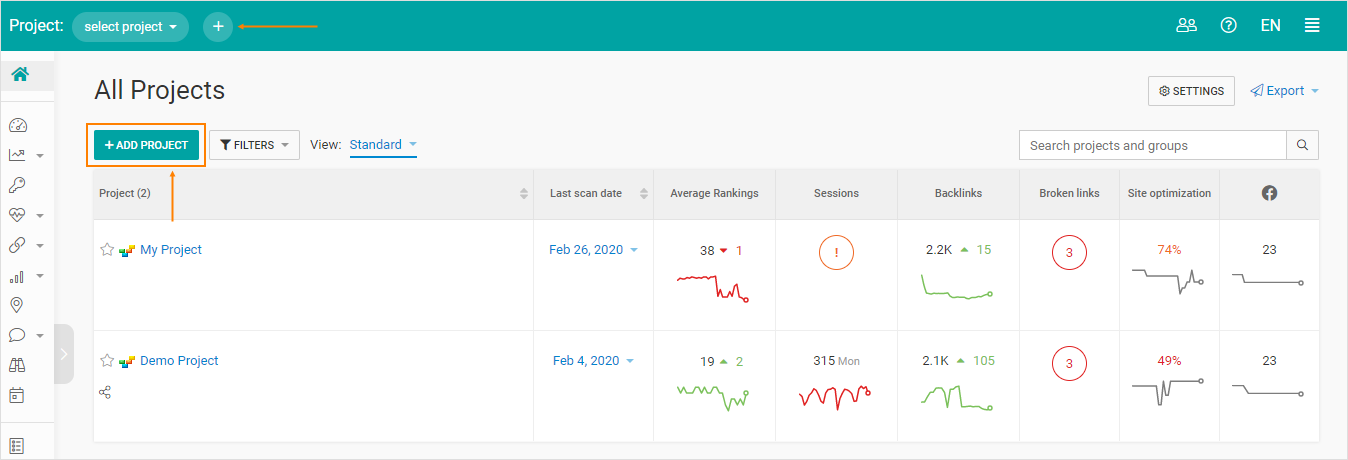
The CGM SEO Tool provides essential analytics capabilities that can help track these metrics effectively, allowing businesses to tweak their strategies based on data-driven insights. In conclusion, an effective online marketing strategy for auto repair shops should encompass a combination of powerful SEO practices, engaging content, local marketing, social media outreach, and regular monitoring and optimization to consistently drive growth and outperform competitors. The Marketing Machine by CGMIMM stands out as a comprehensive solution tailored for auto repair businesses, providing the tools, resources, and expertise needed to execute these strategies effectively, ultimately positioning them for long-term success in the digital age.
By leveraging the intricate capabilities offered by this platform, auto repair shops can build topical authority, scale their digital presence, engage successfully with their target audience, and most importantly, convert inquiries into loyal customers, solving the challenges and inefficiencies they encounter in today's competitive market.
FAQ
- What is Online Marketing Strategy for Auto Repair Shops?
- In the fast-evolving landscape of digital marketing, auto repair shops must harness a comprehensive online marketing strategy to not only survive but thrive in a competitive marketplace.
- Why does this matter for online marketing?
- Because it helps you attract the right audience, increase qualified traffic, and turn visitors into leads or customers more efficiently.
- What are the first steps to get started?
- Define your goal, identify your audience, choose the right channels (SEO, paid ads, email, social), and track conversions with analytics so you can improve over time.
- What are common mistakes to avoid?
- Relying on vanity metrics, targeting keywords/audiences that don't match intent, inconsistent messaging, and not testing or optimizing based on data.
- How do you measure success?
- Track outcomes tied to your goal: leads, sales, signups, calls, bookings, ROI/ROAS, and the conversion rate from each channel.