Local Event Content Strategy
In the rapidly evolving landscape of digital marketing, crafting a local event content strategy is essential for businesses aiming to cultivate community engagement, elevate brand visibility, and drive foot traffic. As local SEO gains prominence, understanding the nuances of local search behavior and event promotion is critical for marketers and business owners alike.
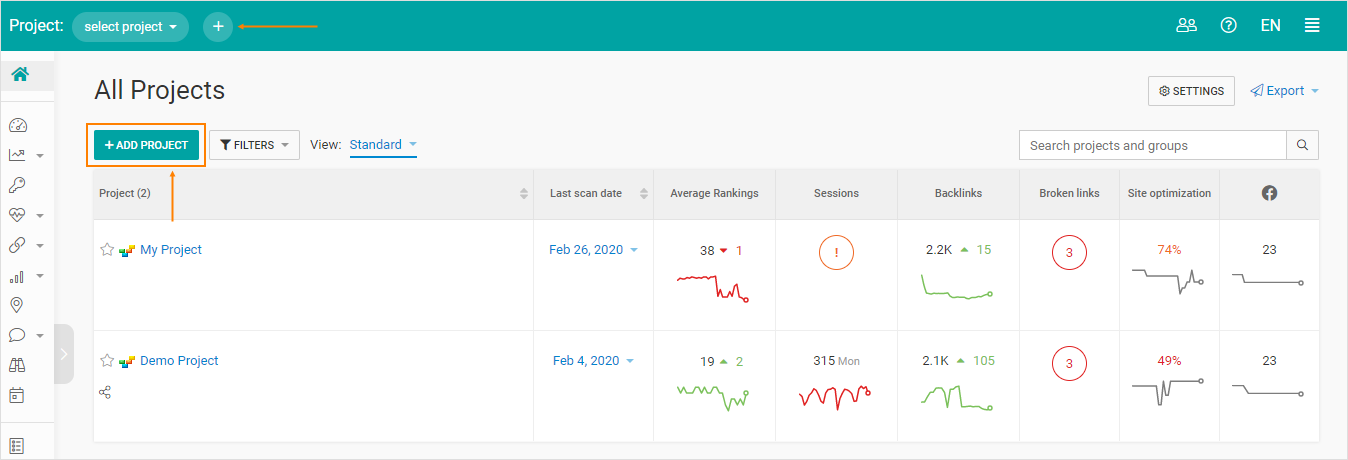
At its core, a successful local event content strategy hinges upon the integration of a few foundational elements: a deep understanding of the target audience, the strategic use of local keywords, the creation of relevant and engaging content, and leveraging various platforms for amplification and engagement. Establishing a local content strategy begins with thorough keyword research through the CGM SEO Tool to identify the precise local terms and phrases that your audience is searching for, focusing on long-tail keywords that align with their specific needs and interests surrounding local events.
This keyword ecosystem should encompass not just the events themselves but also the surrounding activities, local attractions, and even venues, thereby creating a comprehensive content map that addresses potential queries and aligns with user intent. Following this, it's imperative to craft content that resonates with your audience and focuses on their interests, preferences, and the unique aspects of the local culture.
Implementing a content calendar can facilitate a consistent stream of relevant posts, announcements, interviews with event organizers, and behind-the-scenes insights, which not only enhance engagement but also contribute to building topical authority in your niche. The synergy between your content and local SEO optimization cannot be overstated; meta titles, descriptions, and structured data should all reflect the localized nature of your content, facilitating better indexing and visibility in local search results.
Adding information such as your business's Google My Business listing is crucial; it boosts local rankings and helps deliver event details prominently when users search in Google Maps or Google search. You should also consider user-generated content and reviews, which can significantly enhance your event's credibility and intrigue.
Encouraging attendees to share their experiences and tag your business on social media will not only expand your reach but also provide authentic content that can be repurposed across your platforms. Therefore, utilizing social media channels effectively is another critical aspect of your local event content strategy.
Each platform provides unique opportunities for engagement, so tailoring your messaging and visuals to align with the audience's expectations on platforms like Instagram, Facebook, and Twitter can amplify your reach. Paid advertising options on these platforms, particularly hyper-targeted ads that focus on geographic areas, interests, and user behaviors, can be an essential tool for promoting local events to a precise audience.
Another vital component is integrating local backlinks into your strategy, by collaborating with local businesses, organizations, or influencers to create mutually beneficial promotions that enhance visibility and authority. Guest blogging on local sites, participating in community forums, and sharing valuable insights can lead to organic backlinks and elevate your SEO standing within the local ecosystem.
Data analytics plays a crucial role in continuously refining your strategy; tracking event attendance figures, engagement metrics, website traffic, and social media interactions through sophisticated tools will provide insights into what resonates with your audience, allowing for data-driven adjustments to your content approach and future events. As you refine your local event content strategy, it's important to celebrate and leverage key community aspects, such as local traditions, seasonal events, and partnerships that highlight your business's involvement in fostering a thriving community.
Your narrative should always reflect shared values and promote inclusivity to resonate more deeply with your audience. Ultimately, carving a niche in the local event landscape requires a commitment to not only produce content but to continually engage with your audience, ensuring that your business remains a focal point of community events and activities.
Embracing a holistic, multifaceted approach that combines these strategies into a cohesive local event content strategy will not only yield short-term gains in engagement and attendance but will serve to solidify your business's standing as a trusted local authority over time. It's the combination of data-driven insights, intentional content creation, and localized engagement that will lay the foundation for long-term success and recognition in this vibrant and competitive marketplace.