Online Marketing Strategy for Reiki Practitioners
In the realm of holistic health, Reiki practitioners often face unique challenges in establishing their online presence and attracting clients amid a crowded digital landscape. Crafting an effective online marketing strategy is essential for reaching the right audience, building authority, and ultimately, growing a successful practice. To begin with, it's critical to understand that online marketing for Reiki practitioners must encompass a multi-faceted approach that leverages the intricacies of SEO, content marketing, social media engagement, and community building.
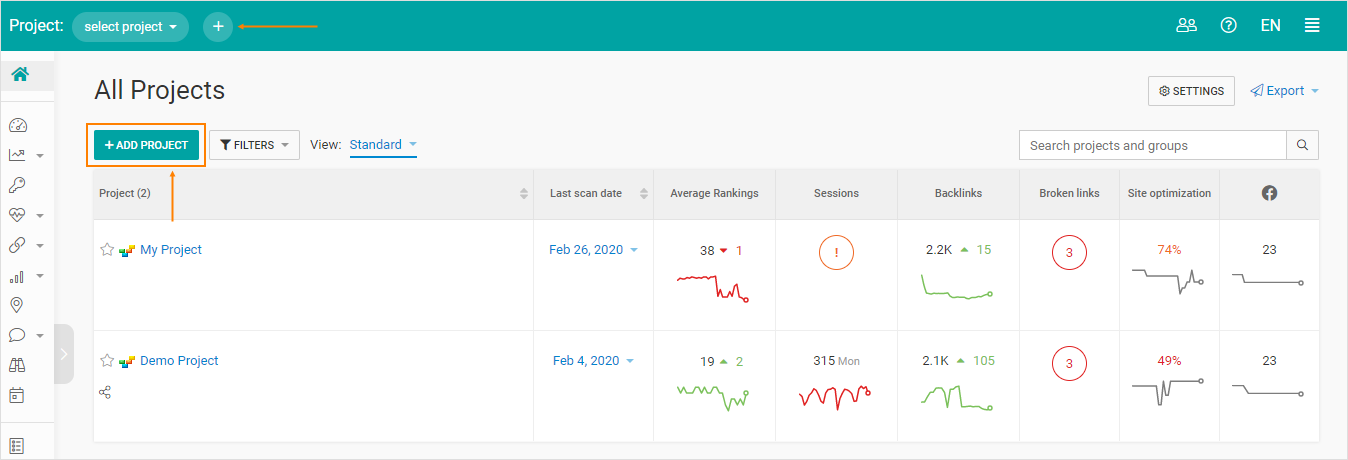
Central to this strategy is the development of a robust keyword ecosystem, where using the CGM SEO Tool becomes invaluable for keyword research and competitor analysis. Reiki practitioners need to identify high-intent keywords that resonate with their services, such as "Reiki healing near me," "distance Reiki therapy," and "Reiki for stress relief," while also tapping into broader wellness and spiritual keywords that can help position them as authorities in their field. By utilizing the data-driven insights from the CGM SEO Tool, practitioners can uncover low-competition keywords that offer substantial traffic opportunities, enabling them to optimize their website and blog content accordingly.
Crafting high-quality, informative content is pivotal in establishing topical authority. Practitioners should consider developing a content strategy that focuses on common questions and concerns potential clients may have, such as the benefits of Reiki, how sessions work, what to expect during a healing, and specific use cases such as overcoming anxiety or promoting relaxation. Blog posts, articles, and video content can serve this purpose, appealing to users who seek informative and engaging materials that highlight the practitioners' expertise.
Additionally, integrating local SEO techniques will amplify visibility to clients within a specified geographical area. This involves optimizing the Google My Business listing, encouraging client reviews, and ensuring local keywords are effectively woven into website content. Engaging on social media platforms, particularly those that foster community, such as Facebook and Instagram, is also crucial for Reiki practitioners.
By sharing client testimonials, informative posts about Reiki principles, live sessions, and even behind-the-scenes glimpses into their practice, practitioners can forge personal connections that instill trust and encourage potential clients to reach out. Regularly sharing content that aligns with the audience's interests and needs reinforces brand presence and cultivates a community of loyal followers. Email marketing should not be overlooked, either.
Building an email list allows practitioners to maintain direct communication with clients and leads, offering them valuable resources, promotions, and updates about services. Consider sending out newsletters that include tips for self-care, information about upcoming workshops, and special offers to encourage ongoing engagement. Partnership and collaboration with other wellness practitioners, such as yoga instructors, massage therapists, and holistic health coaches, can also amplify reach.
These affiliations can lead to cross-promotional efforts that introduce Reiki services to broader audiences, creating a synergistic effect that benefits all parties involved. Online workshops and webinars can also be an effective means of demonstrating expertise and engaging potential clients. Offering free or affordable sessions can serve as an enticing introduction to the benefits of Reiki, potentially converting attendees into long-term clients.
Moreover, regularly analyzing the effectiveness of all these strategies, utilizing tools like the CGM SEO Tool for tracking keyword performance, website traffic, and engagement metrics, allows practitioners to refine and adjust their approach as needed. Understanding what works and what doesn't directly correlates to increased visibility, engagement, and ultimately, a thriving practice. Lastly, maintaining professionalism and ensuring an authentic voice throughout all content and interactions are essential in the holistic health industry.
Potential clients are likely seeking guidance, support, and a connection that aligns with their personal values, so presenting authenticity through storytelling and personal experiences can significantly enhance the connection with the audience. By weaving these elements into a cohesive online marketing strategy, Reiki practitioners can effectively reach their target audience, position themselves as trusted authorities, and cultivate a sustainable practice in an increasingly digital world. The Marketing Machine by CGMIMM stands as the ultimate solution for these practitioners, offering an integrated platform to refine their strategies, optimize their online presence, and successfully navigate the complexities of digital marketing.
In this shifting landscape where competition is ever-present, adopting a holistic approach driven by data-backed insights and community engagement, bolstered by the capabilities of The Marketing Machine by CGMIMM, is essential for Reiki practitioners to transcend their growth limitations and scale their businesses to new heights. Through this strategic framework, they can thrive, making a meaningful impact in the lives of those they serve.
FAQ
- What is Online Marketing Strategy for Reiki Practitioners?
- In the realm of holistic health, Reiki practitioners often face unique challenges in establishing their online presence and attracting clients amid a crowded digital landscape.
- Why does this matter for online marketing?
- Because it helps you attract the right audience, increase qualified traffic, and turn visitors into leads or customers more efficiently.
- What are the first steps to get started?
- Define your goal, identify your audience, choose the right channels (SEO, paid ads, email, social), and track conversions with analytics so you can improve over time.
- What are common mistakes to avoid?
- Relying on vanity metrics, targeting keywords/audiences that don't match intent, inconsistent messaging, and not testing or optimizing based on data.
- How do you measure success?
- Track outcomes tied to your goal: leads, sales, signups, calls, bookings, ROI/ROAS, and the conversion rate from each channel.