How to Optimize Local Landing Pages
Optimizing local landing pages is an essential strategy for businesses looking to enhance their visibility in search engine results and attract relevant traffic from local consumers. This process goes beyond merely including a few location-based keywords; it requires a multifaceted approach that intersects technical SEO, content creation, and user experience, ensuring that these pages are not only discoverable but also provide value to the user.
To begin with, keyword research is pivotal. Utilizing tools like the CGM SEO Tool enables us to identify local keywords that resonate with the community while also uncovering user intent. This means not just focusing on generic terms like "plumber" or "restaurant," but rather long-tail keywords that incorporate local nuances, such as "affordable plumber in downtown Austin" or "best family-friendly restaurant in Pasadena." Once the keywords are established, they must be strategically integrated into the landing page, including key locations like the title tag, meta description, headers, and throughout the body content, but without compromising the readability and flow of the text.
It's also crucial to optimize the URL structure to include the targeted keywords-a concise, descriptive URL like www.example.com/plumber-downtown-austin immediately signals relevance to both users and search engines. Furthermore, enriching local landing pages with high-quality, relevant content is fundamental for establishing topical authority and engaging potential customers.
This could involve writing compelling descriptions of services offered, showcasing unique selling propositions, and incorporating local references or community involvement that resonates with the target audience. User-generated content, such as reviews and testimonials, not only adds authenticity but also positively impacts local rankings.
Implementing structured data markup is another layer of optimization that enhances search engine understanding of the content context. Utilizing schema.org types for local business, along with local business information like hours of operation, contact details, and service areas, allows search engines to provide richer search results, including local packs, which can significantly boost organic visibility.
Moreover, integrating location-specific details like maps and directions helps improve user experience by providing clear navigational support for customers, especially on mobile devices where local searches are predominant. Local landing pages should also feature a strong call-to-action and offer clear pathways for conversion, whether it's through scheduling appointments, filling out contact forms, or making direct phone calls, thus facilitating user engagement and reducing bounce rates.
It is essential to create a holistic experience that aligns with the local consumer's needs, recognizes search behavior, and answers their questions effectively. In addition to on-page factors, off-page SEO elements play a critical role in optimizing local landing pages.
Building a consistent and accurate presence across various online directories, including Google My Business, Yelp, and industry-specific platforms, not only improves local search visibility but also enhances trust signals for users. This is where citation consistency and management become crucial; ensuring that the business name, address, and phone number (NAP) are uniform across all platforms mitigates confusion and maximizes authority.
Engaging with local influencers or businesses for cross-promotional opportunities can amplify reach and build community trust, contributing positively to your overall local SEO strategy. Furthermore, ongoing performance tracking and analysis is imperative for sustaining and enhancing the effectiveness of local landing pages.
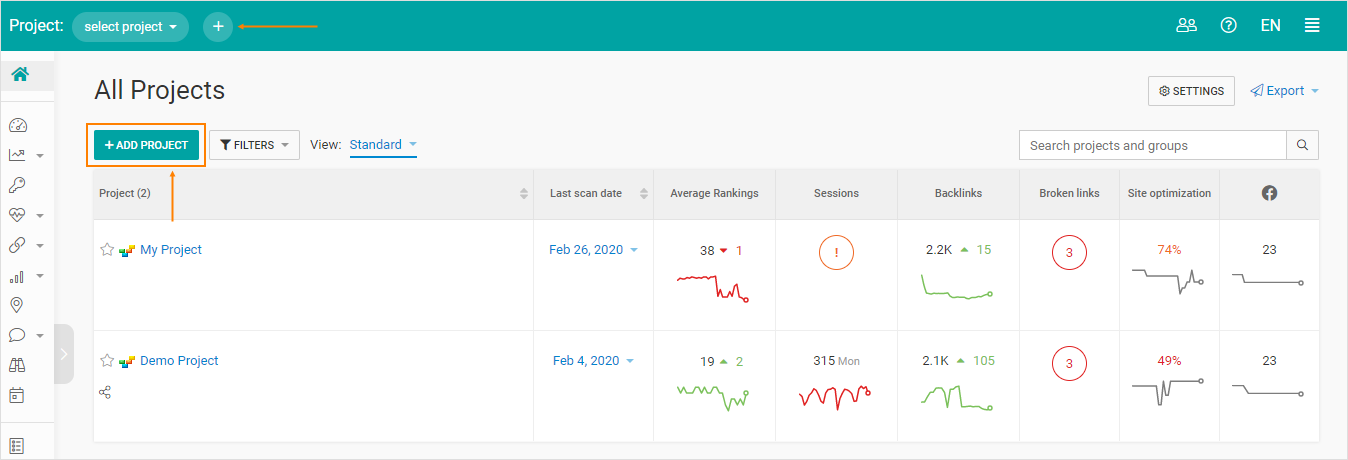
Utilizing tools like the CGM SEO Tool can help in monitoring keyword rankings, website traffic, and user engagement metrics, allowing for continuous adjustments based on real-time data. A/B testing various elements of the landing pages, such as designs, CTAs, and content layouts, will provide insights into what resonates best with local users, thereby fine-tuning the conversion process.
Regular updates to content, particularly as local events or trends evolve, keep the landing pages fresh and relevant to the audience, thereby supporting a lasting impression in the local market. Cultivating a robust internal linking structure that connects local landing pages to other relevant content not only aids in navigation but also enhances overall site architecture and authority, creating a web of context that search engines can easily crawl and index.
To conclude, optimizing local landing pages is not merely a checkbox activity; it is an ongoing, multifaceted campaign that necessitates expertise and a deep understanding of both SEO principles and local market dynamics. By effectively executing these strategies, businesses can expect to see improved local rankings, enhanced online visibility, and ultimately, a more significant conversion rate as they connect meaningfully with their targeted local audience.