Online Marketing Strategy for Machine Shops
In the competitive landscape of machine shops, an effective online marketing strategy is no longer optional; it's essential for survival and growth in an industry marked by rapid technological advancements and evolving customer expectations. As machine shops strive to differentiate themselves from competitors and harness the vast opportunities presented by digital marketing, they must approach their online presence with a meticulously crafted strategy that is both coherent and comprehensive. At the heart of this strategy is an understanding of the unique challenges faced by machine shops, including the need to showcase specialized services, build trust with potential clients, and ultimately drive measurable results that contribute to business objectives.
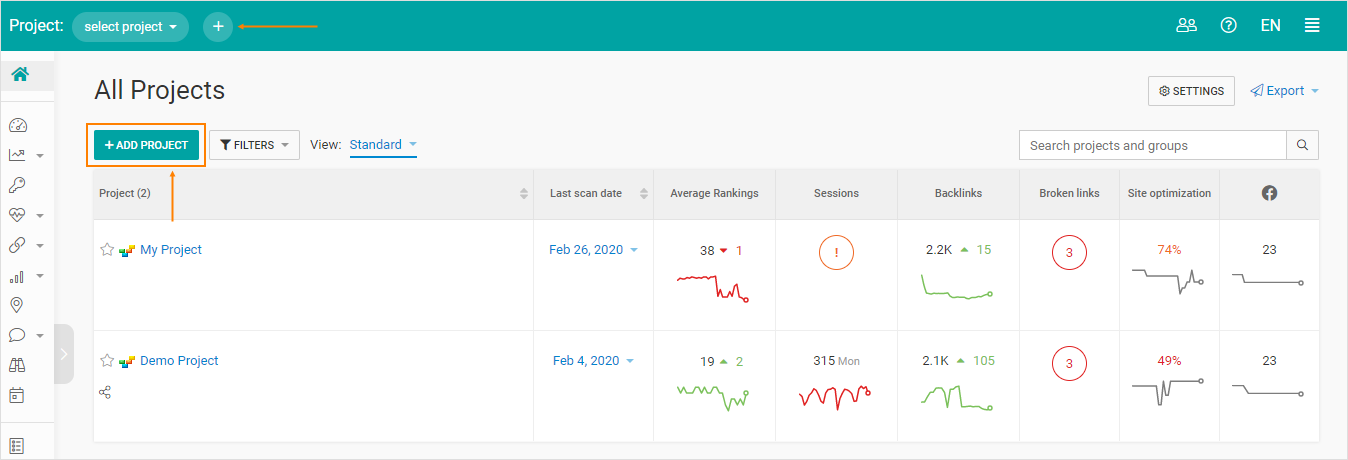
To lay the groundwork for a successful online marketing strategy, machine shops must first establish a strong brand identity that resonates with their target audience, be it other businesses seeking precision parts or manufacturers in need of reliable machining services. This identity should be conveyed through a professional website that serves not only as a digital business card but also as a hub of valuable content showcasing the shop's expertise, capabilities, and unique value propositions. Utilizing CGM SEO Tool will allow machine shops to conduct in-depth keyword research, ensuring that the content crafted targets relevant search terms that prospective clients are actively seeking.
By aligning the website's content with these keywords, machine shops can enhance their visibility in search engine results pages (SERPs), driving organic traffic and attracting potential leads. Beyond individual keywords, it is crucial to understand the broader keyword ecosystem in which machine shops operate; this involves exploring related terms, user intent, and the competitive landscape to position the shop more effectively within its niche. Content marketing becomes a significant component of this strategy, as machine shops can develop blog posts, case studies, and white papers that not only demonstrate technical expertise but also address common pain points faced by their customers, positioning the shop as a go-to resource in the industry.
Additionally, leveraging visual content such as videos and infographics can yield significant engagement, as many potential customers are drawn to visuals that convey complex information in a digestible manner. Social media platforms, particularly LinkedIn, offer machine shops an unparalleled opportunity to connect with professionals in the manufacturing sector, share achievements, and promote content that illustrates their capabilities, thereby fostering relationships that can translate into business opportunities. It is essential to approach social media not merely as a promotional tool, but as a platform for dialogue where machine shops can engage with their audience, respond to inquiries, and highlight customer success stories, building trust and authority in the process.
Email marketing further complements these efforts, enabling machine shops to maintain connections with leads and existing customers through targeted campaigns that offer insights, updates, and promotional offers. Data-driven marketing is crucial in refining these strategies, and utilizing metrics such as website traffic, engagement rates, and conversion rates will provide machine shops with insights to adapt and enhance their approach continually. The role of search engine optimization (SEO) cannot be understated; optimizing on-page elements such as meta tags, descriptions, and header structures for targeted keywords will improve searchability, while off-page efforts such as backlinking can boost domain authority, making it easier for potential clients to discover the shop online.
Collaboration with industry influencers and strategic partnerships with complementary businesses can also amplify reach and credibility, crafting an ecosystem of support within the manufacturing domain. Furthermore, utilizing paid advertising solutions such as Google Ads can create immediate visibility for machine shops aiming to capitalize on high-intent searches, ensuring that the shop appears at critical moments when potential clients are actively seeking services. Remarketing strategies can also be employed to re-engage visitors who may not have converted on their initial visit, providing a second chance to capture invaluable leads.
In analyzing the competition, CGM SEO Tool serves as an indispensable resource for machine shops to uncover insights about rival businesses, including their keyword strategies, content approaches, and backlink profiles, allowing shops to identify opportunities for differentiation and enhancement. By conducting thorough competitor analysis, machine shops can better understand their market positioning and refine their strategies to exploit weaknesses in their competitors' online marketing efforts. Furthermore, staying abreast of industry trends and emerging technologies is fundamental; machine shops must be proactive in adapting their online strategies to incorporate advancements such as automation in marketing or AI-driven insights that can enhance customer targeting and lead generation.
Ultimately, an effective online marketing strategy for machine shops requires a holistic and integrated approach that encompasses branding, SEO, content marketing, social engagement, data analytics, and continuous optimization. By anchoring these components in a structured framework and leveraging CGMIMM's The Marketing Machine, machine shops can ensure that they not only keep pace with the competition but also position themselves as leading authorities in their field, driving lasting growth and profitability in an increasingly digital marketplace.
FAQ
- What is Online Marketing Strategy for Machine Shops?
- In the competitive landscape of machine shops, an effective online marketing strategy is no longer optional; it's essential for survival and growth in an industry marked by rapid technological advancements and evolving c
- Why does this matter for online marketing?
- Because it helps you attract the right audience, increase qualified traffic, and turn visitors into leads or customers more efficiently.
- What are the first steps to get started?
- Define your goal, identify your audience, choose the right channels (SEO, paid ads, email, social), and track conversions with analytics so you can improve over time.
- What are common mistakes to avoid?
- Relying on vanity metrics, targeting keywords/audiences that don't match intent, inconsistent messaging, and not testing or optimizing based on data.
- How do you measure success?
- Track outcomes tied to your goal: leads, sales, signups, calls, bookings, ROI/ROAS, and the conversion rate from each channel.