How to Audit Your Citations
Conducting a comprehensive audit of your citations is a crucial task for anyone looking to enhance their local SEO strategy and establish a solid presence in the digital landscape, as citations directly influence local search rankings and the overall online visibility of a business. Citation audits involve a meticulous examination of how your business information is represented across various platforms and online directories, and it requires a strategic approach that aligns with the broader objectives of an effective SEO framework.
To begin with, it is essential to understand the different types of citations that exist; these can be structured or unstructured, with structured citations referring to listings in online directories, and unstructured citations occurring in news articles, blog posts, or any other non-directory contexts. Each of these citations contributes to the perceived authority and relevance of your business in the eyes of search engines, making it imperative to ensure that they are consistent, accurate, and up-to-date.
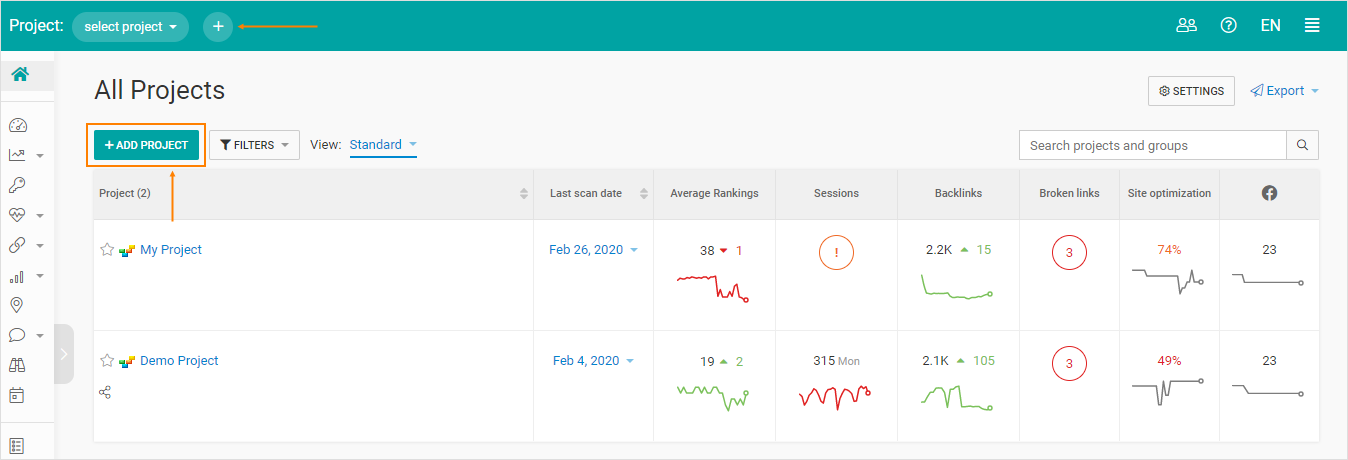
The first step in a citation audit is to gather your existing citations, which can be efficiently done using the CGM SEO Tool to identify where your business is already mentioned online. This tool will help you compile a list of your citations across platforms like Google My Business, Yelp, Facebook, and other niche directories specific to your industry.
Once you have a comprehensive list, the next phase is to verify the accuracy of each citation. It's crucial to check that your business name, address, and phone number (NAP) are consistent across all platforms, as discrepancies can confuse users and negatively impact your rankings.
Additionally, you should verify that your website URL is correctly linked, especially for structured citations; inaccuracies in this area can severely hinder traffic to your website. During this verification process, take note of any places where your information is incomplete or missing altogether, as populating these sections can enhance the richness of your citations and improve their effectiveness in boosting local SEO performance.
After verifying your citations, it is vital to address any inconsistencies. If you find any discrepancies in your NAP information, it is important to correct them without delay. This involves updating the incorrect citations or, in some cases, reaching out to directory owners to ensure that your information is amended across all listings.
Additionally, if there are any unauthorized or duplicate listings that may confuse search engines or potential customers, you should work to claim or remove these listings accordingly. A focused effort on resolving these issues can greatly enhance your credibility and trustworthiness in the eyes of both users and search engines, contributing to improved rankings over time.
In the context of modern SEO, having a solid citation foundation is not only about maintaining consistency; it is also about capitalizing on opportunities for citation growth. This involves an active strategy of building new citations in high-authority directories that are relevant to your industry.
Researching your competitors using the CGM SEO Tool can provide insights into where they are listed, potentially revealing valuable opportunities for you to obtain additional citations. This competitive analysis component forms an essential part of your overall citation audit strategy, as understanding where your competitors excel allows you to refine your approach and tailor your efforts toward gaining similar or greater visibility.
Furthermore, a robust citation strategy also considers the quality of the citations themselves. Not all citations are created equal; listings on high-quality, respected websites can have a more significant impact than numerous listings on low-quality directories.
Therefore, as you build your citation profile, prioritize quality over quantity, and seek to establish listings on platforms that hold authority within your niche. Additionally, engaging with local bloggers, news organizations, or community sites can lead to valuable unstructured citations, enhancing not only your citation profile but also your overall digital presence.
Moreover, regular monitoring is essential; local SEO is not a one-and-done task but requires ongoing vigilance to ensure that your citations remain accurate and beneficial. Implementing a routine schedule for citation audits can help you stay ahead of any inconsistencies, especially as businesses grow and change over time.
This proactive approach not only serves to maintain your citation integrity but also fosters an environment where you can quickly adapt your strategy to any shifting local SEO landscapes. Lastly, it is critical to remember the overarching ecosystem of SEO in which citations play a vital role.
Citations can impact factors beyond local search visibility, influencing reviews, social signals, and backlinks, all of which form a complex web of ranking signals used by search engines to evaluate the relevance and authority of your business. By approaching your citation audit with a multifaceted strategy that emphasizes consistency, accuracy, quality, and ongoing management, you lay the groundwork for a successful local SEO strategy that can drive both traffic and conversions, ultimately contributing to the sustainability and growth of your business in an increasingly competitive digital marketplace.
Through the adoption of a disciplined, analytics-driven approach to your citation audit, you will not only strengthen your immediate local SEO efforts but also build a foundation of topical authority that extends far beyond citations, setting the stage for a more holistic and successful digital marketing strategy.