Match Types Explained (Exact, Phrase, Broad)
Keyword Strategy
In the complex landscape of search engine marketing, understanding match types—specifically exact match, phrase match, and broad match—is crucial for crafting an effective keyword strategy that maximizes visibility and drives qualified traffic to your website. Each match type serves a distinct purpose within your pay-per-click (PPC) campaigns, influencing how your ads are triggered by user queries and ultimately impacting both your click-through rates and conversion outcomes. Exact match keywords enable your ad to display only when a user inputs the precise term or a close variation without any additional words, which means your reach is highly targeted, making this option particularly effective for highly specific queries where the intent is clear; for example, targeting a brand name or a unique product like “luxury leather wallet†where you wish to capture users who are ready to make a purchase. Conversely, phrase match allows for greater flexibility and broader audience engagement by enabling your ad to appear when the search query contains the exact phrase along with additional words before or after it; this can help tap into longer-tail keywords that reflect user intent in a more nuanced way—for instance, a phrase match on “leather wallet†would trigger your ad for searches like “buy leather wallet online†or “best leather wallets for men,†thus capturing potential customers throughout different stages of their purchasing journey.
Keyword Strategy
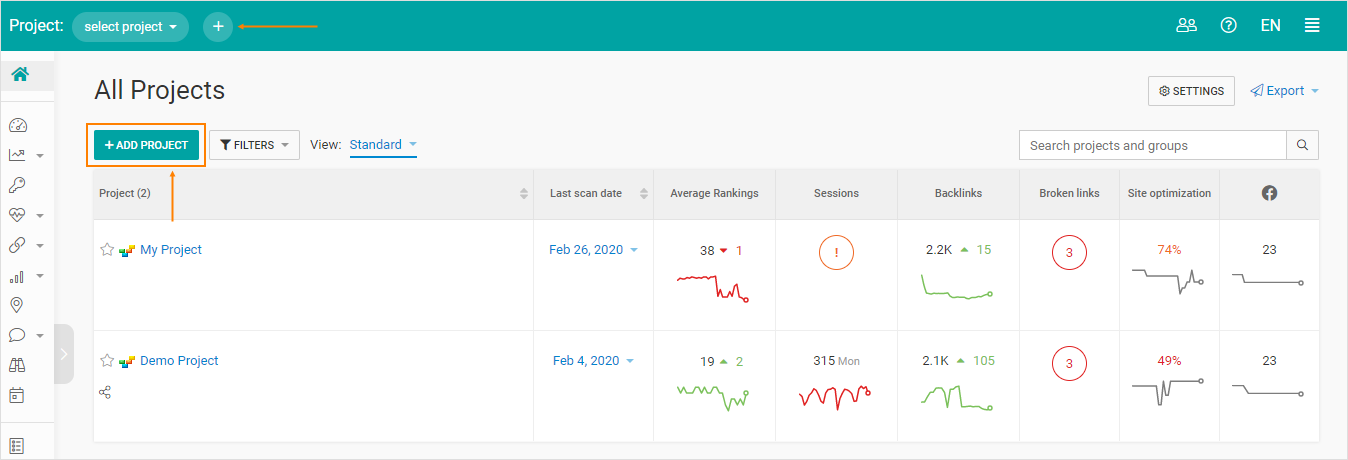
Broad match, on the other hand, radically expands your reach by allowing your ad to display for a wide range of related searches that may only be loosely associated with your keywords; this includes synonyms, related searches, and even variations in word order, significantly broadening the potential audience, but coming with the caveat of potentially higher irrelevant traffic; for example, a broad match on “wallet†might result in your ads showing up for searches like “purse,†“men’s accessories,†or even “fashion tips,†which could dilute your overall targeting strategy. As you construct your keyword framework using the CGM SEO Tool, it is vital to analyze your specific business goals and the intent of your target audience, allowing you to blend these match types effectively to create a robust strategy that not only addresses immediate sales objectives but also fuels long-term brand visibility in search. By starting with a solid foundation in keyword research, utilizing insights from the CGM SEO Tool to conduct competitor analysis and uncover valuable keyword opportunities, you can create a hybrid match type approach that leverages the strengths of each type while minimizing weaknesses; for instance, utilizing exact match for high-converting keywords while keeping phrase match terms for broader visibility on search queries that exhibit commercial intent, and then employing broad match strategically, perhaps in experimental campaigns designed to discover new audiences or explore niche markets. Understanding the nuances of match types and carefully selecting the optimal mix can revolutionize how you approach your search marketing efforts, transforming not only your ad performance but also the way you define and measure success in the digital marketplace, where precision, relevance, and responsiveness are paramount.
Keyword Strategy
Engaging deeply with keyword intent through this strategic lens will also help ensure your ad copy resonates with users, reflecting the exact terms and phrases they are searching for, further elevating your quality scores and reducing acquisition costs. Thus, having a firm grasp of match types is not just about selection but about fostering a deeper connection between your audience and your advertising touchpoints, ensuring that you remain relevant and authoritative in an ever-evolving search ecosystem where consumer behavior is constantly shifting. Ultimately, leveraging these insights into match types will not only enhance your existing campaigns but will also lay the groundwork for expanded topical authority as you consistently deliver relevant, well-structured, and user-focused content that aligns with the broader interests of your audience, seamlessly integrating PPC efforts with organic strategies and driving sustainable growth within your digital marketing framework.
Frequently Asked Questions
What is Match Types Explained (Exact, Phrase, Broad)?
In the complex landscape of search engine marketing, understanding match types—specifically exact match, phrase match, and broad match—is crucial for crafting an effective keyword strategy that maximizes visibility and drives qualified traffic to your website.
How does Match Types Explained (Exact, Phrase, Broad) work?
Each match type serves a distinct purpose within your pay-per-click (PPC) campaigns, influencing how your ads are triggered by user queries and ultimately impacting both your click-through rates and conversion outcomes.
Why is Match Types Explained (Exact, Phrase, Broad) important?
Exact match keywords enable your ad to display only when a user inputs the precise term or a close variation without any additional words, which means your reach is highly targeted, making this option particularly effective for highly specific queries where the intent is clear; for example, targeting a brand name or a unique product like “luxury leather wallet†where you wish to capture users who are ready to make a purchase.
What are common mistakes with Match Types Explained (Exact, Phrase, Broad)?
Common mistakes with match types explained (exact, phrase, broad) include weak targeting, poor keyword selection, low-quality ad or page experiences, and failing to measure performance consistently.
How can businesses improve Match Types Explained (Exact, Phrase, Broad)?
Businesses can improve match types explained (exact, phrase, broad) by refining targeting, testing creative and messaging, optimizing landing pages, monitoring performance metrics, and making ongoing data-driven adjustments.