How to Do Local Keyword Research
Conducting local keyword research is an essential component of a robust local SEO strategy, which directly influences your visibility in local search results and ultimately determines your ability to attract and engage with customers within your geographical area. The process begins with a clear understanding of your business objectives and the specific local market dynamics that you are operating within; this foundational knowledge enables you to tailor your keyword research efforts to align with both the search behaviors of your target audience and the unique attributes of your location.
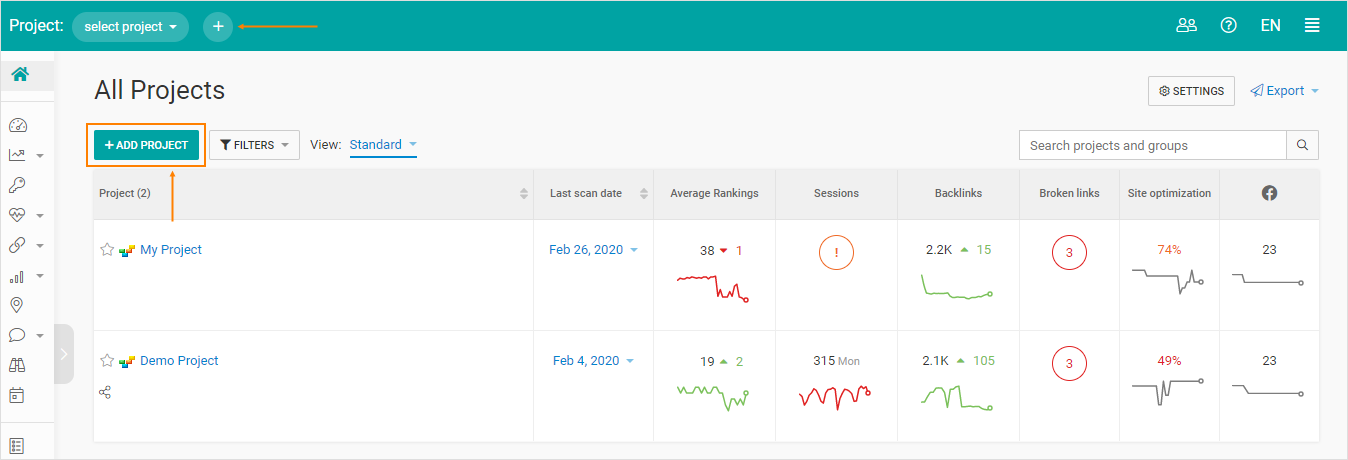
To get started, you can utilize the CGM SEO Tool, which provides valuable insights into keyword volumes, competition levels, and trends specific to your local context, offering an efficient way to gather data that informs your strategic direction. The first step in local keyword research involves brainstorming potential keywords that relate to your industry and align with the products or services you offer.
This includes thinking about the broad terms that describe your offerings, but it must also consider local modifiers such as city names, neighborhoods, and regional slang that are commonly used by consumers in your area. It's crucial to develop a thorough understanding of what makes your local customer base unique, which can be achieved through audience analysis techniques, including conducting surveys or utilizing social media insights.
Once you've compiled an initial list of relevant keywords, you should use the CGM SEO Tool to verify their search volumes and competitiveness, allowing you to identify which keywords represent the best opportunities for visibility and engagement. Pay close attention to long-tail keywords, as these often have lower competition and higher conversion rates, particularly in local searches where users have specific intent and a clear geographical focus.
Additionally, leveraging Google's "People Also Ask" and "Related Searches" features can help you uncover further keyword variations and questions that are frequently posed by searchers in your area, enriching your keyword arsenal and allowing you to capture a broader range of search intent. Integrating local modifiers into your keywords is essential; consider using phrases such as "near me," "closest," or specific local landmarks that your target customers may use in their searches.
This not only increases the relevance of your keywords but also enhances their localization, making them more attractive for your local SEO efforts. Another critical component of local keyword research is evaluating the online presence of your competitors.
By analyzing the keywords that your local competitors are targeting, you can identify gaps in your keyword strategy and uncover potential areas for differentiation. The CGM SEO Tool allows you to conduct competitor analysis to understand which keywords are driving traffic to their sites and how you can position your offerings to meet or exceed those expectations.
It's vital to categorize your keywords into clusters based on search intent to better align your content creation efforts; for example, you might group keywords related to informational searches separately from those that indicate a strong intent to purchase. As you categorize, consider creating buyer personas to help guide your content strategy and ensure that you are addressing the specific needs and questions of your audience.
With your refined list of local keywords, the next step is to create locally optimized content that naturally integrates these keywords in a way that provides value without compromising readability or user experience. This includes your website's title tags, meta descriptions, header tags, and body content; ensure that local keywords are seamlessly woven into your on-page SEO elements, including location-specific landing pages designed to capture targeted traffic.
Don't forget to optimize your Google My Business listing, as it holds a pivotal role in local SEO; ensure that it is fully completed with accurate business information, local keywords, and engaging images that reflect your brand and offerings. Engage with your audience through reviews and posts, as these interactions not only enhance your local reputation but also provide more opportunities to embed local keyword variations.
Moreover, consider deploying structured data markup to help search engines better visualize your content and its relevance to local search queries; implementing schema markup for local businesses can significantly improve your chances of appearing in enhanced search results, such as local packs and knowledge panels. To build upon your local keyword foundation, continuously monitor your keyword performance over time through tools like the CGM SEO Tool, making adjustments as necessary based on keyword rankings and changes in search behavior or market conditions.
Local keyword trends can shift, and understanding when to pivot or adjust your strategy is vital to maintaining competitive advantage and relevance in your local market. By conducting regular audits of your keyword strategy to evaluate its performance against your goals and making iterative improvements based on data-driven insights, you can solidify your authority in local search and establish a commanding presence that ultimately drives foot traffic and online conversions.
In summary, local keyword research is a dynamic and ongoing process that requires a comprehensive understanding of your market, a commitment to cultivating local relevance, and a strategic approach to optimizing your digital presence for the keywords that matter most to your target audience. By leveraging the CGM SEO Tool effectively, focusing on local search intent, and continually refining your strategy based on performance metrics, you can achieve long-lasting results that enhance your local visibility, ultimately leading to increased engagement and business growth.