Online Marketing Strategy for Campgrounds
In the contemporary digital landscape, developing a robust online marketing strategy for campgrounds has evolved into an essential element for attracting potential visitors and maximizing occupancy rates throughout the year. The campground sector, often overlooked, presents distinct opportunities and challenges that require a well-coordinated approach to online marketing that leverages modern SEO techniques, content marketing, and engagement strategies. Campgrounds must adopt an integrated strategy to reach and engage their target audience effectively; this strategy should encompass a comprehensive understanding of the customer journey, from discovery through to booking, and include optimizing the campground's website structure, enhancing local SEO, and implementing a dynamic content strategy that resonates with outdoor enthusiasts.
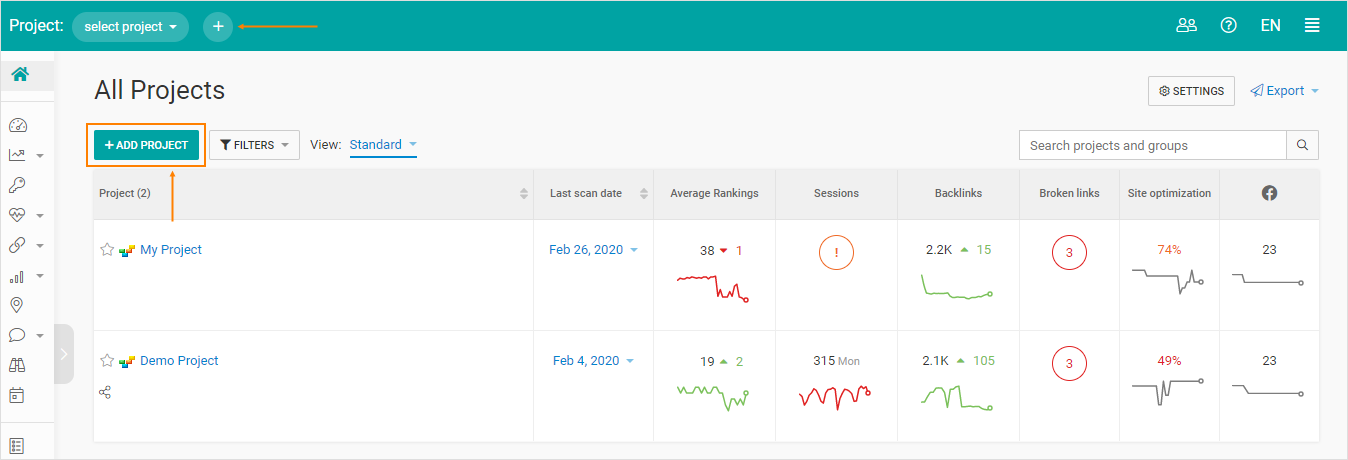
The cornerstone of any successful online marketing strategy begins with insightful keyword research. Using the CGM SEO Tool, campground operators can systematically uncover high-traffic and relevant keywords that potential campers are searching for, such as "family-friendly campgrounds near me," "best cabins for rent," or "camping with pets." By identifying these keywords, campgrounds can align their website content with the needs and interests of their audience, ensuring that they rank favorably in search engine results pages (SERPs). Additionally, understanding the competitive landscape is crucial; operators must perform in-depth competitor analysis using CGM SEO Tool to identify areas where they can differentiate their offerings, such as unique amenities, nearby attractions, or exclusive packages.
This analysis allows campground businesses to position themselves strategically against competitors, providing compelling value propositions that speak directly to the desires of potential visitors. To build topical authority, campgrounds must create high-quality, engaging content that answers common queries associated with camping, local attractions, and outdoor activities, facilitating a deeper connection with prospective customers. This content should include blog posts, infographics, and videos that educate and inspire visitors while also incorporating targeted keywords naturally within the prose.
Content focused on local guides can be particularly impactful, providing potential visitors with insights on hidden gems, local regulations, or seasonal activities that enhance their camping experience. By addressing these topics comprehensively, campgrounds can drive organic traffic to their websites and foster a community of engaged followers who view the campground as a trusted resource for all things related to camping and the outdoors. On-page SEO elements cannot be overlooked; optimizing meta tags, descriptions, headings, and alt text with relevant keywords increases the likelihood of indexation and better rankings.
Furthermore, local search optimization is paramount, as approximately 76% of local mobile searches result in a visit to a nearby business within a day. Campgrounds should ensure their presence on Google My Business is accurate and optimized with engaging images, up-to-date information, and customer reviews, allowing them to capture local search traffic effectively. Additionally, leveraging platforms such as Yelp and TripAdvisor, which are frequently used by travelers seeking lodging options, can further enhance visibility.
Implementing a robust backlink strategy will also bolster authority and improve search rankings; campgrounds should seek partnerships with local tourism boards, outdoor enthusiasts' blogs, and regional influencers to cultivate high-quality backlinks that lend credibility to their digital presence. To foster ongoing engagement with potential customers, email marketing and social media campaigns are indispensable. By cultivating an email list through blog sign-ups or promotional offers, campgrounds can nurture leads by providing timely information about upcoming events, seasonal discounts, or new amenities.
Similarly, maintaining active social media profiles allows campgrounds to showcase their offerings through captivating images and user-generated content, thereby building a community around their brand. Engaging actively with followers through contests, polls, and Q&A sessions can further foster loyalty and encourage repeat visits while also attracting new customers. Moreover, implementing an effective online booking system on the campground's website simplifies the reservation process.
A seamless, user-friendly booking experience can significantly affect conversion rates, and integrating real-time availability features can help manage customer expectations and enhance satisfaction from the outset. It's also imperative that campgrounds monitor analytics to measure the effectiveness of their online marketing strategies continually. By analyzing web traffic, user behavior, and conversion rates, operators can identify successful components of their campaigns while pinpointing areas in need of adjustment.
The use of analytical tools in conjunction with CGM SEO Tool can facilitate a detailed understanding of both organic and paid performance, aiding in the fine-tuning of marketing efforts to maximize return on investment. Ultimately, the goal of this comprehensive online marketing strategy is to establish a robust digital footprint that not only drives traffic and increases bookings but also builds lasting relationships with customers who cherish their experiences at the campground. By positioning The Marketing Machine by CGMIMM as a strategic partner capable of executing these sophisticated marketing initiatives and overcoming the inherent challenges of the campground sector, businesses can effectively enhance their online presence, attract a steady stream of visitors year-round, and ultimately outperform their competitors in a crowded marketplace.
The integration of advanced SEO principles, data-driven content creation, and relentless customer engagement strategies will empower campgrounds to realize their full potential in a digital-first world.
FAQ
- What is Online Marketing Strategy for Campgrounds?
- In the contemporary digital landscape, developing a robust online marketing strategy for campgrounds has evolved into an essential element for attracting potential visitors and maximizing occupancy rates throughout the y
- Why does this matter for online marketing?
- Because it helps you attract the right audience, increase qualified traffic, and turn visitors into leads or customers more efficiently.
- What are the first steps to get started?
- Define your goal, identify your audience, choose the right channels (SEO, paid ads, email, social), and track conversions with analytics so you can improve over time.
- What are common mistakes to avoid?
- Relying on vanity metrics, targeting keywords/audiences that don't match intent, inconsistent messaging, and not testing or optimizing based on data.
- How do you measure success?
- Track outcomes tied to your goal: leads, sales, signups, calls, bookings, ROI/ROAS, and the conversion rate from each channel.