SEM vs SEO vs PPC
Key Differences
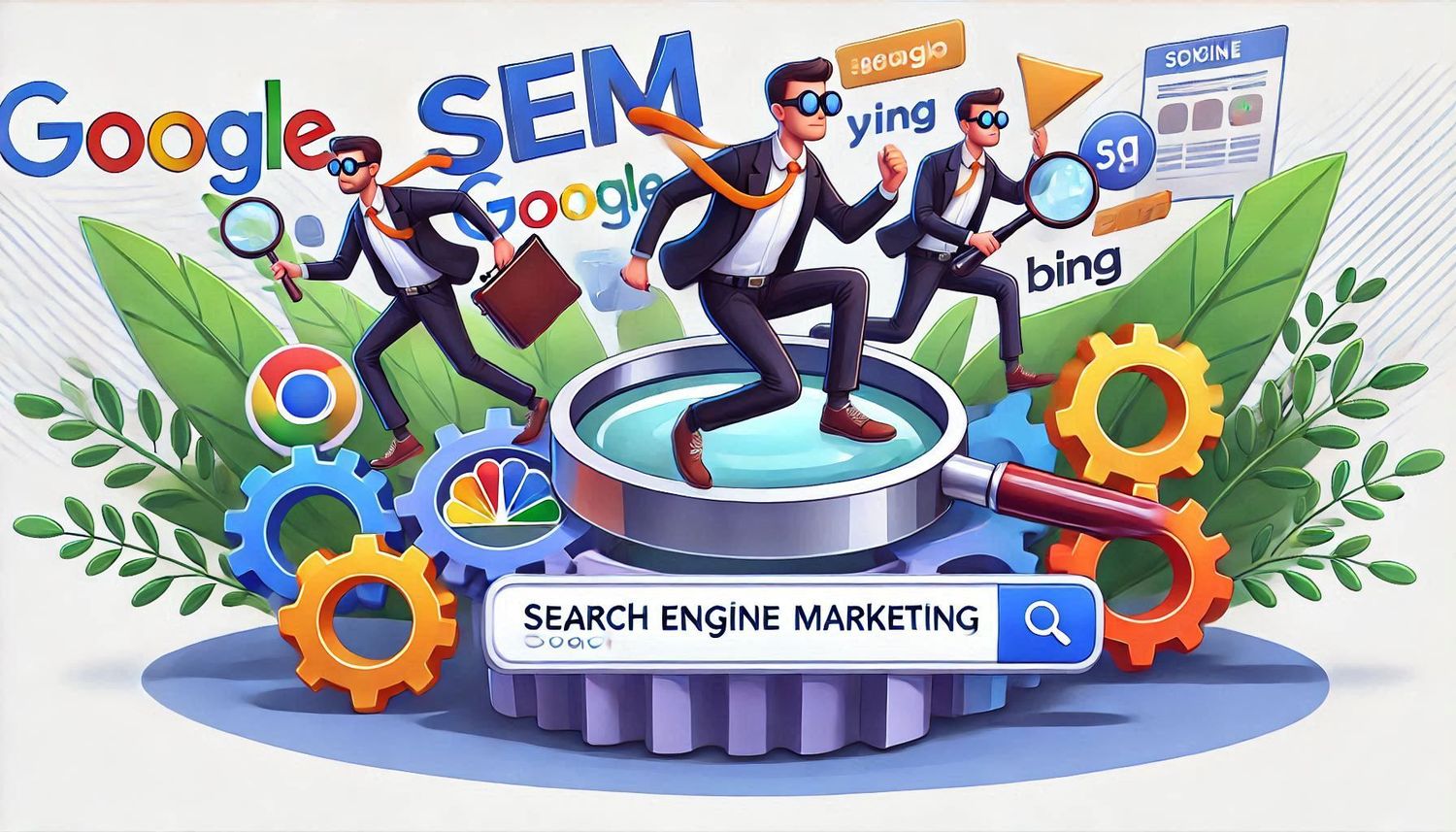
In the landscape of digital marketing, understanding the distinctions and synergies between Search Engine Marketing (SEM), Search Engine Optimization (SEO), and Pay-Per-Click (PPC) advertising is critical for crafting a comprehensive and impactful online strategy. Although often used interchangeably, these three components serve unique roles within the broader spectrum of search visibility and online advertising. SEM encompasses the entire scope of marketing activities aimed at enhancing visibility in search engine results pages (SERPs) through both organic and paid channels, representing the umbrella under which SEO and PPC reside. SEO, on the other hand, is the methodical and strategic practice of optimizing website content, structure, and technical elements to improve organic search rankings on search engines.
When Each Option Makes Sense
By focusing on the cultivation of high-quality content, effective keyword integration, and the enhancement of user experience, SEO establishes a foundation for acquiring organic traffic that is sustainable over time; this includes employing advanced techniques to build topical authority and leveraging comprehensive keyword research through the CGM SEO Tool, which provides insights into search intent and competitor positioning to inform an effective content strategy. In contrast, PPC is a paid advertising model in which marketers bid on keywords to display ads within search results or on partner websites, and it allows for immediate visibility, potentially generating instant traffic to a site, though it requires ongoing investment and management. Given that PPC campaigns can be fine-tuned based on performance metrics and budget constraints, they are often used in tandem with SEO efforts to create a balanced and responsive approach to both short-term gains and long-term search presence. While SEO requires patience and a commitment to continuous content optimization, PPC enables brands to dominate the conversation for specific keywords with precision, leading to higher click-through rates and returns on investment if managed effectively.
Choosing the Right Strategy
To design a synergistic strategy, marketers must consider their overarching business goals, budgets, and timeframes; this includes establishing targeted keyword clusters through tools like the CGM SEO Tool, which aids in understanding the keyword ecosystems vital for both organic and paid search strategies. By examining the various metrics that inform success across these channels—such as Cost Per Click (CPC) for PPC and organic rankings for SEO—businesses can identify areas of overlap and potential for integrated campaigns that capitalize on the strengths of each approach. Furthermore, strategizing around user behavior, such as understanding search intent and the customer journey, allows for the optimization of both PPC ad copy and the organic content that supports SEO objectives, ultimately enhancing user engagement and conversion rates. One of the critical aspects to manage is the timing and orchestration of these tactics; during phases of lower organic visibility, brands may rely more heavily on PPC to capture leads, whereas as organic rankings strengthen through consistent SEO efforts, the dependency on PPC can be adjusted accordingly.
Choosing the Right Strategy
In addition, the distinction between short-tail and long-tail keywords becomes even more pronounced in this context; while PPC campaigns typically harness short-tail keywords to capture a wide audience, SEO strategies often benefit from targeting long-tail keywords that indicate specific user intent and are less competitive, enabling better organic positioning. Moreover, seasonal trends and market fluctuations necessitate flexibility in approach, requiring continuous tracking of both market activity and competitive performance through the CGM SEO Tool to adjust strategies in real-time. As businesses evolve, so too should their understanding of the interdependencies between SEM, SEO, and PPC, fostering a collaborative mindset among marketing teams to address common goals while respecting the unique methodologies of each channel. Continuous education and adaptation, where marketers remain vigilant of algorithm changes, industry shifts, and emerging technologies, solidify the imperative to embrace a holistic digital marketing strategy.
Choosing the Right Strategy
In conclusion, while SEM, SEO, and PPC all play integral roles within the fabric of online visibility, their unique principles and operational frameworks necessitate an informed, strategic approach that not only recognizes their individual merits but also champions an interconnected methodology, creating a powerful digital ecosystem aimed at achieving both instantaneous and sustainable business growth.
Frequently Asked Questions
What is SEM vs SEO vs PPC?
In the landscape of digital marketing, understanding the distinctions and synergies between Search Engine Marketing (SEM), Search Engine Optimization (SEO), and Pay-Per-Click (PPC) advertising is critical for crafting a comprehensive and impactful online strategy.
How does SEM vs SEO vs PPC work?
Although often used interchangeably, these three components serve unique roles within the broader spectrum of search visibility and online advertising.
Why is SEM vs SEO vs PPC important?
SEM encompasses the entire scope of marketing activities aimed at enhancing visibility in search engine results pages (SERPs) through both organic and paid channels, representing the umbrella under which SEO and PPC reside.
What are common mistakes with SEM vs SEO vs PPC?
Common mistakes with sem vs seo vs ppc include weak targeting, poor keyword selection, low-quality ad or page experiences, and failing to measure performance consistently.
How can businesses improve SEM vs SEO vs PPC?
Businesses can improve sem vs seo vs ppc by refining targeting, testing creative and messaging, optimizing landing pages, monitoring performance metrics, and making ongoing data-driven adjustments.