How to Rank Outside Your Physical Location
Ranking outside your physical location requires a nuanced understanding of both local and national SEO strategies, as well as a commitment to building digital authority that exceeds geographical boundaries. First and foremost, it's essential to recognize the role of localized content in establishing relevance for broader audiences.
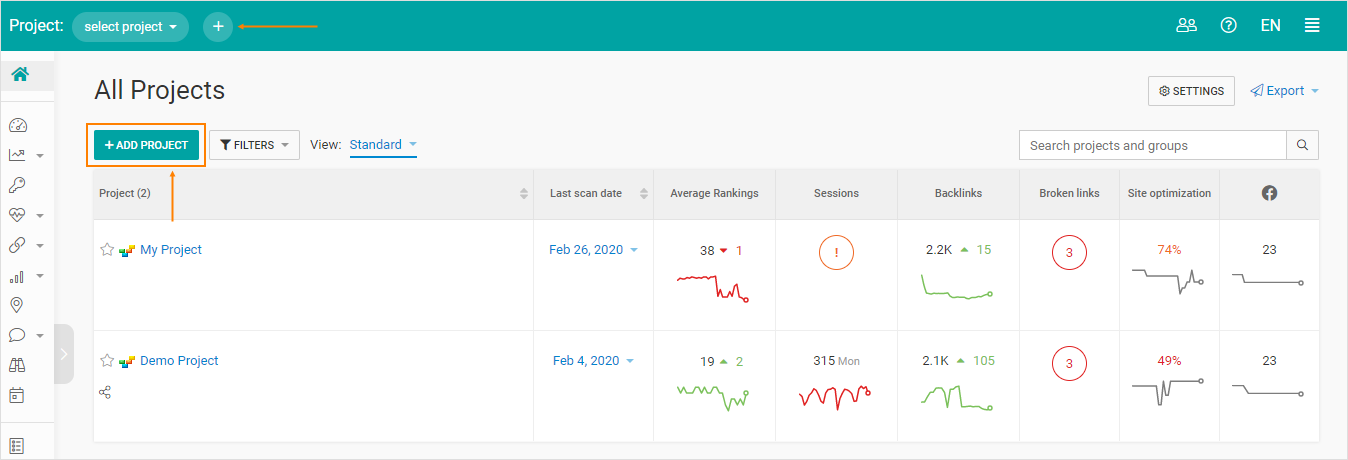
While many businesses focus on optimizing their websites for localized search queries, those aiming to reach audiences outside their immediate vicinity need to expand their content strategy to include topics that resonate with a larger audience base. This begins with keyword research, where utilizing tools like CGM SEO Tool can help identify high-volume, relevant keywords that align with the interests of your target demographics, irrespective of their location.
By performing thorough competitor analysis, you can uncover content gaps and potential opportunities in the market, allowing you to craft unique, valuable content that addresses these needs, thus enhancing your topical authority. Additionally, creating a network of backlinks from high-authority sites that are relevant to your business niche can significantly bolster your site's trustworthiness in the eyes of search engines.
This implies not just local link-building activities but also forging relationships and partnerships with influencers, bloggers, and other organizations that have an audience outside your immediate geographic area. Moreover, optimizing your on-page SEO factors is critical; ensure that your meta descriptions, title tags, and content include identified keywords while also being engaging and naturally written to improve click-through rates, leading to lower bounce rates and higher dwell times, which are positive signals to search engines.
Utilizing schemas, particularly those that are relevant to your business offerings, can enhance search visibility and improve the way search engines interpret your content, thereby allowing users to understand your business without necessarily having a geographical tie to your location. Furthermore, geographic targeting can be adjusted within Google Search Console to signal to Google that you wish to rank for queries outside your immediate vicinity, which can take time and may require consistent effort in content creation and link building.
Consider also leveraging social media platforms as channels for engaging with broader audiences, sharing your content, and acquiring followers who might not be located in your geographic area but have a keen interest in your industry. This will provide additional user engagement signals that can enhance rankings and brand awareness.
Content diversification plays a vital role as well-producing articles, videos, infographics, and podcasts that address broader questions and topics within your industry not only captures a wider audience but can also lead to organic link acquisition through shares and recommendations. Moreover, understanding user intent and crafting content that satisfies not just immediate transactional needs but also informational queries can position your site as an authoritative resource, leading visitors to choose your services regardless of your geographical constraints.
Remember that the importance of technical SEO cannot be understated; ensure that your website boasts excellent page speed, mobile responsiveness, and a clean, crawlable architecture which are factors that influence overall site rankings, allowing you to gain higher visibility even outside your physical location.
Strategically approaching content promotion through partnerships, online advertising, and retargeting campaigns can also ensure that your content reaches users beyond local boundaries, establishing a presence in various online ecosystems. Exploring international SEO practices, such as implementing hreflang tags for multilingual content or localized versions for diverse markets, becomes pertinent if you seek to engage audiences in different countries and languages.
As you build a reputation and an authoritative voice within your niche through consistently high-quality content and strategic influence, your site will gradually start to rank for a broader set of keywords. Engage in community building by contributing to forums, answering questions on platforms like Quora or Reddit, and participating in webinars or podcasts which can also lead to organic mentions and shares that enhance visibility and authority.
Continuous monitoring of performance metrics through analytics tools remains crucial; by evaluating which content is driving traffic and conversions across different regions, you can pivot and optimize your strategy to better meet the demands and interests of your growing audience base. As you evaluate data, focus on factors such as user engagement and geographic demographics to refine your content and targeting strategies effectively.
Ultimately, a robust SEO strategy that aims to rank outside your physical location hinges on a comprehensive approach that melds advanced keyword research, authoritative content creation, and strategic promotion, all of which should be executed with the intent of delivering value to your audience while aligning with broader search behavior trends. As you work on establishing a digital presence that outgrows geographic limitations, the key will lie in persisting with market analysis, audience engagement, and producing topical content that speaks directly to what users are searching for across diverse market segments.
The culmination of these efforts will not only enhance your site's visibility but also reinforce your brand's position as a leader within your industry, effectively allowing you to transcend conventional location-based limitations in digital marketing.